
Food Importers Directory Africa: How to Find and Verify Buyers for Your Produce
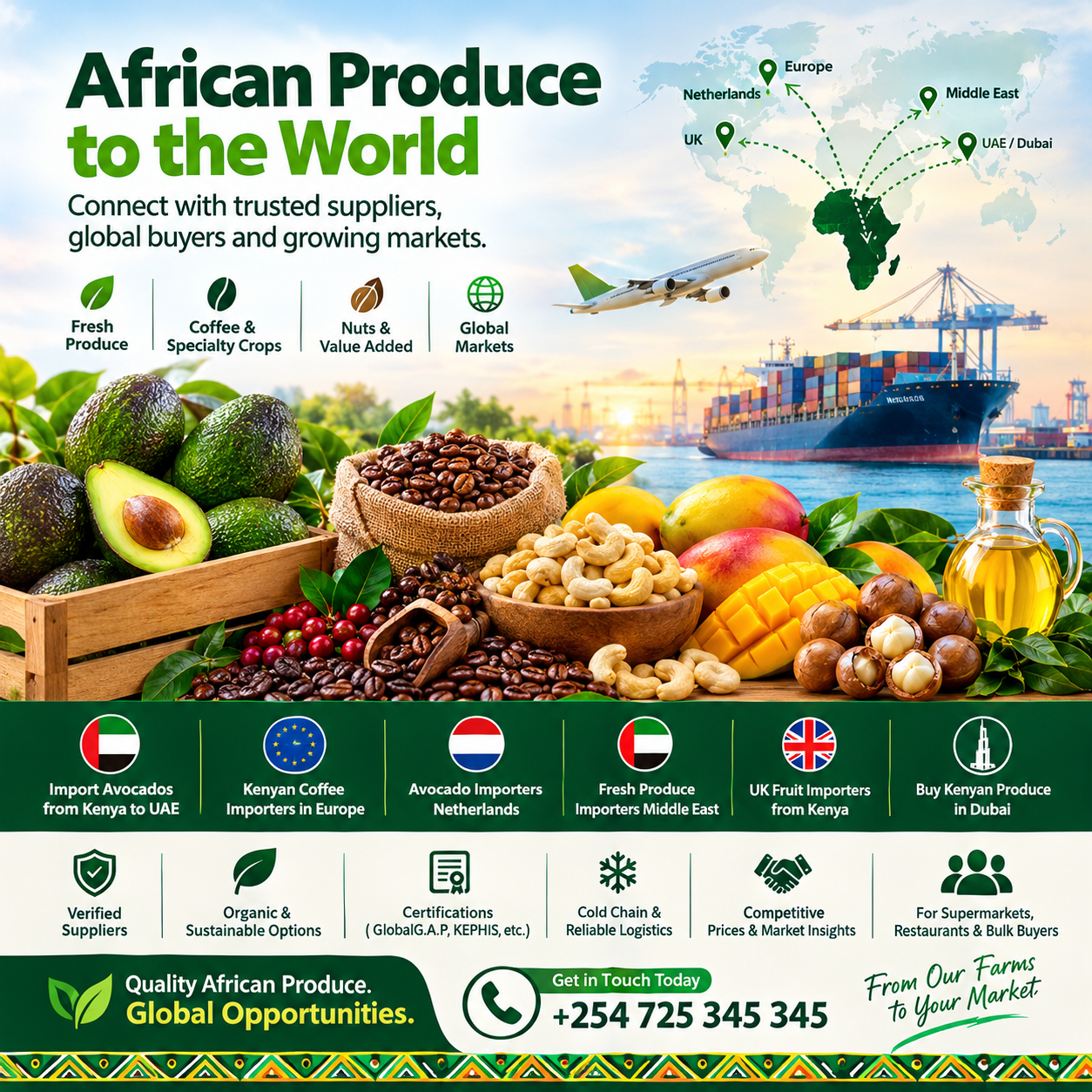
A food importers directory Africa search is usually the moment an African producer decides to stop waiting for buyers and start finding them. Every exporter — from a Kenyan avocado trader to a Ghanaian cocoa cooperative to a Tanzanian sesame aggregator — eventually faces the same question: where exactly are the buyers, and how do I reach the real ones? The honest answer is that no single directory answers it alone, and this guide explains why — and then shows you how to build a working, verified directory of your own.
The market is full of lists that don’t work. Outdated PDFs, paid listings with no verification, WhatsApp forwards of expired contacts, and directories of businesses that stopped importing years ago. Knowing how to evaluate every food importers directory Africa offers — and how to verify the names inside it — is the skill that separates exporters who trade from exporters who collect contacts.
This guide is the complete practical playbook. We cover what a directory is for, the types of buyers you’ll find, the directories and platforms that actually work, and the verification process that turns names into trade. We also cover building your own living directory, approaching buyers professionally, and the red flags that protect you from the fraudsters who cluster around this exact question.
One honest note before we begin. Platforms, registries, and programs evolve constantly, so verify every source and every buyer before you ship anything — that verification habit is the core lesson of this entire guide, and it applies to every food importers directory Africa you will ever use.
What a Directory Is For — and What It Isn’t
A directory is a starting point, not a strategy. Names and contacts open doors; contracts and consignments come from everything that follows — verification, specifications, samples, and relationships. Exporters who treat any food importers directory Africa as a first step build real trade; those who treat it as a finish line collect unopened email threads.
Directories also age faster than most people expect. Food import businesses open, close, merge, and pivot every season, and a listing that was accurate last year may be dead today. That decay rate is why professional exporters refresh their food importers directory Africa continuously rather than downloading one once.
The directory’s real value is the map it gives you. Buyer names by country, by product, and by scale let you target your approach rather than spray it. That targeting intelligence is what converts a food importers directory Africa from a list into a pipeline.
The Buyer Types You’ll Find Listed
Type one is the fresh produce importers. These are the traders and distributors bringing avocados, beans, mangoes, and vegetables into Europe, the Gulf, and Asia — the buyers covered in depth across our trade guides to the UK and Middle East markets. They dominate most food importers directory Africa listings for horticulture.
Type two is the commodity and ingredient buyers. Coffee roasters, cocoa processors, and food manufacturers import African raw materials at industrial scale — the categories covered in our bulk buyers and coffee guides. They search directories differently, prioritizing certifications and volumes over retail presentation.
Type three is the retail and wholesale importers. Supermarket import programs, ethnic food wholesalers, and regional distributors buy packaged and semi-processed African foods — the channel growing fastest across the diaspora markets. That segment is the emerging layer of many food importers directory Africa resources.
Type four is the institutional buyers. Humanitarian agencies, school-feeding programs, and government procurement bodies purchase African commodities at scale — the least visible but most significant segment in the bulk buyers landscape covered in our earlier guide.
The Directories and Sources That Actually Work
Source one is the official trade registries. Destination-country import registries, chamber-of-commerce listings, and national food-authority registers identify businesses legally licensed to import food — the highest-quality tier of any food importers directory Africa.
Source two is the trade promotion databases. Institutions like ITC and national export promotion agencies maintain verified buyer databases specifically connecting African exporters to international markets. Those curated sources are the most credible starting point for any food importers directory Africa effort.
Source three is the B2B platforms. Global food-trade marketplaces and industry platforms host thousands of active buyer profiles with verification layers, ratings, and trade histories. Using them professionally — with complete company profiles and certifications visible — is the digital foundation of a modern food importers directory Africa strategy.
Source four is the trade fairs and events. Anuga, Gulfood, SIAL, and the specialty food shows gather thousands of importers in one place — and the contact lists you build there outperform any static directory. That live channel is the highest-conversion source feeding your personal food importers directory Africa.
Source five is the industry associations and chambers. Produce importer associations, coffee trade federations, and bilateral chambers of commerce maintain member directories and broker introductions. Those institutional networks are the relationship layer around any food importers directory Africa.
Verifying Buyers: The Step That Saves Fortunes
Verification step one is legal existence. Confirm company registration through official registries in the buyer’s country — a business that cannot be found cannot be trusted. That registry check is the first screen applied to every name in any food importers directory Africa.
Verification step two is import capability. Legitimate food importers hold licenses, track records, and references — and they can name the products they import and the markets they serve. Asking for those details is standard practice among exporters who survive the food importers directory Africa filtering process.
Verification step three is payment history. Bank references, trade references, and structured payment instruments protect both parties in first transactions. That financial discipline is the transactional armor of exporters working any food importers directory Africa list.
Verification step four is the products and volumes claimed. A “bulk buyer of everything” is a warning sign; genuine importers are specific about products, origins, and quantities. That specificity test is the fastest authenticity filter in any food importers directory Africa.
Building Your Own Living Directory
The best directory is the one you build and maintain yourself. A simple structured file — buyer name, country, products imported, verification status, contact history, and last contact date — becomes your most valuable commercial asset. That personal database is what grows out of every food importers directory Africa you consult.
Update it after every interaction. Every email, call, sample sent, and response received adds intelligence that makes the next approach sharper. That living-record discipline is what separates exporters with pipelines from exporters with spreadsheets — the same habit that platforms like rentaldesk.co.ke bring to managing wider business records.
Segment it by pipeline stage. Prospects, active conversations, sampling, contracted, and lapsed — five stages that tell you where to focus this week. That segmentation is the working structure of a professional food importers directory Africa system.
Approaching Buyers from the Directory
The approach matters more than the list. A short, specific, professional email — who you are, what you export, certifications, volumes, and sample availability — outperforms every mass message. That quality of approach is what decides whether a name from any food importers directory Africa becomes a conversation.
Personalize every first contact. Reference the buyer’s actual products and market — one customized paragraph beats a dozen forwarded blasts. That personalization discipline is the outreach standard of exporters who convert directory names into buyers.
Follow up with rhythm, not pressure. Buyers travel and buy in cycles, and a polite second touch weeks later is professionalism — the follow-up that converts most of the food importers directory Africa names that first emails miss.
Red Flags: The Fraud Layer Around Directories
Red flag one is payment before any verifiable relationship. Requests for registration fees, “samples to secure the contract,” or advance “clearance charges” before legitimate verification are the classic patterns. No genuine buyer from any food importers directory Africa operates that way.
Red flag two is the vague bulk buyer. Contact claiming enormous interest in “all agricultural products” with no specification, no company details, and urgency attached is a pattern, not a coincidence. The specificity test from earlier is your defense against the fraudsters who cluster around every food importers directory Africa.
Red flag three is communication that avoids verification. Resistance to company registration checks, video calls, references, or structured payment instruments has one meaning. Walking away from those conversations is the protection every exporter using a food importers directory Africa must exercise.
Real Scenarios from Real Exporters
Picture a Kenyan macadamia exporter who built a 200-name directory over two years. She segmented it, verified every entry, approached twenty professionally, and now supplies three of them — with contracts worth more than five years of spot-market selling. That build-and-filter approach is the working model of a serious food importers directory Africa.
Picture a Ugandan coffee exporter who met a German roaster at a trade fair and added him to her pipeline. Two seasons of samples and correspondence later, the roaster became her anchor buyer — a relationship no static directory could have delivered. That living-network outcome is the real goal behind every food importers directory Africa effort.
The Road Ahead
Directory-finding is going digital fast. AI-matched sourcing platforms, verified trade networks, and digital documentation are making buyer discovery easier — and verification more important, not less. Exporters who master the verification skill today will thrive in that future — the same digital discipline that platforms like rentaldesk.co.ke bring to the wider business records behind the trade.
Frequently Asked Questions
Is there one official food importers directory for Africa?
No — buyer discovery works through a combination of trade promotion databases, B2B platforms, official registries, trade fairs, and association networks, each covering different segments. Build your own verified directory from those sources rather than searching for a single perfect list. That multi-source approach is the working reality behind every food importers directory Africa strategy.
How do I know a buyer from a directory is genuine?
Verify legal registration, import licenses, trade references, and payment willingness — and test specificity, because genuine buyers name their products, origins, and volumes precisely. Verification is the skill that protects everything else. That discipline is the core lesson of using any food importers directory Africa — properly phrased: any food importers directory Africa source.
Are paid directories worth it?
Some are — evaluate them by verification depth, update frequency, and whether buyers on them are actively sourcing, rather than by list size. Free sources combined with trade fairs often outperform expensive static lists. That evaluation standard is how professionals choose among food importers directory Africa — properly phrased: among food importers directory Africa options.
How many buyers should I approach at once?
Work in focused batches — ten to twenty verified, personalized approaches outperform hundreds of generic blasts, and the responses teach you how to improve the next batch. Quality of approach beats quantity of sends. That batching discipline is the outreach strategy of exporters who convert directory names into contracts — the practical output of every food importers directory Africa — properly phrased: of every food importers directory Africa source they use.
How is this different from the bulk buyers guide on this site?
The bulk buyers guide maps who the buyer categories are, while this one covers where to find and verify them — the discovery and verification discipline itself. Read together, they form the complete buyer-identification playbook for African exporters, with the wider enterprise records behind the trade managed through platforms such as rentaldesk.co.ke.