
Agricultural Marketplace Like Alibaba: The Digital Trading Floors for Farm Produce
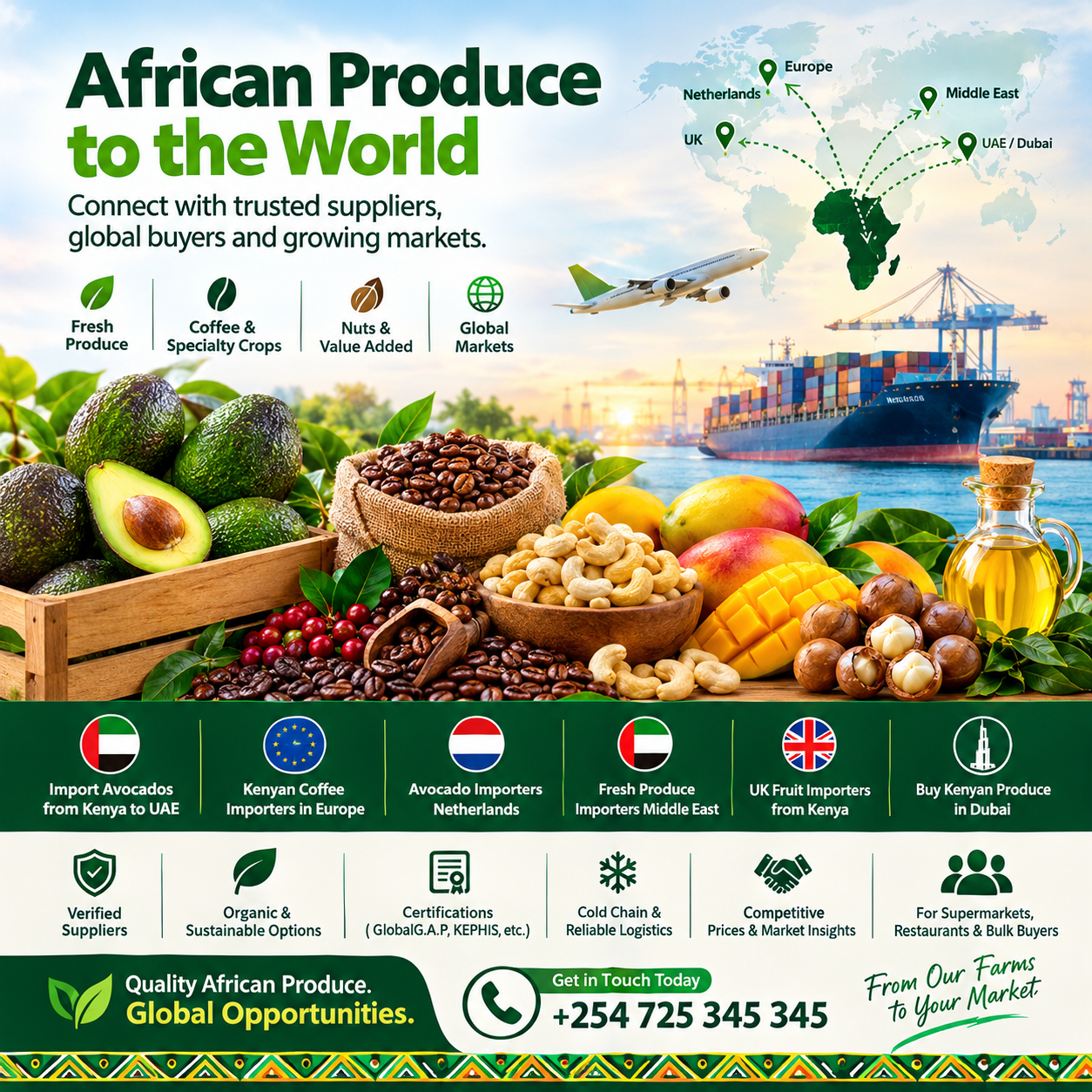
An agricultural marketplace like Alibaba is the digital trading floor where farms, cooperatives, and exporters meet the buyers who need what they grow — and the concept has finally arrived where it matters most: agriculture. Global e-commerce transformed how manufactured goods trade years ago, while produce and commodities lagged behind because farming is seasonal, perishable, and trust-dependent. That lag is now closing fast, and the platforms making it close are what every search for an agricultural marketplace like Alibaba is really hunting for.
The stakes for African agriculture are enormous. Farmers routinely sell at a fraction of end-market prices because they lack market visibility, while buyers struggle to find verified, traceable supply at scale. The platforms that connect verified African supply with global demand are therefore the most consequential agricultural technology of the decade — and this guide maps them completely for anyone evaluating an agricultural marketplace like Alibaba.
This guide is written for both sides of the screen. For sellers — growers, cooperative leaders, aggregators, and exporters — it explains how to choose platforms, build winning profiles, and convert digital visibility into real trade. For buyers — importers, processors, and retailers — it explains how to evaluate and use these platforms safely. Then we go deep on the marketplace models, the seller journey, the buyer journey, and the economics.
One honest note before we begin. Platform names, features, and coverage change faster in this space than any other digital trade segment — so treat this guide as the landscape as of 2026 and verify every platform’s current offerings, costs, and terms directly. That verification habit is doubly important here, because this guide teaches it — and it applies to every counterparty you meet on any agricultural marketplace like Alibaba.
Why Agriculture Needed Its Own Marketplace Model
General B2B platforms were built for manufactured goods. Factory products are standardized, storable, and shippable — characteristics that let generic platforms work with simple listings and minimal logistics integration. Agriculture breaks all three assumptions, which is why an agricultural marketplace like Alibaba must be built differently from the ground up.
Consider what a factory product actually is. A phone case manufactured in March is identical to one manufactured in September, ships in any container, and stores for years without changing. Produce violates every one of those assumptions, which is the structural reason an agricultural marketplace like Alibaba must handle time, biology, and variability as first-class features.
Seasonality means listings cannot be static. An avocado listing that is valid in April is false in September, so real agricultural platforms manage availability windows, harvest calendars, and forward contracts rather than permanent product pages. That time-awareness is a defining feature of any genuine agricultural marketplace like Alibaba.
Perishability means logistics is the product. The value of fresh produce depends entirely on the speed and temperature of everything that happens after the sale — so platforms that leave logistics to chance leave the value to chance. That logistics integration requirement is the engineering challenge every serious agricultural marketplace like Alibaba must solve.
Variability means specifications carry the trade. Two lots of the same crop from the same farm can differ, so agricultural platforms run on grade standards, quality parameters, and inspection rather than assumption. That specification discipline is what lets strangers trade confidently on any agricultural marketplace like Alibaba.
Trust is the final reason agriculture needs its own model. Buyers cannot taste produce through a screen, fraud concerns around agricultural payments are real, and the financial stakes demand verification on both sides. That trust problem is the central problem every agricultural marketplace like Alibaba exists to solve.
The Commodity Exchange, Digitized
The oldest form of organized agricultural trade is the commodity exchange. For over a century, exchanges have traded grains, coffee, and cocoa through grade standards, delivery specifications, and structured settlement — the infrastructure that made global commodity trade possible. Digitizing that model is the heavyweight tier of any agricultural marketplace like Alibaba landscape.
Modern digital exchanges bring the logic online. Warehouse receipt systems, electronic grading certificates, and standardized trade lots now connect origin sellers with international buyers through screens rather than trading floors. That digitization lets African cooperatives access markets that once required physical presence in distant cities — the access promise of a true agricultural marketplace like Alibaba.
Warehouse receipts deserve special attention. A receipt against certified storage lets a farmer or cooperative sell, finance against, or hold their commodity without moving it — the innovation that decouples trade from transport. Exchanges offering receipt-backed trading give African sellers instruments their grandparents could never access, which is the structural upgrade inside any agricultural marketplace like Alibaba worth joining.
Grade standards are the language of these platforms. Exchange-grade coffee, specified moisture levels, and defect counts let buyers buy precisely what they need from sellers they have never met. That specification discipline is what makes large commodity trade possible on any agricultural marketplace like Alibaba.
Price transparency is the exchange’s gift to farmers. Live market pricing, visible differentials, and transparent volumes replace the information asymmetry that intermediaries have long exploited. That transparency is the market-fairness benefit inside every honest agricultural marketplace like Alibaba.
Contract farming digitized is the newest layer. Forward contracts against coming harvests — booked digitally, with platforms holding both parties accountable — give sellers planning certainty and buyers supply certainty. That forward-contract capability is the risk-management benefit inside sophisticated agricultural marketplace like Alibaba platforms.
The Fresh-Produce Marketplace
Fresh produce is the hardest category in digital trade — and the most valuable to solve. Perishable, variable, and logistics-dependent, fresh produce demands platforms that manage biology in real time. Purpose-built fresh-produce marketplaces are the most operationally sophisticated segment of any agricultural marketplace like Alibaba landscape.
The best fresh-produce platforms integrate logistics directly. Cold-chain booking, delivery scheduling, and quality specification tools sit inside the transaction flow rather than outside it. That integration is what turns a matched buyer and seller into an actually delivered consignment — the completion promise of a genuine agricultural marketplace like Alibaba.
Quality specifications carry the trade. Size, grade, ripeness windows, and packing standards are defined digitally, with photo documentation and inspection protocols managing the gap between promise and arrival. That specification management is what lets buyers trust produce sourced digitally at all — the confidence layer of every agricultural marketplace like Alibaba transaction.
Availability calendars replace static listings. Sellers list what is coming rather than what is, and buyers plan against harvest calendars rather than hoping. That forward-market structure is the intelligent design inside a well-built agricultural marketplace like Alibaba.
Photo documentation has become the quality bridge. Harvest photographs, packhouse videos, and inspection images give buyers sensory information screens cannot otherwise carry. That visual verification is the trust technology inside modern agricultural marketplace like Alibaba platforms.
For African exporters, fresh-produce platforms solve the discovery problem that has historically required trade fairs and agents. Digital visibility puts Kenyan beans and Ugandan vanilla in front of buyers searching daily, without a single flight. That discovery democratization is the inclusion promise of every agricultural marketplace like Alibaba serving African fresh produce.
The Vertical Marketplace: One Crop, One Community
Vertical platforms go deep rather than wide. A coffee marketplace, a cocoa network, or an avocado platform serves one product community with tools built for exactly that trade. That depth is why the vertical model often outperforms general platforms for specialized sellers evaluating an agricultural marketplace like Alibaba.
Coffee marketplaces show the model at its best. Cupping scores, farm profiles, lot-level traceability, and roaster-matching connect the specialty supply chain with precision general platforms cannot match. That specialty depth is what makes coffee the most digitally mature segment of any agricultural marketplace like Alibaba landscape.
The vertical model carries community dynamics general platforms lack. Reputation within a single-crop community, repeat relationships, and shared standards create trading cultures that outlast individual transactions. That community trust is the compounding asset of sellers embedded in a good agricultural marketplace like Alibaba vertical.
Specialty premiums flow through verticals too. Documented quality, verified origin, and direct relationships capture price tiers that anonymous commodity channels never reach. That premium capture is the economic argument for sellers whose products fit a strong vertical agricultural marketplace like Alibaba.
The limitation is honest: verticals serve one crop. A diversified farm or multi-crop exporter may need several verticals plus a general platform — the portfolio approach many successful African exporters now run. That portfolio strategy is the practical reality of the agricultural marketplace like Alibaba decision for most real businesses.
The General Platform’s Agricultural Wing
The major general B2B platforms have not ignored agriculture. Agricultural categories, verified-producer programs, and produce-specific tools have been added as the trade’s digital potential became undeniable. That expansion is the broadest layer of the agricultural marketplace like Alibaba landscape.
General platforms bring traffic advantages. Buyer volumes on the largest platforms exceed any niche, which matters for sellers of scalable, storable products. That traffic advantage is the genuine benefit available on the general wing of any agricultural marketplace like Alibaba.
The trade-off is specialization. General platforms cannot manage harvest calendars, cold chains, or grade nuances with the depth agricultural specialists do. That trade-off is why most sophisticated sellers treat general platforms as one channel among several rather than the whole strategy — the balanced view of the agricultural marketplace like Alibaba decision.
Commodity sellers often fare best there. Grains, pulses, and processed goods travel closer to manufactured-goods logic than fresh produce does. That product-fit insight is the practical selection rule within the agricultural marketplace like Alibaba decision framework.
The Platform-Plus-Logistics Hybrid
The newest model bundles the whole trade into the platform. Freight booking, inspection, documentation, and payment protection sit inside the transaction itself — turning a listing into a complete deal. That full-stack model is where the entire agricultural marketplace like Alibaba category is heading.
For African sellers, the hybrid solves the export-execution problem. Small producers who can grow but cannot navigate freight, certificates, and payment risk gain a platform that executes what they cannot. That execution support is the inclusion breakthrough of the hybrid agricultural marketplace like Alibaba.
The economics deserve honest attention. Integrated services carry fees, and sellers should model total transaction costs — platform fees plus logistics plus finance — before comparing channels. That cost clarity is the professional discipline of anyone choosing an agricultural marketplace like Alibaba on economics rather than enthusiasm.
The Buyer’s Side of the Marketplace
Buyers face their own risks on agricultural platforms. Unverified sellers, misrepresented quality, and supply that fails on arrival are the buyer-side versions of the fraud problem. That two-sided risk is why credible agricultural marketplace like Alibaba platforms verify both directions.
Savvy buyers evaluate sellers systematically. Registration verification, certification checks, transaction histories, and small trial orders before large commitments are the buyer-side discipline. That evaluation rigor mirrors what our directory guide teaches exporters — and it applies on any agricultural marketplace like Alibaba.
Buyers also value responsiveness and honesty. Suppliers who communicate delays early, document honestly, and hold specifications build the reputations that attract repeated orders. That two-way professionalism is what makes marketplaces function — the cultural layer beneath any agricultural marketplace like Alibaba.
The best platforms build reputation systems. Ratings, verified transaction counts, and dispute records give buyers data beyond marketing claims. That reputation transparency is the maturation feature of a serious agricultural marketplace like Alibaba.
Pricing and Payment Mechanics
Pricing on agricultural platforms follows several structures. Spot pricing against live markets, contract pricing against agreed formulas, and premium pricing for certified lots each operate differently. Understanding which structure applies to your product is the commercial literacy of any agricultural marketplace like Alibaba participant.
Payment protection is the platform’s financial role. Escrow arrangements, milestone payments, and secure international rails replace the trust-based systems that limited trade to known parties. That payment infrastructure is what makes first transactions between strangers workable on any agricultural marketplace like Alibaba.
Currency considerations matter across borders. African sellers earning in dollars and euros face conversion considerations that platforms increasingly help manage. That financial fluency is part of the professionalism of serious agricultural marketplace like Alibaba users.
Fee structures deserve honest modeling. Subscriptions, transaction percentages, logistics charges, and payment costs together determine the true economics of any platform channel. That total-cost clarity is the financial discipline of smart agricultural marketplace like Alibaba participants.
The Seller’s Platform Checklist
Check buyer traffic in your exact category first. Verify that buyers actively search your product on the platform — not just that the platform claims global reach. That fit test is the first filter for any agricultural marketplace like Alibaba.
Check verification depth second. Platforms that verify sellers deeply protect you from fraudster contamination and give buyers confidence to engage African supply. That trust standard is the quality signal of a serious agricultural marketplace like Alibaba.
Check total costs third. Subscriptions, transaction fees, logistics charges, and payment costs modeled against realistic volumes reveal the true economics. That cost modeling is the financial discipline of smart agricultural marketplace like Alibaba participants.
Check support and dispute systems last. Onboarding help, documentation support, and dispute resolution determine what happens when things go wrong — which they eventually do. That support layer is what separates complete platforms from abandoned accounts in the agricultural marketplace like Alibaba experience.
The African Advantage on Digital Agricultural Platforms
Africa’s counter-season supply is a structural advantage online. Buyers building year-round programs find African produce filling windows no other origin covers — the advantage covered across our trade guides. That seasonal edge is the positioning opportunity for African sellers on any agricultural marketplace like Alibaba.
Traceability is Africa’s story to tell. Documented farms, smallholder networks, and sustainability narratives are exactly what premium buyers search for digitally. That story infrastructure is the differentiation available to sellers who prepare for any agricultural marketplace like Alibaba properly.
Mobile penetration has reached the farm. African producers can now participate in digital trade directly — photographing harvests, responding to inquiries, and managing listings from the field. That accessibility is the inclusion promise of every agricultural marketplace like Alibaba serving African agriculture.
The diaspora completes the demand picture. African communities abroad buying foods from home create retail and wholesale demand that platforms increasingly serve. That diaspora channel is the growing lane within every agricultural marketplace like Alibaba.
Common Mistakes to Avoid
Mistake one is registering and waiting. Platforms deliver trade to sellers who actively list, respond, and engage — not to profiles that sit. That activity requirement is the first commandment of any agricultural marketplace like Alibaba.
Mistake two is underestimating verification. Incomplete profiles and missing certifications get filtered out by buyer searches before any conversation begins. Completing verification is the highest-leverage action on any agricultural marketplace like Alibaba.
Mistake three is ignoring off-platform completion. Samples, farm visits, and direct relationships convert platform matches into durable trade — the multi-channel reality covered in our directory and trade guides. That channel awareness is the complete strategy behind every successful agricultural marketplace like Alibaba seller.
Mistake four is spreading across too many platforms. Five half-maintained profiles lose to two actively managed ones, because engagement quality decides conversion. That focus discipline is the channel strategy of sellers who profit from any agricultural marketplace like Alibaba.
Real Scenarios from Real Sellers
Picture a Ugandan coffee cooperative that listed certified lots on a commodity platform. Verified status and complete cupping data attracted a European roaster within a season — and the relationship now runs directly, with the platform having done its job. That verification-led outcome is the classic success pattern on any agricultural marketplace like Alibaba.
Picture a Kenyan herb exporter using a fresh-produce marketplace alongside airfreight logistics integration. Digital inquiries became trial shipments, and trial shipments became a weekly program into Gulf retail. That transaction-completion flow is the full-stack promise of a well-built agricultural marketplace like Alibaba.
Picture a Tanzanian sesame aggregator who started on one vertical platform and expanded to three. Each platform serves a different buyer type — processors, wholesalers, and institutional buyers — and the diversified pipeline stabilized prices across seasons. That portfolio strategy is the maturation path of sellers who master the agricultural marketplace like Alibaba landscape.
The Road Ahead: The Next Five Years
The category is consolidating fast. Verification standards, logistics integration, and payment protection are becoming baseline features rather than differentiators. Sellers who master the current platforms now will hold the advantage as they mature — the advantage compounds for early, disciplined users of any agricultural marketplace like Alibaba.
Expect AI matching to deepen. Platforms are moving from searchable listings to systems that match supply to demand automatically using quality data, calendars, and buyer histories. That intelligence layer is the next chapter of every agricultural marketplace like Alibaba.
Expect traceability to become table stakes. Buyer regulations and consumer expectations are pushing farm-level documentation from differentiator to requirement. Sellers with digital farm records will meet that future comfortably — and those with wider interests can manage the full enterprise through tools like rentaldesk.co.ke.
Frequently Asked Questions
Is there an agricultural marketplace like Alibaba for African produce?
Yes — Africa-focused B2B platforms, digitized commodity exchanges, vertical crop marketplaces, and general platforms with agricultural wings together form a real landscape. No single platform dominates yet, so match platforms to your product and buyer type. That multi-platform reality is the honest answer behind the agricultural marketplace like Alibaba search.
How do fresh produce platforms handle perishability?
The serious ones integrate cold-chain logistics, quality specifications, and delivery scheduling into the transaction flow rather than treating produce like durable goods. Confirm a platform’s logistics capability before listing perishables. That perishability handling is the defining feature of a genuine agricultural marketplace like Alibaba for fresh trade.
What should I verify before paying for a platform membership?
Verify actual buyer activity in your product category, the platform’s verification standard, total costs including transaction fees, and support quality — using the same scrutiny you apply to buyers. That platform-vetting habit protects every shilling you spend on any agricultural marketplace like Alibaba membership.
How do I avoid scams on agricultural platforms?
Verify counterparties through registries, keep early negotiations on-platform, use secure payment instruments, and treat too-good-to-be-true offers exactly as they deserve. The same verification standards from our directory guide apply on every agricultural marketplace like Alibaba.
How do buyers verify sellers on these platforms?
Through registration checks, certification verification, transaction histories, ratings, and small trial orders before large commitments — a discipline mirroring what we teach African exporters in our directory guide. Both sides verifying each other is what makes digital agricultural trade work. That two-way diligence is the culture of a mature agricultural marketplace like Alibaba.
Do I still need trade fairs and agents if I’m on platforms?
Yes — platforms handle discovery efficiently, but samples, farm visits, and direct relationships convert matches into durable trade, so the channels complement rather than replace each other. The multi-channel approach is the complete strategy. That integration of channels is the professional posture of the most successful sellers on any agricultural marketplace like Alibaba.
How is this different from the African alternative to Alibaba guide on this site?
That guide maps the full platform landscape for all African trade — manufacturing, goods, and agriculture — while this one goes deep on the agricultural slice: commodity exchanges, produce platforms, and farm-to-buyer digital trading. Read together, they cover the complete platform strategy. For sellers whose trade sits on wider business interests, platforms like rentaldesk.co.ke manage those records alongside.