
Fresh Produce Suppliers for Supermarkets: How Buyers Choose and How Suppliers Win in 2026
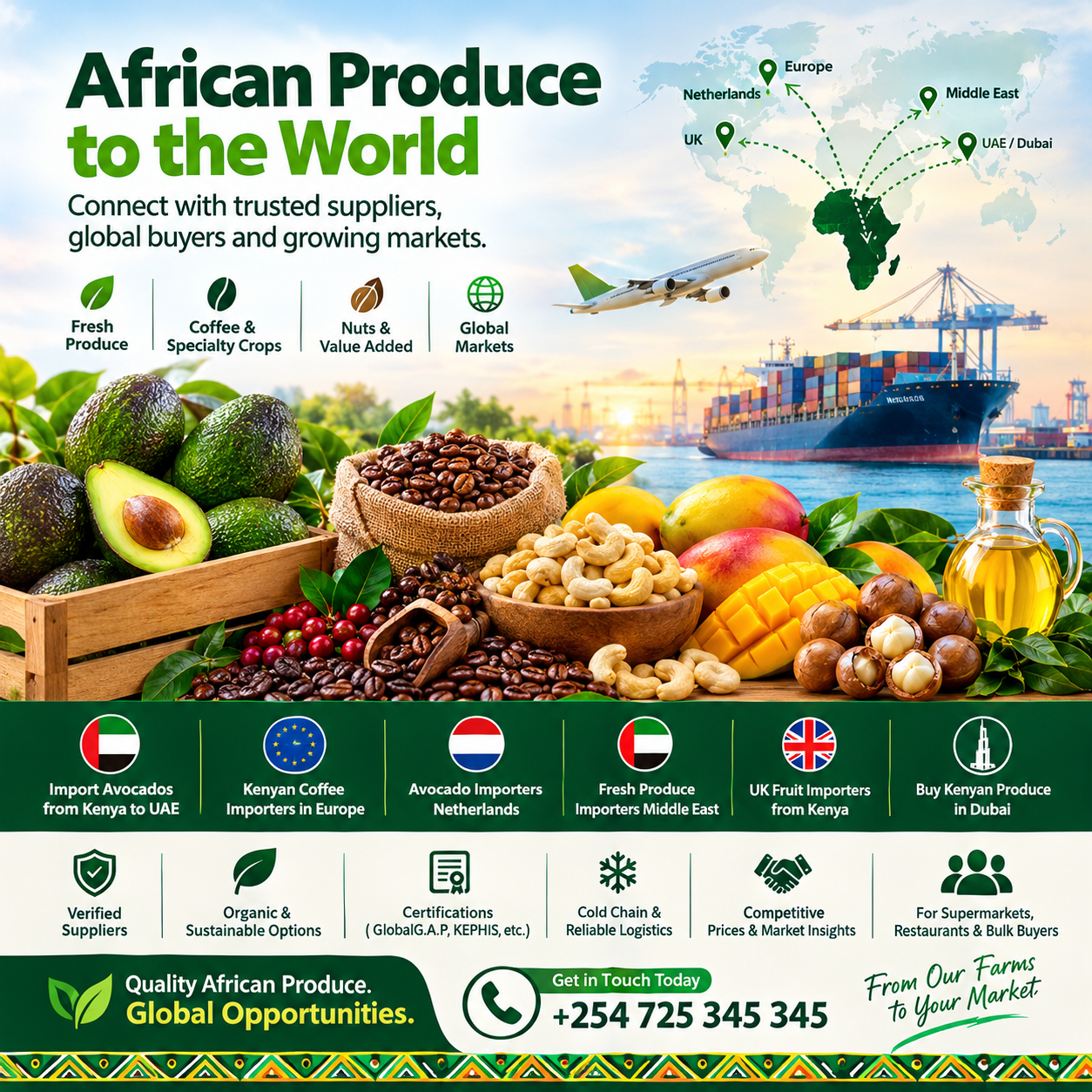
Fresh produce suppliers for supermarkets hold one of the most demanding jobs in the entire food economy — delivering the same quality, the same volumes, and the same reliability week after week to retail buyers who never pause and never forgive an empty shelf. Supermarkets live or die by their fresh sections, because produce is where shoppers judge everything else about the store. That judgment is what makes the relationship between retailers and their fresh produce suppliers for supermarkets both lucrative and brutal.
The opportunity in this space is enormous. A single national chain’s produce program can be worth millions annually, flowing to a relatively small circle of approved suppliers who meet the bar. Getting into that circle is what this guide is designed to achieve — for exporters, growers, aggregators, and distributors targeting the fresh produce suppliers for supermarkets opportunity.
The competition for those positions is global. Suppliers from dozens of countries compete for the same retail programs, and the winners are decided by standards, systems, and reliability rather than by chance. Understanding what decides that competition is the entire purpose of this guide for aspiring fresh produce suppliers for supermarkets.
This guide is written from both sides of the buying desk. We unpack how supermarket procurement actually works — the buyers, the standards, the processes, and the contracts — and then flip to the supplier side: what it takes to qualify, to win, and to keep the business. We also cover certifications, logistics, pricing structures, relationship management, and the mistakes that end supplier careers early.
One honest note before we begin. Retail standards, procurement processes, and program structures vary by chain, country, and market tier — so confirm specifics directly with each retailer’s procurement team and the relevant certification bodies before you build your strategy around them. That verification habit is what separates suppliers who win shelf space from those who win meetings.
Why Supermarkets Are the Prize
Supermarkets concentrate demand like nothing else in food. A single national chain sells more produce in a week than a thousand wet-market vendors combined, and that concentration is what makes retail programs the most valuable contracts in the trade. Winning one chain converts an exporter from a market-chaser into a fresh produce suppliers for supermarkets partner with standing volumes.
The volumes justify serious investment. Standing programs run on contracted quantities, predictable weekly schedules, and pricing agreed per season — the commercial structure that justifies greenhouses, certification, and cold chains. That structure is why growers and exporters build entire businesses around becoming fresh produce suppliers for supermarkets.
The stability compounds. Retail relationships, once established, tend to persist across years — because switching suppliers is expensive for the buyer and because trust in food safety takes seasons to build. That relationship durability is the long-term prize for fresh produce suppliers for supermarkets who deliver.
The brand halo completes the case. Sitting on supermarket shelves alongside national brands signals quality that lifts every other channel a supplier serves. That reputational carry-over is the quiet bonus of being among the fresh produce suppliers for supermarkets in any market.
How Supermarket Procurement Actually Works
Procurement runs through specialized produce buyers. Retail chains employ category managers who own the fresh produce portfolio — sourcing, pricing, quality standards, and supplier relationships for their categories. Those buyers are the gatekeepers every fresh produce suppliers for supermarkets candidate must eventually convince.
Many chains buy through intermediaries. Produce importers, category managers, and dedicated fresh-produce procurement companies consolidate supply for multiple retail programs — often the practical entry point for new suppliers. Serving those intermediaries is the indirect route into becoming one of the fresh produce suppliers for supermarkets behind the shelves.
Programs are structured, not ad hoc. Retail produce flows through seasonal contracts, approved supplier lists, specification documents, and quality agreements — not through daily spot buying. That formal structure is what fresh produce suppliers for supermarkets must be built to serve.
The approval process is designed to filter. Documentation review, facility audits, sample evaluation, trial shipments, and contract negotiation stand between a supplier and the shelf. Understanding each stage is how candidates for fresh produce suppliers for supermarkets status prepare properly.
What Supermarkets Demand: The Non-Negotiables
Demand one is food safety certification. GlobalG.A.P or equivalent schemes, residue compliance, and traceability from plot to shelf are entry requirements across modern retail. The certification layers covered in our GlobalG.A.P and organic guides are the entry tickets for fresh produce suppliers for supermarkets everywhere.
Demand two is consistency. The same grade, the same size, the same packing, week after week — variability is the fastest route off an approved list. That consistency standard is the operational signature of professional fresh produce suppliers for supermarkets.
Demand three is volume reliability. Programs are built on contracted quantities delivered on schedule, through seasons, holidays, and weather events. The capacity to absorb that obligation is what separates fresh produce suppliers for supermarkets from opportunistic traders.
Demand four is cold-chain integrity. Produce that arrives tired, warm, or damaged tells the buyer your supply chain leaks — and one bad arrival can end a program before it matures. The cold-chain discipline covered in our air freight and trade guides is what defines serious fresh produce suppliers for supermarkets.
Demand five is documentation and transparency. Spray records, traceability files, testing certificates, and audit readiness are the paperwork layers behind every retail program. That documentary depth is what retail procurement expects from fresh produce suppliers for supermarkets as standard.
Demand six is ethics and sustainability. Worker welfare, environmental practice, and increasingly carbon and packaging standards are audited across modern retail sourcing. Those expectations — especially in British and European retail covered in our trade guides — are now core criteria for fresh produce suppliers for supermarkets.
The Specifications: Speaking the Buyer’s Language
Specifications are the contract within the contract. Variety, size, grade, color, sweetness levels, packing configuration, and labeling are all written down before a single crate ships. Learning to read and meet those documents is the technical literacy of fresh produce suppliers for supermarkets.
Specifications exist because retail demands uniformity. Shoppers choose with their eyes, and a shelf display of mismatched produce fails the visual test that drives purchases. That uniformity requirement is why the growing and sorting disciplines of fresh produce suppliers for supermarkets matter as much as the farming itself.
Specifications also define what failure means. Rejected loads, quality claims, and delisting all trace to spec deviations — documented, measured, and remembered. That precision standard is what separates professional fresh produce suppliers for supermarkets from wholesalers with better intentions than systems.
The Path to Approval
Step one is research before contact. Identify the chains whose programs fit your produce, study their specs, and understand their supplier requirements before any approach. That preparation is the difference between a proposal and spam for buyers evaluating fresh produce suppliers for supermarkets candidates.
Step two is the professional approach. A concise offer with certifications, capacities, sample availability, and references — directed at the right buyer through the right channel — opens doors that cold calls never do. That approach quality is the first impression of every fresh produce suppliers for supermarkets candidate.
Step three is the audit and trial phase. Facility inspections, sample evaluation, and trial shipments test the supplier against the spec before any contract is signed. Passing that phase is the qualification gate into fresh produce suppliers for supermarkets programs.
Step four is the contract and the ramp. Approved suppliers negotiate volumes, pricing, and schedules — then scale production to meet the program’s rhythm. That ramp discipline is what turns an approval into a durable position among fresh produce suppliers for supermarkets.
Pricing: How Retail Programs Pay
Retail pricing runs on agreed seasonal structures. Contracted rates per unit or per kilogram, agreed before each season, with adjustments for market movements where the contract allows. That pricing stability is the commercial foundation suppliers to fresh produce suppliers for supermarkets plan their investments around.
The margins are tighter but the volumes are larger. Retail programs trade unit margin for volume certainty — the trade that makes specialization and scale profitable. That volume-margin balance is the economic engine behind fresh produce suppliers for supermarkets business models.
Payment terms favor the prepared. Retail chains pay on agreed terms with formal invoicing, which rewards suppliers whose documentation and records are retail-grade. That administrative standard is an underrated differentiator among fresh produce suppliers for supermarkets.
Price pressure is real and constant. Retail buyers benchmark aggressively, and suppliers defend their position through efficiency, quality, and service rather than discounts alone. That value-based defense is the pricing strategy of sustainable fresh produce suppliers for supermarkets.
The Economics of Supplying Retail
Beyond pricing, the full economics deserve honest modeling. Production costs, certification investments, logistics, rejection allowances, and the working capital that retail payment terms demand all belong in the calculation. Suppliers who model the complete picture make better program decisions — the financial discipline behind sustainable fresh produce suppliers for supermarkets careers.
The working-capital dimension catches many suppliers unprepared. Retail payment terms can stretch to thirty, sixty, or ninety days, and supplying a major program means financing production long before payment arrives. Planning that capital cycle is the financial infrastructure of professional fresh produce suppliers for supermarkets.
Rejection allowances belong in every model. Even excellent suppliers absorb a small percentage of quality claims, and those percentages must be priced into the program economics rather than suffered as surprises. That allowance discipline is what separates resilient fresh produce suppliers for supermarkets from fragile ones.
Scale changes the economics fundamentally. A supplier serving one program spreads fixed costs across volumes; a supplier serving several programs spreads them further and hedges against any single program’s fluctuations. That multi-program strategy is the growth logic of established fresh produce suppliers for supermarkets.
Building the Supplier Network
Few suppliers grow everything themselves, and the network is how scale happens. Outgrower schemes, contracted farms, and aggregating cooperatives extend a supplier’s capacity beyond its own land. That network architecture is the supply-side foundation of larger fresh produce suppliers for supermarkets operations.
Networks need standards even more than single farms do. Training, input support, and monitoring systems bring outgrowers to the same specification as the home farm. That network discipline is what separates reliable fresh produce suppliers for supermarkets from aggregators who gamble on quality.
The Kenyan horticulture model is the proof. French beans, avocados, and snow peas flow into European retail through thousands of smallholders organized under exporter networks — covered across our trade guides. That smallholder-inclusive structure is why Kenya remains a benchmark for fresh produce suppliers for supermarkets programs worldwide.
Quality Management: The System Behind the Standard
Quality is a system, not an inspection. Farms that check quality only at packing discover problems too late, while systems that manage quality from seed to shelf prevent them. That system thinking is the operational philosophy of professional fresh produce suppliers for supermarkets.
It begins with the seed. Variety selection, planting schedules, and crop management are planned backward from the program’s specifications and delivery calendar. That backward planning is the agronomic discipline of fresh produce suppliers for supermarkets.
It continues through the field. Scouting, pest management, and harvest timing decisions are made against the program’s quality targets rather than generic farming norms. That field-level rigor is what produces the uniformity retail demands from fresh produce suppliers for supermarkets.
It ends with the packhouse and the data. Grading lines, quality control points, and records that document every consignment close the loop. That end-to-end system is what makes fresh produce suppliers for supermarkets consistent enough for retail by design rather than by luck.
Logistics: Delivering the Program
Retail programs run on schedules, not availability. Weekly delivery windows, standing collection arrangements, and disciplined timing are the logistics rhythm of every program. That schedule reliability is the operational signature of fresh produce suppliers for supermarkets.
The route depends on the market. Regional programs run on refrigerated road transport, while export programs depend on the air and sea freight systems covered in our logistics guides. Matching the channel to the chain is the logistics craft of fresh produce suppliers for supermarkets operating across borders.
Failure planning is part of the job. Weather, transport breakdowns, and crop surprises all threaten schedules, and prepared suppliers hold contingency plans. That resilience is what keeps fresh produce suppliers for supermarkets programs running through difficult weeks.
Relationships: Keeping the Business
Communication is the relationship’s heartbeat. Weekly updates, early warnings about crop issues, and honest reporting on problems build the trust that programs run on. That communication discipline is the retention strategy of fresh produce suppliers for supermarkets who keep programs for years.
Problems handled well become loyalty. A supplier who reports a quality issue before the buyer discovers it, with a solution attached, earns more credibility than a spotless season. That candor is the relational asset of professional fresh produce suppliers for supermarkets.
Growth follows delivery. Suppliers who hold one program reliably get offered the next category, the next season, the next chain. That organic expansion is how fresh produce suppliers for supermarkets grow their retail book without chasing it.
Disputes and Claims: Handling the Inevitable
Even excellent suppliers face claims. Rejected loads, quality deductions, and short-shelf-life complaints arrive across every supplier’s career — and how they are handled defines the relationship. That claims management is the mature discipline of established fresh produce suppliers for supermarkets.
The first rule is verification. Photographing loads, documenting arrival condition, and understanding the buyer’s claim basis protects suppliers from absorbing costs that are not theirs. That evidence habit is the fairness layer of claims handling among fresh produce suppliers for supermarkets.
The second rule is pattern analysis. One claim is an event; repeated claims on the same line are a system failure pointing somewhere specific. Suppliers who trace claim patterns fix root causes — the improvement discipline of the best fresh produce suppliers for supermarkets.
The third rule is honest absorption when deserved. When the claim is legitimate, absorbing it quickly and gracefully costs less than the argument. That integrity is the reputation protection of fresh produce suppliers for supermarkets who keep programs through imperfect seasons.
Common Mistakes That End Programs
Mistake one is overcommitting volume. Taking a program you cannot supply through a bad weather month converts one failure into a lost contract. Honest capacity planning is the first discipline of suppliers targeting supermarket programs.
Mistake two is neglecting the paperwork. Missing certificates, incomplete records, and failed audits end programs as surely as bad produce. The documentation standards covered across our certification guides are what keep fresh produce suppliers for supermarkets compliant by default.
Mistake three is going quiet. Suppliers who communicate only when problems force them to lose the early-warning trust that programs depend on. That communication failure is the most avoidable end of retail careers among fresh produce suppliers for supermarkets.
The Digital Future of Retail Sourcing
Retail procurement is digitizing rapidly. Digital supplier platforms, electronic documentation, and data-driven quality monitoring are replacing email-and-spreadsheet sourcing across the industry. Suppliers who build digital capability today will find the programs of tomorrow easier to win — the same digital discipline that platforms like rentaldesk.co.ke bring to the wider business interests behind the trade.
Traceability is becoming the consumer-facing frontier. QR codes on produce linking shoppers to farms and stories are moving from novelty to expectation in premium retail. Suppliers with genuine digital traceability will own that storytelling layer — the branding advantage of future fresh produce suppliers for supermarkets.
Real Scenarios from Real Suppliers
Picture a Kenyan bean exporter who spent two years building GlobalG.A.P compliance across twenty supplying farms. The certification file, the packhouse investment, and the trial shipments eventually won a European retail program that now anchors the entire business. That multi-year build is the standard journey for produce suppliers entering supermarket programs.
Picture a greenhouse grower in Limuru supplying her local chain’s salad program. Contracted weekly volumes transformed her planning, financing, and income stability within a single year. That stability is the everyday reward of growers who become fresh produce suppliers for supermarkets in their own markets.
The Road Ahead
Retail sourcing keeps professionalizing. Traceability requirements, sustainability standards, and digital procurement platforms keep raising the bar — and keep clearing out the informal. Suppliers who build to tomorrow’s standard today will own the programs of the future.
Frequently Asked Questions
How do I become a supplier to a supermarket?
Build the certifications, the capacity, and the documentation first, then approach the right buyer — directly or through category intermediaries — with a professional offer and samples. The approval process runs on preparation, not persistence alone. That preparation standard is the entry path for produce suppliers targeting supermarket programs.
What certifications do supermarkets require?
GlobalG.A.P or equivalent food-safety schemes are the baseline across modern retail, with residue compliance, traceability, and ethical-audit readiness layered on top depending on the chain and market. Match your certification stack to the chains you are targeting. That certification planning is the compliance foundation for fresh produce suppliers for supermarkets.
Can smallholder farmers supply supermarkets directly?
Directly is rare; through cooperatives, producer organizations, and aggregators is the proven route — the collective model that carried African horticulture into European retail. Group certification and shared infrastructure make smallholder produce retail-compliant. That aggregation pathway is how most smallholder produce reaches supermarket shelves.
What happens when a delivery fails a quality check?
Rejections are documented, claims follow, and repeated failures end programs — which is why prevention through cold chain, specs discipline, and honest capacity planning matters more than any recovery tactic. Handle every claim transparently, and treat the pattern behind it as the real problem. That claim management is the risk practice of established fresh produce suppliers for supermarkets — properly phrased: of produce suppliers serving supermarket programs.
How long do retail payment terms run, and how do I manage them?
Terms commonly run thirty to ninety days depending on the chain and market, which means financing production well before payment — plan working capital accordingly and confirm exact terms with each retailer. Suppliers who plan the cash cycle avoid the growth trap that catches unprepared ones. That capital planning is the financial management of professional fresh produce suppliers for supermarkets.
How is this different from the exporter trade guides on this site?
The avocado, produce, UK, and Gulf guides cover entering export markets and reaching buyers, while this one covers winning and holding the retail programs those buyers run. Read together, they cover the full journey from farm gate to shelf. The strongest fresh produce suppliers for supermarkets study both layers of the trade they serve.