
African Alternative to Alibaba: The Sourcing Platforms Connecting African Trade
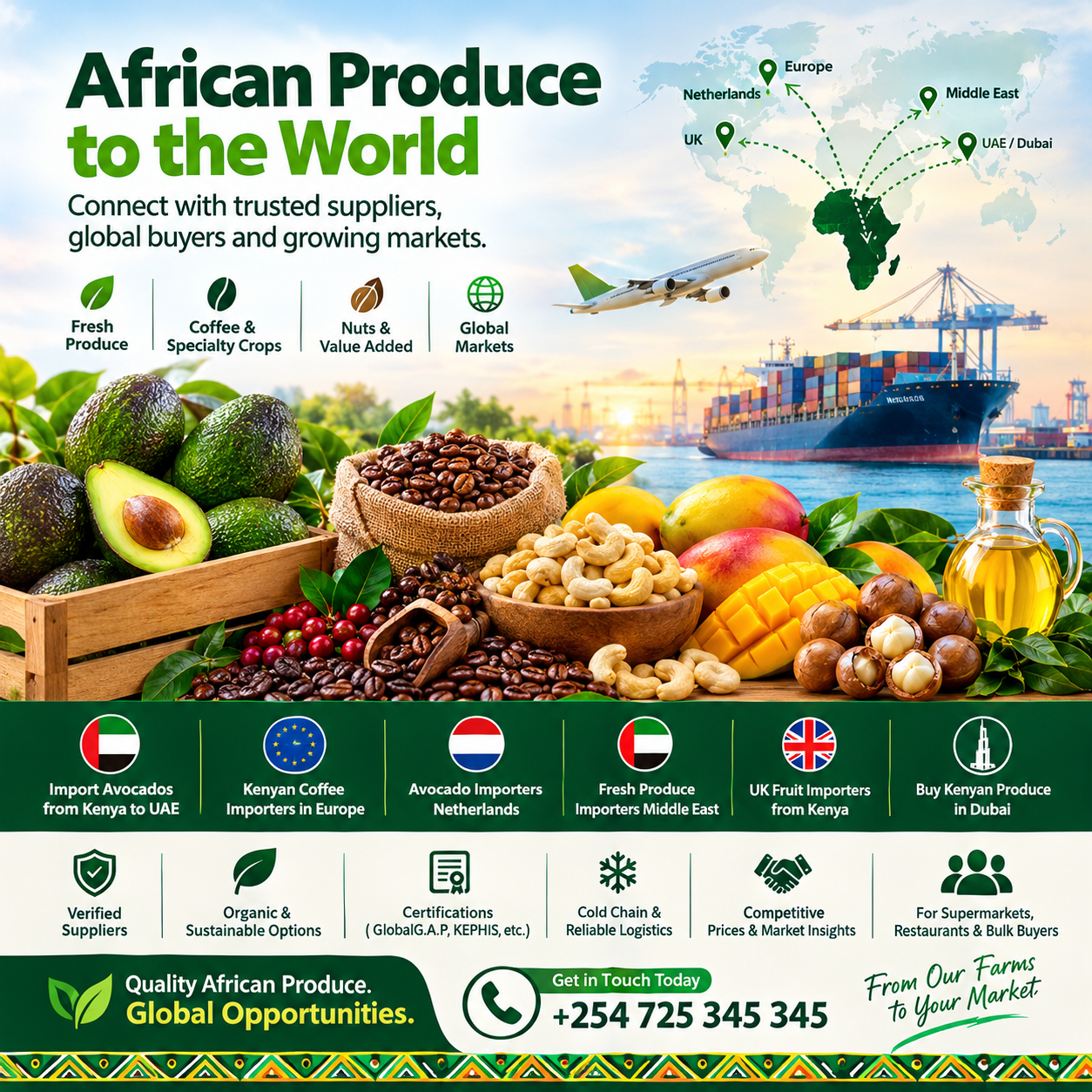
An African alternative to Alibaba is the question behind one of the continent’s biggest digital trade gaps — because Alibaba reshaped global commerce, yet the platforms that built global sourcing largely ignored African supply. Asian suppliers dominate the world’s largest sourcing marketplace, while African producers — with world-class coffee, cocoa, avocados, and minerals — remain underrepresented on the platforms where global buyers search. Closing that visibility gap is the opportunity behind every search for an African alternative to Alibaba.
The gap is real, but so is the momentum. African B2B platforms, regional marketplaces, and global platforms expanding African categories are emerging fast — and knowing which ones work, for which products, and how to use them is the practical question this guide answers. It is written for the African seller — the exporter, producer, aggregator, or manufacturer — who wants digital buyers without losing money on platforms that don’t deliver.
We cover the complete landscape. We explain what Alibaba got right and why Africa needs its own equivalents, map the platforms that exist today, and break down which suit which products. We also cover how to succeed on any platform — profiles, verification, listings, and conversion — plus the mistakes that waste subscriptions and the future taking shape.
One honest note before we begin. Platform features, pricing, and reach change constantly, and new entrants appear every year — so treat this guide as the landscape as of 2026 and verify current platforms, costs, and terms directly before committing. That verification habit — the same one this guide teaches for buyer vetting — applies to the platforms themselves.
Why Alibaba Doesn’t Serve African Sellers Well
Alibaba was built for a specific direction. The platform’s DNA is Asian manufacturing flowing outward to global buyers — which means its buyer traffic arrives looking for factories, electronics, and bulk manufacturing, not for agricultural origins. That directional mismatch is the structural reason sellers keep searching for an African alternative to Alibaba.
The traffic pattern matters more than the listing. An African coffee exporter on Alibaba competes against thousands of Asian suppliers for buyer attention calibrated to different products and different price expectations. That competition-for-the-wrong-buyers dynamic is what limits results for African sellers on global platforms built around the Asian manufacturing supply chain — properly phrased: built around Asian manufacturing supply.
Visibility is also a paid hierarchy. Featured positions, verified-supplier badges, and premium memberships favor large, well-funded suppliers — economics that disadvantage most African SMEs. That pay-to-rank reality is part of why the search for an African alternative to Alibaba continues.
None of this makes global platforms useless for African sellers. Some African exporters do generate real trade there — but the results are uneven enough that dedicated alternatives matter. That honest framing is where the search for an African alternative to Alibaba begins.
What Africa Actually Needs from a Platform
The African trade platform must start from Africa’s real products. Agricultural commodities, processed foods, horticulture, textiles, and crafts are what the continent sells — so the platform must make those categories primary, not buried. That product-first design is the defining requirement of any true African alternative to Alibaba.
It must handle Africa’s verification challenges. Buyers hesitate on African sourcing because of fraud fears, so platforms that verify sellers deeply — registries, certifications, and track records — remove the continent’s biggest barrier. That deep verification is the trust infrastructure a genuine African alternative to Alibaba must provide.
It must support the seller’s whole journey. Logistics integration, payment solutions, documentation support, and compliance guidance turn a listing into a completed export — the full-stack need of most African SMEs. That end-to-end support is what separates complete platforms from simple listing sites in the African alternative to Alibaba conversation.
And it must understand mobile-first Africa. Sellers and buyers across the continent operate on phones, data-limited connections, and mobile money rails. That mobile-and-payments fluency is the local intelligence any African alternative to Alibaba must embed.
The Platform Landscape Today
The landscape divides into four families. Global B2B platforms expanding African categories, Africa-focused B2B platforms, vertical marketplaces for specific products, and diaspora-oriented food trade platforms. Mapping your product against those four families is the starting point of the platform-selection decision — the practical core of finding your African alternative to Alibaba.
Global platforms expanding African categories include several major names. General B2B marketplaces have added African seller programs and food-trade categories as the continent’s export potential has become undeniable. That global expansion is one layer of the evolving African alternative to Alibaba answer.
Africa-focused platforms are the most direct answer. Several dedicated B2B marketplaces built for African trade — connecting verified African suppliers with global and regional buyers — have emerged across the past decade. Those purpose-built platforms are the heart of the African alternative to Alibaba conversation.
Vertical marketplaces complete the picture. Commodity exchanges, coffee platforms, specialty-food marketplaces, and agro-trade apps connect specific product communities directly. For many African sellers, a vertical platform is the most effective African alternative to Alibaba for their exact product.
Choosing the Right Platform for Your Product
Match the platform to your product family first. Fresh produce, commodities, processed foods, and crafts each gravitate toward different platform types — and the right fit differs accordingly. That product-platform matching is the first selection filter for any African alternative to Alibaba search.
Then match it to your buyer type. Wholesale buyers, retail importers, processors, and specialty buyers each search on different platforms. Mapping where your actual buyers search is more important than platform prestige — the targeting discipline behind every effective African alternative to Alibaba decision.
Then match it to your business stage. New exporters may start with free tiers and vertical platforms, while established exporters benefit from premium global placement. That stage-appropriate progression is the practical path most sellers take through the African alternative to Alibaba landscape.
Finally, verify before you pay. Platform claims about buyer traffic, verification, and trade results deserve the same scrutiny you apply to buyers themselves. That platform-vetting habit is the professional standard within the African alternative to Alibaba search.
How to Succeed on Any Platform
Success starts with a complete, verified profile. Company registration, certifications, product specifications, and professional photography signal legitimacy before any conversation begins. That profile completeness is the first conversion factor on every African alternative to Alibaba platform.
Listings must speak buyer language. Specifications, volumes, packaging, certifications, and lead times stated clearly outperform beautiful-but-vague listings. That listing discipline is what separates converting sellers from invisible ones on any African alternative to Alibaba.
Response speed is the platform’s hidden currency. Buyers message multiple suppliers simultaneously, and the first substantive reply usually starts the conversation. That response discipline is the conversion habit of successful sellers on every African alternative to Alibaba.
Move conversations off-platform carefully. Building direct relationships is the goal, but keeping early negotiations on-platform protects both parties — the balance that experienced sellers on any African alternative to Alibaba strike deliberately.
The Mistakes That Waste Platform Money
Mistake one is paying for premium before the profile earns it. Paid placement amplifies whatever exists — including incomplete profiles and weak listings. Build the foundation first; that sequencing is the cost discipline of smart African alternative to Alibaba users.
Mistake two is treating platform messages as transactions. Bulk-copying replies to every inquiry converts at near zero — personalization converts. That engagement quality is the difference between active and dormant sellers on any African alternative to Alibaba.
Mistake three is ignoring platform verification. Unverified seller status undermines every other effort, because buyer trust starts there. Completing verification is the highest-ROI action on any African alternative to Alibaba.
Beyond Platforms: The Complete Buyer-Discovery Stack
Platforms work best inside a bigger system. Trade fairs, directories, associations, and direct outreach — covered across our trade and directory guides — fill the gaps platforms leave. That multi-channel reality is what the smartest users of any African alternative to Alibaba actually run.
Consistency across channels compounds. The exporter visible on platforms, at fairs, and in industry networks is the exporter buyers remember. That presence stacking is the growth strategy behind every successful African alternative to Alibaba user.
The records behind it all matter too. Pipeline tracking, buyer history, and business documentation — increasingly managed digitally through tools like rentaldesk.co.ke for wider business interests — turn platform activity into enterprise growth. That record discipline is the back office of every professional African alternative to Alibaba user.
The Road Ahead
The African platform story is accelerating. Continental trade frameworks, improving logistics corridors, and digital payment integration are making African e-commerce trade viable at scales impossible five years ago. The platforms serving that shift are improving fast — which is why the search for the perfect African alternative to Alibaba is a moving target in the best way.
Frequently Asked Questions
Is there a true African alternative to Alibaba?
Africa-focused B2B platforms exist and are growing, alongside global platforms expanding African categories — but no single platform yet matches Alibaba’s scale for African trade. Most successful African exporters combine several platforms with off-platform channels. That combination approach is the realistic answer behind the African alternative to Alibaba question.
Which platform is best for agricultural exports?
Vertical commodity platforms, Africa-focused B2B marketplaces, and the global platforms with strong food-trade categories each serve agricultural exporters differently — match the platform to your crop and buyer type. Test with free tiers before committing. That testing discipline is the selection method behind every effective African alternative to Alibaba choice.
Do African sellers actually succeed on Alibaba itself?
Some do — typically established exporters with premium memberships and strong profiles — but results are uneven because the platform’s buyer traffic is calibrated to Asian manufacturing. Treat it as one channel to test, not the primary strategy. That honest expectation-setting is the professional view of the African alternative to Alibaba debate.
How do I avoid scams on B2B platforms?
Verify buyer and seller identities through registries, keep early negotiations on-platform, use secure payment instruments, and treat too-good-to-be-true offers exactly as they deserve. The same verification standards from our directory guide apply here. That safety discipline applies on every African alternative to Alibaba platform.
How is this different from the food importers directory guide on this site?
The directory guide covers finding buyers through lists, registries, and verification — the discovery layer — while this one covers the platforms where buyers and sellers meet digitally. Read together, they form the complete digital buyer-discovery playbook. Both layers work alongside the wider business-record management that platforms like rentaldesk.co.ke provide.