
Bulk Buyers of African Produce: The Complete Guide to Large-Scale Trad
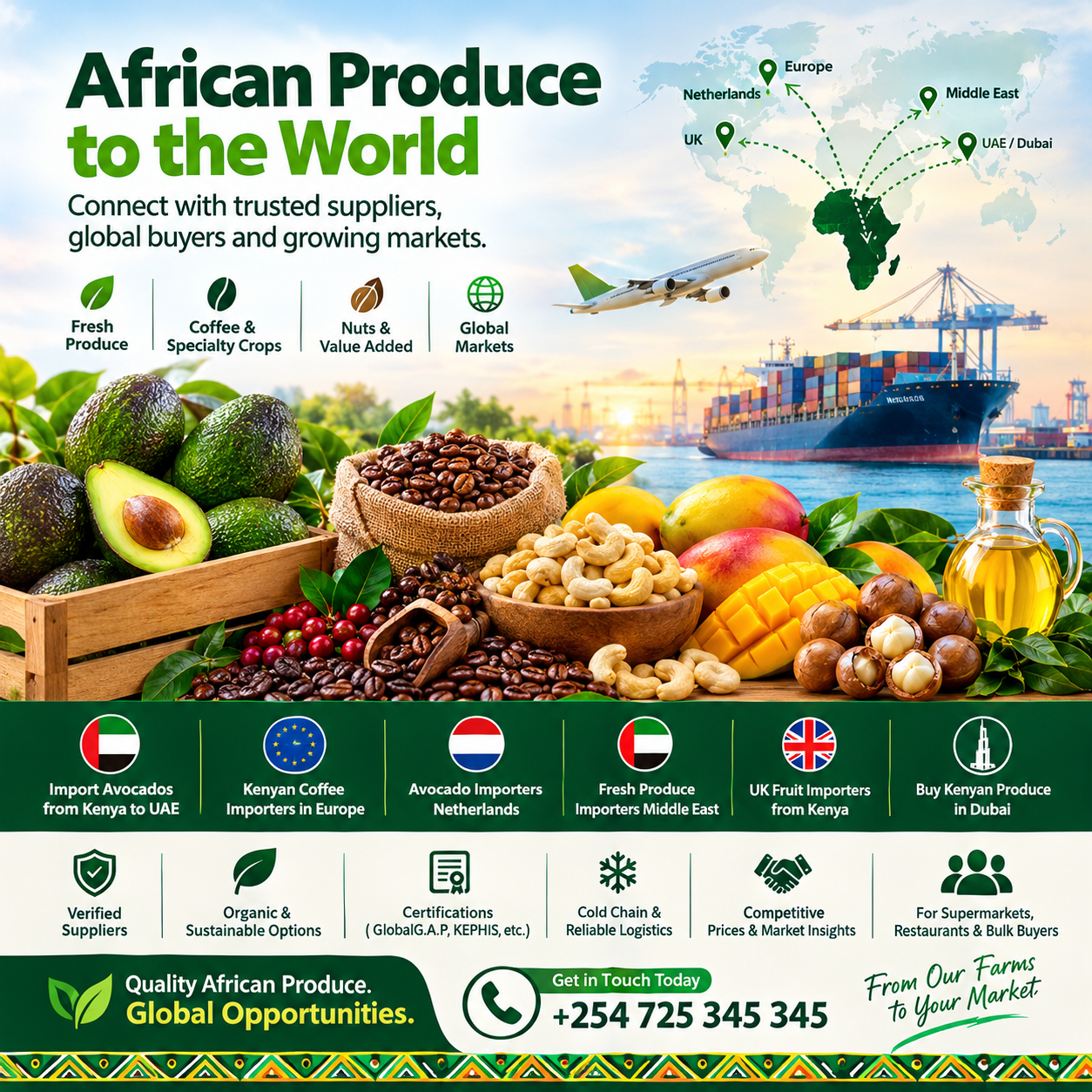
Bulk buyers of African produce are the commercial giants of the food trade — the traders, processors, retailers, and institutions who purchase African crops not by the crate but by the container, the truckload, and the season. They move the volumes that dwarf everything else in the agricultural economy: thousands of tons of coffee, cocoa, avocados, sesame, macadamia, and pulses flowing from African farms into global food systems every year. For growers, cooperatives, and exporters, winning these buyers is the difference between farming for survival and building a business — and understanding who they are and how they buy is the purpose of this guide.
The bulk trade runs on completely different logic from retail. These buyers purchase on specification, contract, and consistency rather than on markets and moods, and they commit through structured relationships that can span decades. That institutional character is what makes the bulk buyers of African produce both the hardest customers to win and the most valuable to keep.
This guide maps the complete buyer landscape. We identify the major buyer categories, what each one demands, where to find them, and how their purchasing actually works. Then we turn to the seller’s side: preparing for bulk trade, qualifying as a supplier, negotiating contracts, managing logistics at scale, and building the multi-year relationships that define success.
One honest note before we begin. Buyer structures, procurement programs, and contract terms vary enormously by crop, country, and company — so confirm specifics with each counterparty, your industry association, and the relevant trade authorities before committing. That verification habit is the first discipline of anyone approaching the bulk buyers of African produce at scale.
Why Bulk Buyers Matter More Than Ever
Bulk buyers concentrate the demand that small producers cannot reach alone. A single food processor’s annual requirements can exceed the entire output of a district, and those volumes flow to whoever meets the specification. That concentration is why access to the bulk buyers of African produce shapes the fortunes of entire regions.
The trade is growing structurally. Global food demand keeps rising, African production keeps improving in quality and volume, and buyers are actively diversifying their sourcing geographies. That structural tailwind is the opportunity behind every grower targeting the bulk buyers of African produce.
Value is captured through relationships, not transactions. The difference between a grower selling into spot markets and one supplying a contracted program is measured in stability, pricing, and access to inputs and finance. That relationship premium is the economic argument for building toward the bulk buyers of African produce.
Who the Bulk Buyers Actually Are
Category one is the international commodity traders. Global trading houses buy coffee, cocoa, sesame, pulses, and grains at scale through origin offices and local agents, moving product into the world’s processing and consumption centers. That trading layer is the most established face of the bulk buyers of African produce.
Category two is the food processors. Companies producing juices, snacks, confectionery, oils, and packaged foods buy raw and semi-processed produce as core inputs to their factories. For them, African produce is an ingredient supply chain — and reliability of bulk buyers of African produce relationships determines their production planning.
Category three is the retail import programs. Supermarket chains and their importers buy fresh produce at scale through the contracted programs covered in our supermarket supplier guide — avocados, beans, and citrus moving from African farms to European and Gulf shelves. That retail-procurement layer is the premium segment of the bulk buyers of African produce.
Category four is the institutional buyers. The World Food Programme and other humanitarian organizations purchase African food commodities at enormous scale for relief and school-feeding programs across the continent. That institutional demand is one of the most significant and least visible segments of the bulk buyers of African produce.
Category five is the regional processors. African food manufacturers, feed millers, and breweries increasingly source within the continent, buying maize, soy, sorghum, and horticultural produce for domestic industry. That intra-African trade layer is the fastest-growing part of the bulk buyers of African produce landscape.
What Bulk Buyers Demand
Demand one is specification compliance. Volume means nothing if the product doesn’t meet the grade — moisture content, purity levels, size counts, defect tolerances, and variety are all contractually defined and tested. Specification discipline is the entry language of the bulk buyers of African produce.
Demand two is volume consistency. Buyers plan production around contracted tonnages, so suppliers must deliver the agreed quantity across every delivery window — not just the first one. That capacity to sustain volume is what qualifies genuine bulk buyers of African produce suppliers.
Demand three is documentation and compliance. Phytosanitary certificates, origin documentation, residue testing, and increasingly traceability and sustainability records travel with every bulk consignment. The compliance stack covered in our KEPHIS, phytosanitary, and certification guides is the paperwork backbone of the bulk buyers of African produce.
Demand four is logistics reliability. Containers must be stuffed, shipped, and delivered on schedule, because bulk contracts carry penalties and production plans that don’t forgive delays. That logistics reliability is the operational test every supplier to the bulk buyers of African produce must pass.
Demand five is financial credibility. Bulk transactions involve serious money moving before and after delivery, and buyers vet counterparties as carefully as suppliers vet them. That two-way verification is the transactional standard of the bulk buyers of African produce.
Where to Find Them
Channel one is the trade fairs and industry events. Global food expos, sector-specific trade shows, and continental trade platforms gather buyers and suppliers in one place — the most efficient networking a bulk-oriented seller can do. That face-to-face channel is where many relationships with bulk buyers of African produce begin.
Channel two is the B2B platforms and directories. International commodity platforms, food-trade networks, and industry registries list verified buyers actively sourcing from Africa. Working those channels systematically is the scalable approach to the bulk buyers of African produce.
Channel three is through origin institutions. Export promotion bodies, commodity boards, industry associations, and national trade attachés maintain buyer connections built over decades. Those institutional bridges are how most African suppliers first meet serious bulk buyers of African produce.
Channel four is through the existing chain. Freight forwarders, certification bodies, and banks all see the trade flow and know who the active buyers are. That ecosystem intelligence is the practical networking advantage available to suppliers targeting the bulk buyers of African produce.
How Bulk Purchasing Actually Works
Bulk trade runs on contracts, and the contract is the deal. Specifications, volumes, delivery windows, pricing formulas, payment terms, and remedies are negotiated and signed before anything moves. That contract discipline is the legal skeleton of every relationship with the bulk buyers of African produce.
Pricing follows recognized structures. Commodity crops price against international benchmarks plus differentials, horticulture prices per season contract, and processed goods price against formulation value. Understanding the pricing logic of your crop is the commercial literacy required by the bulk buyers of African produce.
Payment is structured and verified. Letters of credit, documents-against-payment, and escrow-style structures allocate risk between parties — with verification of both sides preceding any movement. That financial architecture is the trust mechanism of the bulk buyers of African produce.
Inspection and testing gate every delivery. Independent inspection at loading, destination testing on arrival, and claims processes for shortfalls are standard across the trade. That verification chain is what makes large transactions workable between parties who bulk buyers of African produce may never have met.
Preparing Your Operation for Bulk Trade
Preparation begins with capacity honesty. Bulk buyers need suppliers who can deliver the contracted tonnage across the full delivery window — not just a promising first shipment. Honest capacity assessment is the first qualification step for anyone targeting the bulk buyers of African produce.
Aggregation is how most African suppliers reach volume. Cooperatives, producer organizations, and aggregator businesses combine many farms into one compliant supply unit — the model that built African coffee and cocoa exports. That aggregation discipline is the structural answer for smallholders targeting the bulk buyers of African produce.
Quality systems must be built before buyers ask. Grading standards, storage infrastructure, moisture control, and documentation systems are the visible evidence of a serious supplier. That system investment is what separates professional suppliers to the bulk buyers of African produce from hopeful traders.
Certification stacks open the doors. GlobalG.A.P, organic, and sector-specific standards are increasingly entry requirements — covered fully in our certification guides. Building that credential base early is the market-access preparation of everyone targeting the bulk buyers of African produce.
Negotiating with Bulk Buyers
Negotiation starts from knowledge. Understanding benchmark prices, contract structures, and your own costs is what makes negotiations negotiations rather than acceptance. That market literacy is the commercial foundation every supplier to the bulk buyers of African produce needs.
Terms beyond price matter enormously. Payment timing, quality claim procedures, force majeure provisions, and volume flexibility often determine whether a contract is actually good. That terms literacy is the negotiation craft of experienced suppliers to the bulk buyers of African produce.
Start smaller than you can deliver. A proven first contract at manageable volume builds the track record that unlocks larger commitments. That staged scaling is the standard growth path for suppliers to the bulk buyers of African produce.
Put everything in writing. Verbal agreements protect nobody in trade that moves this much money, and written contracts are the defense of both parties. That documentation discipline is the non-negotiable rule of the bulk buyers of African produce.
Managing the Relationship Long-Term
Communication keeps contracts alive between deliveries. Crop updates, early warnings, and honest reporting turn suppliers into partners that buyers plan around. That information rhythm is the relationship maintenance of successful suppliers to the bulk buyers of African produce.
Reliability compounds into opportunity. Suppliers who deliver consistently earn larger volumes, longer contracts, and often support with inputs and finance. That compounding is the long-term reward of excellence among the bulk buyers of African produce.
Problems handled transparently strengthen trust. When crops fail or shipments slip, early honest communication with solutions attached preserves relationships that silence would destroy. That transparency is the reputational capital of suppliers to the bulk buyers of African produce.
Risks and How to Manage Them
Risk one is the unverified counterparty. Fake buyers, payment defaults, and disappearing counterparties are the classic hazards of large-quantity trade. Verification through registries, references, and banks is the first defense for anyone dealing with the bulk buyers of African produce.
Risk two is production failure against contract. Weather, disease, and input shortages can strand suppliers mid-contract, with penalties attached. Staged commitments, realistic volumes, and crop insurance where available are the structural defenses of suppliers to the bulk buyers of African produce.
Risk three is price movement. Commodity prices shift between contract and delivery, and unhedged exposure can erase margins. Contract pricing structures, staged deliveries, and honest buffers are the financial defenses of suppliers to the bulk buyers of African produce.
Real Scenarios from Real Suppliers
Picture a sesame cooperative in Tanzania that moved from spot-market selling to a contracted program with an international trader. Two seasons of specification discipline and reliable delivery later, the cooperative earns stable pricing, input support, and contracts signed before planting. That transformation is the classic arc of suppliers winning the bulk buyers of African produce.
Picture a Kenyan macadamia exporter who started with one trial container to a European processor. Three years later, the business runs multiple containers per season under framework agreements with the same buyer. That staged growth is the standard journey for suppliers to the bulk buyers of African produce.
The Road Ahead
The trade is formalizing fast. Traceability regulations, sustainability requirements, and digital procurement platforms are concentrating trade around documented, professional suppliers. The suppliers who build those systems now will own the relationships of the next decade — the same digital discipline that platforms like rentaldesk.co.ke bring to managing the wider business interests behind the trade.
Frequently Asked Questions
Who are the biggest bulk buyers of African produce?
International commodity traders, global food processors, retail import programs, institutional buyers like the World Food Programme, and increasingly African regional processors — each buying different crops at different scales. Identify which category fits your crop before approaching anyone. That category mapping is the first step toward the bulk buyers of African produce.
How much volume do I need before approaching bulk buyers?
The honest answer is the minimum contract quantity your target buyer works with — which varies from a container-load in horticulture to far larger volumes in commodities. Aggregation through cooperatives closes the gap for smaller producers. That capacity reality is the first planning question for anyone targeting the bulk buyers of African produce.
How do I verify a bulk buyer before shipping?
Confirm company registration, request bank and trade references, check industry registries, and structure payment through secure instruments like letters of credit. Legitimate buyers expect verification; illegitimate ones resist it. That verification discipline is the first defense for sellers approaching the bulk buyers of African produce.
What certifications do bulk buyers require?
It depends on the crop and destination — GlobalG.A.P and residue compliance for horticulture, organic and sustainability certifications for premium programs, and food-safety documentation across the board. The certification guides on this site cover the full stack. That credential planning is the market-access preparation for suppliers to the bulk buyers of African produce.
How is this different from the supermarket and restaurant supplier guides on this site?
Those guides cover channel-specific selling — retail programs and kitchen relationships — while this one covers the bulk trade layer beneath them: commodity contracts, processors, and institutional demand. Read together, they map the complete buyer landscape. Many successful African suppliers serve multiple layers simultaneously, managing the wider enterprise through platforms such as rentaldesk.co.ke.