
Air Freight Fresh Produce Nairobi: The Complete Guide to Flying Kenya’s Harvest to the World in 2026
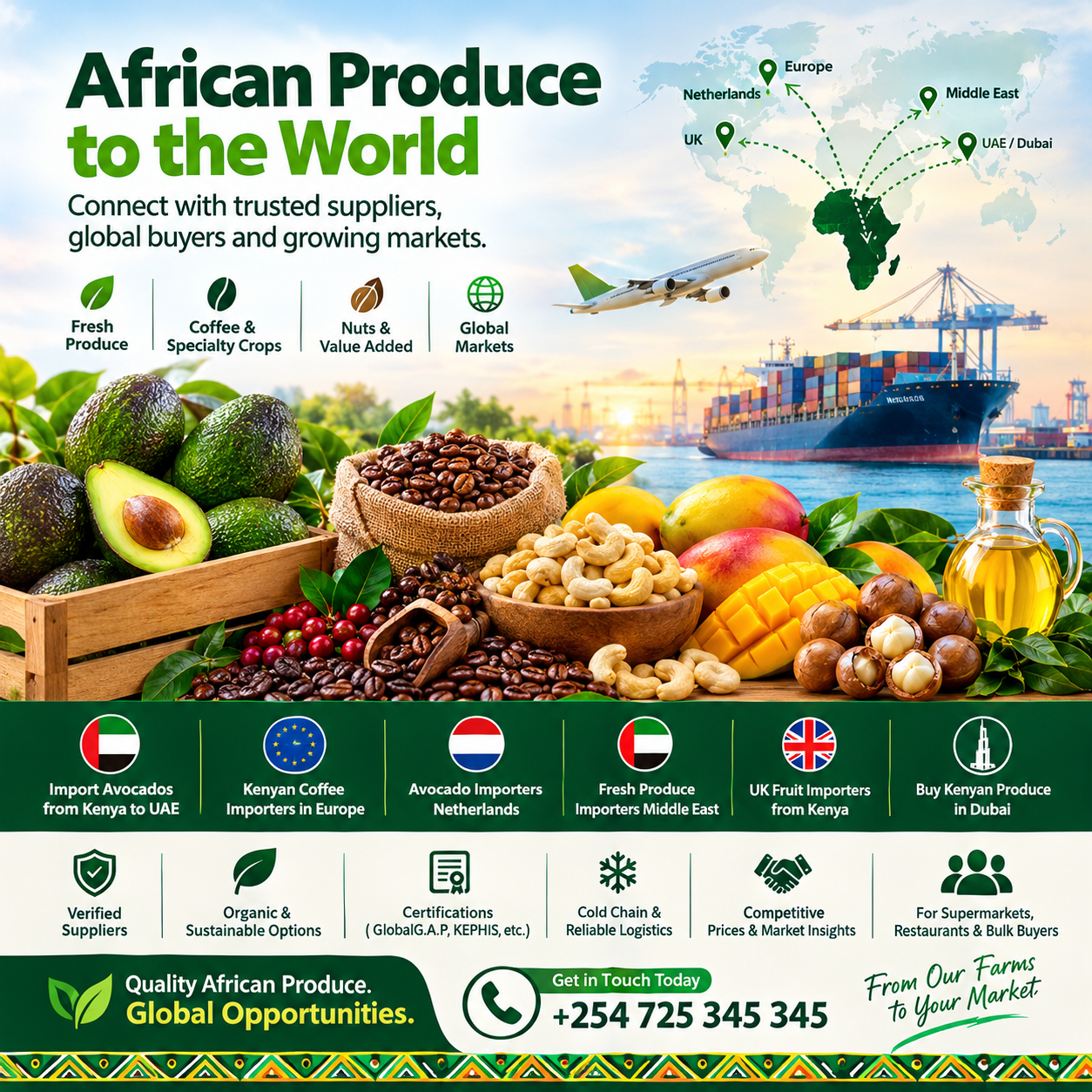
Air freight fresh produce Nairobi is the logistics engine behind one of Africa’s most remarkable trade stories — the overnight movement of Kenyan flowers, vegetables, and fruits from highland farms to breakfast tables in Europe and the Gulf. Every day, tons of perishable produce leave Nairobi’s airports and land — still fresh — in London, Dubai, Amsterdam, and beyond. That speed is Kenya’s structural advantage in the global fresh-produce trade, and understanding how it works is essential for every exporter, grower, and trader who intends to compete in it. This guide unpacks the complete system behind air freight fresh produce Nairobi — the produce, the cold chain, the airport, the airlines, the costs, and the workflow.
The stakes in this logistics layer are enormous. Fresh produce loses value by the hour, and the difference between a well-run consignment and a delayed one is measured in wilted leaves, spoiled fruit, and cancelled contracts. Exporters who master air freight fresh produce Nairobi operations win the buyers; those who guess at it fund the losses.
This guide is written for the operator’s side of the trade. We cover what actually travels by air and why, the cold chain that begins at the farm, and what happens inside Nairobi’s cargo facilities. We also cover the airlines and routes, what air freight genuinely costs, the booking workflow, documentation, consolidation for smaller exporters, and the decision framework for choosing between air and sea.
One honest note before we begin. Rates, schedules, terminal services, and handling charges all shift with seasons, fuel, and capacity — so confirm current specifics with freight forwarders, handling terminals, and the airlines before every season. That verification habit is what separates exporters whose air freight fresh produce Nairobi operations run predictably from those whose consignments gamble.
Why Nairobi Is Africa’s Perishables Capital
Nairobi’s position is no accident. The city sits at altitude with a cool climate that grows world-class produce, and its airport connects directly to the premium consuming markets of Europe and the Gulf. That geography-plus-connectivity combination is what built air freight fresh produce Nairobi into the continent’s leading perishables platform.
Jomo Kenyatta International Airport — JKIA — is the heart of the system. For years it has ranked among Africa’s busiest cargo gateways for perishables, moving cut flowers, vegetables, and fruit on daily departures. The flower trade alone — Kenya’s famous rose and carnation exports — flows overwhelmingly through air freight fresh produce Nairobi operations every single night.
The infrastructure around the airport has grown with the trade. Specialized perishable handling terminals offer cold rooms, temperature-controlled storage, and rapid transfer systems designed around the clock that fresh produce keeps. That purpose-built handling capacity is what makes air freight fresh produce Nairobi viable at commercial scale, season after season.
The surrounding ecosystem completes the picture. Freight forwarders, cold-chain specialists, packhouses, and certification services all cluster around the export corridor. That density of expertise is a genuine competitive advantage available to anyone building a business on air freight fresh produce Nairobi.
What Actually Travels by Air
Cut flowers are the flagship. Kenya is one of the world’s leading flower exporters, and roses, carnations, and summer flowers move almost entirely by air because their shelf life demands it. The volume and discipline of that flower trade is what trained the whole ecosystem of air freight fresh produce Nairobi.
Vegetables form the second pillar. French beans, snow peas, sugar snaps, baby corn, chillies, and herbs all fly out of Nairobi daily — tender produce whose value justifies the freight. That vegetable basket is the steady weekly backbone of air freight fresh produce Nairobi operations.
Fruit travels selectively. Avocados have largely shifted to sea freight as volumes grew, but premium, early-season, and ripeness-sensitive fruit still flies, alongside mangoes and specialty lines. Fruit exporters choosing between routes are really asking how their product fits the economics of air freight fresh produce Nairobi.
Specialty and niche produce completes the basket. Herbs, edible flowers, organic lines, and air-flown premium categories serve the high-end segments covered in our trade guides to Britain and the Gulf. That premium tier is where the highest margins of air freight fresh produce Nairobi trade concentrate.
Why Air Freight Wins for Perishables
Speed is the entire argument. Flights from Nairobi reach European cities overnight and Gulf capitals within hours, while sea freight takes weeks. For produce with a shelf life measured in days, air freight fresh produce Nairobi is not a premium option — it is the only option.
Speed converts directly into quality. Produce that arrives within a day of harvest reaches buyers with shelf life intact, commanding better prices and fewer rejections. That arrival-quality difference is the commercial core of air freight fresh produce Nairobi economics.
Speed also enables supply programs. Retail programs demand weekly — sometimes twice-weekly — deliveries of identical quality, which scheduled flights make possible. The continuity those programs require is what air schedules deliver for exporters running air freight fresh produce Nairobi into contract channels.
Speed reduces waste structurally. Shorter transit means less shrinkage, fewer quality claims, and less spoilage written off at arrival. Across a full season, that waste reduction is a significant part of the value proposition of air freight fresh produce Nairobi.
The Cold Chain Before the Airport
The airport is the middle of the cold chain, not the beginning. Pre-cooling at the farm — removing field heat within hours of harvest — is the single most important step in the entire journey. Produce that enters the chain warm never fully recovers, which is why the discipline starts long before air freight fresh produce Nairobi logistics begin.
Cold rooms at the packhouse hold the chain. Produce waits in temperature-controlled storage, packed into ventilated cartons designed for airflow and insulation. That farm-side infrastructure is the foundation of every successful consignment in air freight fresh produce Nairobi trade.
Packaging is thermal engineering in miniature. Insulated liners, cooling packs, and carton designs that breathe protect produce through ground transport, airport handling, and flight. Investment in proper packaging is what protects the product through every handling point in air freight fresh produce Nairobi journeys.
Ground transport closes the pre-airport chain. Refrigerated trucks or insulated transport move produce from packhouse to terminal on schedules matched to flight departures. That final-mile discipline is what delivers produce into air freight fresh produce Nairobi handling with the cold chain unbroken.
Inside JKIA: Handling and Facilities
The perishables terminals are built around the clock that produce keeps. Cold rooms at chilled temperatures, rapid transfer systems, and handling teams working night shifts mirror the flight departures they serve. That infrastructure is what allows air freight fresh produce Nairobi volumes to move through the airport without the cold chain pausing.
Handling speed is the terminal’s product. The gap between truck arrival and aircraft loading is measured in hours, and the systems exist to keep it that way. Every efficiency in that window protects the shelf life that buyers pay for in air freight fresh produce Nairobi consignments.
Storage capacity buffers the schedule. When flights delay or capacity tightens, cold rooms hold produce at spec until departure — the resilience layer of the system. That buffering capability is what keeps air freight fresh produce Nairobi operations functioning through the inevitable disruptions.
Confirm the current service landscape directly. Terminal operators, cold-room capacity, and service offerings evolve, so exporters should verify handling arrangements through their forwarders each season. That up-to-date knowledge is part of the professional management of air freight fresh produce Nairobi operations.
Airlines and Routes: The Network That Serves the Trade
The route network is remarkably deep. European destinations — London, Amsterdam, Paris, Frankfurt — receive overnight flights carrying Kenya’s produce, while Gulf destinations in Dubai, Doha, and Jeddah sit a few hours closer. That network depth is what gives exporters real choice within air freight fresh produce Nairobi logistics.
Both dedicated cargo and passenger belly-hold capacity serve the trade. Wide-body passenger flights carry substantial produce loads in their bellies, while freighter operations add pure capacity on key routes. That dual-capacity structure is what gives air freight fresh produce Nairobi the volume flexibility the export calendar demands.
Schedules shape the trade’s rhythm. Night departures align with daytime packing, morning arrivals align with European distribution, and the whole chain beats to that schedule. Exporters build their packhouse calendars around the air freight fresh produce Nairobi departure rhythm.
Route choice is a commercial decision. Different airlines and routes carry different rates, transit times, and handling quality — and matching consignments to the right route is part of export craft. That route-selection judgment is a daily skill within air freight fresh produce Nairobi operations.
What Air Freight Actually Costs
Air freight is priced per kilogram — with a critical nuance. Carriers charge on the greater of actual weight or volumetric weight, so bulky, light produce pays for the space it occupies rather than what it weighs. Understanding that chargeable-weight logic is the first lesson in the economics of air freight fresh produce Nairobi.
Beyond the base rate, a stack of charges applies. Fuel surcharges, security fees, handling charges at both airports, documentation fees, and delivery legs all belong in the landed calculation. Exporters who model the complete cost stack price correctly — the arithmetic discipline behind sustainable air freight fresh produce Nairobi operations.
Rates move with seasons and capacity. Peak flower seasons tighten capacity and lift rates, while quieter windows reward flexible shippers with better pricing. Confirming current rates per route per season is the verification habit of exporters who manage air freight fresh produce Nairobi costs professionally.
The honest comparison is against the value of the produce. Air freight costs multiples of sea freight per kilogram — and for produce worth several times the freight, the premium repays itself in quality and shelf life. That value-to-freight test is the real pricing logic of air freight fresh produce Nairobi economics.
The Booking Workflow: From Packhouse to Aircraft
The workflow begins with the booking. Exporters or their forwarders reserve cargo space with airlines or through consolidators, matching consignment volumes to flight schedules days ahead. That booking discipline is the first operational step in every air freight fresh produce Nairobi cycle.
Documentation moves in parallel. Export permits, phytosanitary arrangements, and consignment details are prepared while the produce grows and packs — the paper chain covered in our KEPHIS and certificate guides. That parallel processing is what keeps air freight fresh produce Nairobi consignments from waiting on paperwork at the end.
Packing and pre-cooling complete the preparation. Produce is harvested, cooled, packed, and loaded for the terminal on a schedule matched to the flight. Every hour in that sequence is managed deliberately — the operational tempo of air freight fresh produce Nairobi work.
At the terminal, handling takes over. Cargo is received, screened, stored cold, built into unit loads, and delivered to the aircraft for departure. By the time wheels leave Nairobi’s runway, the success of the air freight fresh produce Nairobi consignment has been decided by every step before it.
Documentation: The Paper That Flies Too
The airway bill is the consignment’s travel document. It identifies the shipper, the consignee, the cargo, and the flight — and it governs the cargo’s custody from terminal to destination. That document is the logistical spine of every air freight fresh produce Nairobi shipment.
The phytosanitary certificate travels alongside. Issued through KEPHIS after inspection — the process covered fully in our certificate guide — it satisfies the plant health requirements of the destination. That pairing of logistics and compliance documents is standard in every air freight fresh produce Nairobi consignment.
Export permits and origin documents complete the file. Horticulture licensing, certificates of origin under trade agreements, and commercial invoices round out the pack that customs authorities on both ends expect. Keeping that file complete and consistent is the administrative discipline of professional air freight fresh produce Nairobi exporters.
Consolidation: The Small Exporter’s Entry Route
Full airfreight commitments can exceed what smaller exporters need. Consolidators — groupage operators who combine many exporters’ boxes into single consignments — solve that problem by selling space by the box. That consolidation model is the entry route for newcomers to air freight fresh produce Nairobi logistics.
Consolidation changes the economics of smallness. A grower shipping a few dozen boxes pays only for those boxes while riding the consolidator’s rates, schedules, and handling relationships. That access is what lets small producers participate in air freight fresh produce Nairobi trade from their very first harvest.
The trade-off is control. Consolidated cargo follows the consolidator’s schedule rather than the grower’s own, and coordination requirements increase. Weighing that trade honestly is part of choosing the right air freight fresh produce Nairobi pathway for each business stage.
Peak Season Management
Peak seasons compress the entire system. Valentine’s Day, Mother’s Day, and festive windows multiply volumes — and with them, competition for space, pressure on handling, and rate increases. Exporters who plan capacity and bookings weeks ahead of peaks are the ones whose air freight fresh produce Nairobi consignments fly on schedule.
Flexibility is the peak-season currency. Confirming bookings early, building buffer into schedules, and maintaining backup route options keeps consignments moving when systems strain. That forward planning is the operational discipline of experienced air freight fresh produce Nairobi operators.
Communication with buyers completes peak management. Warning customers early about capacity constraints and adjusted delivery windows preserves relationships through the pressure. That transparency is the relationship practice of professional air freight fresh produce Nairobi exporters.
Choosing a Freight Forwarder
The forwarder is the exporter’s operational partner, and the choice matters more than the rate. Perishable experience, airline relationships, terminal performance, and problem-solving at midnight are what separate forwarders who protect consignments from those who book and hope. That partner selection is one of the highest-leverage decisions in air freight fresh produce Nairobi operations.
Vet forwarders the way buyers vet you. Ask for perishable references, confirm who handles the cargo at both ends, and get service commitments in writing. That vetting habit is the risk management of exporters who depend on air freight fresh produce Nairobi for their income.
Test with real consignments. A trial shipment through a candidate forwarder reveals booking reliability, handling quality, and communication before larger volumes commit. That trial discipline is how professional exporters choose among air freight fresh produce Nairobi partners.
Air or Sea: The Decision Framework
The decision starts with shelf life. Produce with days of life flies; produce with weeks of life can sail — the first and most honest filter in the framework. That shelf-life test is why greens and herbs fly while avocados mostly sail out of air freight fresh produce Nairobi planning.
Value density is the second filter. High-value produce per kilogram absorbs airfreight costs; low-value bulk cannot. That value-to-freight ratio is the arithmetic heart of the air-versus-sea decision for every product leaving through air freight fresh produce Nairobi.
Program requirements are the third filter. Standing retail programs with weekly delivery windows require air schedules, while spot-market volumes can follow the cheapest route. Matching the route to the channel is the strategic discipline of exporters running both through air freight fresh produce Nairobi and sea freight simultaneously.
Common Mistakes to Avoid
Mistake one is breaking the cold chain at the farm. No airport terminal can restore freshness that pre-cooling skipped. Farm-side discipline is the first commandment of air freight fresh produce Nairobi success.
Mistake two is treating documentation as a departure-day task. Permits and certificates arranged late strand packed produce on the ground while flights leave without it. The parallel paperwork rhythm covered in our KEPHIS guides is what keeps air freight fresh produce Nairobi consignments moving on schedule.
Real Scenarios from Real Operations
Picture a French bean exporter in Naivasha running a weekly European program. Pre-cooled harvests, insulated transport, and a forwarder with night-terminal access deliver her produce to London supermarkets within thirty hours of picking. That end-to-end tempo is the standard achieved by serious air freight fresh produce Nairobi operators.
Picture a young herb grower in Limuru with her first export order and no logistics experience. Through a consolidator, her first eighty boxes flew to Dubai within the week — and the repeat order arrived before the payment cleared. Entry like that is the consolidator pathway into air freight fresh produce Nairobi working as designed.
The Road Ahead
The system keeps modernizing. Electronic documentation, improved cold-chain technology, and capacity growth continue to compress the gap between harvest and arrival. Exporters who run disciplined air freight fresh produce Nairobi — properly phrased: disciplined air freight fresh produce Nairobi operations — today will ride that improvement curve first.
And the corridor rewards those with wider interests managed well. Exporters who also hold farms, property, and rental assets increasingly run their whole portfolio on the same documented, digital footing — through platforms such as rentaldesk.co.ke for the property side of that life. Pairing logistics mastery with that broader visibility takes you from flying boxes to building a diversified export enterprise — flight by flight, season by season.
Frequently Asked Questions
How long does air freight take from Nairobi to major markets?
Overnight to European cities and a few hours to Gulf destinations, with door-to-door timings shaped by packing, terminal handling, and destination clearance. Confirm current schedules with your forwarder per route. That speed is the defining advantage of air freight fresh produce Nairobi logistics.
What does it cost to fly produce out of Nairobi?
Rates are charged per kilogram on actual or volumetric weight — whichever is greater — plus fuel, security, and handling charges, and they move with seasons and capacity. Model the full cost stack and confirm current rates with forwarders per route. That complete-cost modeling is the financial discipline of professional air freight fresh produce Nairobi operations.
Can small farmers use air freight, or is it only for big exporters?
Small farmers fly regularly through consolidators who sell space by the box, giving newcomers access to schedules, rates, and handling built for larger volumes. Start small, prove the quality, and grow into direct bookings. That consolidation pathway is the entry route into air freight fresh produce Nairobi for producers of every size — and for the wider Kenyan business interests behind the trade, platforms such as rentaldesk.co.ke carry the same visibility across farms, property, and holdings.