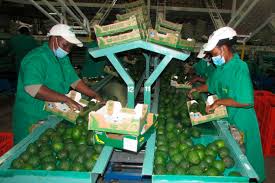
International Buyers for African Fruits: A Complete Guide to Export Opportunities and Global Demand
African fruits are rapidly gaining popularity in global markets due to their unique flavours, nutritional benefits, and year‑round availability. With tropical climates and diverse ecosystems, Africa produces some of the world’s most sought‑after fruits—including mangoes, pineapples, avocados, bananas, passion fruit and more. As global demand for healthy food and exotic produce increases, international buyers for African fruits are actively seeking reliable suppliers from the continent.
In this definitive guide, we explore who international buyers are, what they want, how African exporters can attract them, and how businesses can build long‑term trade partnerships.
Why International Buyers Are Interested in African Fruits
Today’s global marketplace is driven by consumer trends that prioritise health, sustainability, and year‑round fresh produce. African fruits meet all these demands:
1. Rich Variety of Exotic Fruits
Africa’s tropical climate supports fruits that many temperate countries cannot grow. This makes African fruit highly attractive for international buyers looking for:
-
Mangoes (especially organic & specialty varieties)
-
Pineapples (extra sweet and premium grades)
-
Avocados (Hass and other high‑oil varieties)
-
Passion fruits
-
Papayas
-
Dragon fruit
-
Baobab and other functional fruits
These fruits are not only delicious but often contain high vitamins, antioxidants, and unique flavour profiles that appeal to health‑conscious consumers globally.
2. Off‑Season Supply Advantage
Due to differing harvest seasons, African producers can fill supply gaps in Europe, Asia, and North America when local fruit is out of season. This steady availability attracts international buyers for African fruits, especially in fresh produce import markets.
3. Growing Demand for Healthy and Organic Foods
Global buyers increasingly demand organic and sustainably farmed produce. African fruit growers are ideally positioned to meet this demand due to their ability to cultivate fruit with minimal chemical inputs and adopt agro‑ecological farming practices.
Who Are the International Buyers for African Fruits?
International buyers come from various sectors, each with unique purchasing criteria and supply needs:
1. Importers and Distributors
These are companies that specialise in importing fruit and distributing it to supermarkets, wholesalers, and fresh markets in target regions. They often handle logistics, cold chain management, and regulatory compliance.
2. Supermarket Chains
Large retail chains in Europe, North America, and the Middle East source fresh fruits directly from African exporters to supply their stores with year‑round produce.
3. Wholesale Markets
Major wholesale fruit hubs like Rungis (France), Dubai Fruit & Vegetable Market, and Chicago’s wholesale districts source large volumes of African fruit for resale.
4. Online Fresh Produce Platforms
E‑commerce penetration has opened new channels. Online fresh fruit retailers and fruit box subscription services seek exotic and organic fruit suppliers from Africa.
5. Food Processing Companies
Buyers in the juices, canned fruit, and ready‑to‑eat fruit processing sector require high volumes of consistent quality. Examples include global beverage companies and fruit snack producers.
6. Export Agents and Brokers
Many international buyers operate through brokers who bridge African producers with global markets, negotiate pricing, and ensure compliance with import standards.
Top Export Markets for African Fruits
Understanding where international buyers for African fruits are concentrated helps exporters strategically position their products.
1. Europe
Europe is the largest importer of tropical fruit from Africa, especially countries like the Netherlands, UK, France, and Germany. The EU has well‑developed cold chain logistics and high demand for mangoes, pineapples, and avocados.
2. Middle East
Countries like Saudi Arabia, UAE, and Qatar show high demand for fresh and premium fruit. Seasonal gaps and high income levels make this region ideal for African fruit exports.
3. Asia
China, Japan, and South Korea are growing markets for exotic fruits, particularly avocados and mangoes. Asian buyers value quality, packaging innovation, and consistent supply.
4. North America
Although there are strict import regulations, the US and Canada remain key markets for African fruit exporters seeking higher unit prices and large buyer networks.
What International Buyers Look for in African Fruit Suppliers
To attract international buyers, African exporters must understand buyer expectations:
1. Quality and Consistency
Buyers expect uniform size, colour, flavour, and extended shelf life. Grading, sorting, and quality control are essential.
2. Compliance with Standards
International markets require compliance with:
-
Global food safety standards (e.g., GlobalG.A.P., HACCP)
-
Phytosanitary certifications
-
Traceability systems (from farm to fork)
-
Pesticide residue testing
Meeting these requirements opens doors to major buyers.
3. Reliable Logistics and Cold Chain
Delayed shipments can result in spoiled fruit. Buyers prefer suppliers with refrigerated transport, reliable freight forwarding, and careful handling.
4. Competitive Pricing
African fruit exporters must balance quality with competitive pricing to appeal to bulk buyers. Transparent pricing and cost breakdowns increase buyer confidence.
5. Packaging and Branding
Modern packaging enhances shelf appeal. Buyers often seek value‑added packaging like pre‑packed fruit trays, gift packs, or export‑grade cartons.
How African Fruit Exporters Can Find International Buyers
Expanding into global markets requires strategic marketing and networking. Here are proven ways African fruit exporters can connect with international buyers:
1. Attend International Trade Fairs
Major produce trade shows help exporters meet buyers face‑to‑face. Key events include:
-
Fruit Logistica (Germany)
-
Global Produce & Floral Show (US)
-
Asia Fruit Logistica (Hong Kong)
These events attract thousands of importers, exporters, distributors, and industry professionals.
2. Join Export Associations
National fruit grower associations and export councils often maintain buyer databases and organise trade missions:
-
African Continental Free Trade Area (AfCFTA) initiatives
-
National horticulture boards in Kenya, South Africa, Ghana, etc.
-
Export promotion councils
3. Use Online B2B Platforms
Digital sourcing platforms connect suppliers with global buyers:
-
Alibaba
-
TradeKey
-
Global Trade Plaza
Optimised company profiles, product listings, and competitive pricing help attract enquiries.
4. Invest in Digital Marketing
A professional export website with SEO‑optimized content (keyword rich pages targeting “international buyers for African fruits”) increases visibility. Content marketing, social media presence, and targeted email campaigns can attract buyers seeking specific fruit types.
5. Partner with Export Agents
Experienced export agents or sourcing companies in Europe, Middle East, or Asia can introduce African producers to established buyer networks and negotiate contracts.
Key African Fruits in High Demand
Different fruits perform better in specific markets. Understanding this can help exporters tailor their strategies.
1. Mangoes
Mangoes are among Africa’s top‑selling fruits. Varieties like Kent, Tommy Atkins, and Alphonso are particularly popular in Europe and the Middle East.
2. Avocados
Global appetite for avocados continues to rise. African producers can benefit from high prices, especially for Hass avocados that fetch premium rates.
3. Pineapples
Extra sweet African pineapples are attractive for fresh consumption and processing for juices and canning.
4. Bananas and Plantains
Although Latin America dominates banana exports, regional African markets are growing. Cross‑border trade opens opportunities.
5. Passion Fruits
Used for juices, desserts, and flavouring, passion fruit is valuable to processors and fresh traders.
6. Exotic and Specialty Fruits
Fruits like baobab, tamarind, guava, and jackfruit are gaining interest in health food markets due to their nutritional profiles.
Case Study: How Kenya and Ghana Are Growing Fruit Exports
Many African nations have begun structuring export industries to attract international buyers for African fruits:
Kenya
Kenya has developed export zones with cold storage and packing houses near ports. Mango and avocado exports to Europe have grown due to improved compliance and logistics.
Ghana
Ghana has invested in preprocessing facilities and quality control to ensure export‑ready pineapple and mango consignments.
These strategies show:
-
Government support is crucial
-
Investment in infrastructure drives export growth
-
Partnerships with freight and logistics firms reduce supply chain risks
Challenges Faced by African Fruit Exporters (and Solutions)
Exporting to global buyers isn’t without hurdles. Here are common challenges and ways to overcome them:
1. Poor Infrastructure
Limited roads, cold stores, and port facilities can delay shipments.
Solution: Joint investment by government and private sector in refrigerated logistics and export hubs.
2. Certification and Compliance Costs
Obtaining GlobalG.A.P. and other certifications can be expensive.
Solution: Group certification programmes and shared compliance services reduce costs for small growers.
3. Market Price Volatility
Fruit prices vary by region and season.
Solution: Export contracts with fixed prices and forward sales agreements improve revenue predictability.
4. Limited Market Intelligence
Many producers don’t have access to global price data and buyer behaviour.
Solution: Subscribe to export market reports and join trade associations for insights.
How to Write an Export Proposal for International Buyers
Winning buyers often depends on a professional export proposal. A strong proposal should include:
-
Company profile
-
Product specifications and certifications
-
Quality assurance practices
-
Sample pricing and volume availability
-
Logistics plan (transport, packaging, delivery timeline)
-
Payment terms and insurance
Customising proposals to highlight quality, compliance, and reliability increases the chances of securing orders.
The Future of African Fruit Exports
As global demand for healthy, sustainably sourced foods continues to grow, the market for African fruit exports looks bright. Technological improvements—such as digital supply chain tracking, drone orchards, and predictive harvest analytics—will help farmers deliver better quality fruit with less waste.
Moreover, trade agreements like the African Continental Free Trade Area (AfCFTA) may reduce intra‑African tariffs and make it easier for producers to scale operations and reach new buyers.
Conclusion: Securing International Buyers for African Fruits
In summary, international buyers for African fruits are actively seeking consistent, quality produce to supply supermarkets, wholesale markets, processors, and online platforms worldwide. Africa’s competitive advantage lies in its rich biodiversity, favourable climates, and untapped export potential.
To capitalise on this trend:
✅ Understand global buyer needs
✅ Meet certification and compliance standards
✅ Improve cold chain and logistics systems
✅ Market strategically through digital and trade channels
✅ Build long‑term relationships with buyers
By aligning production capabilities with global demand, African fruit exporters can access lucrative international markets, increase export revenues, and contribute to agricultural economic growth across the continent.