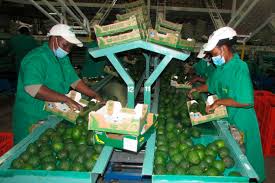
Fruit Export Marketplace: Transforming Global Fresh Fruit Trade
A fruit export marketplace is transforming how farmers, exporters, and buyers connect across borders. With the rapid growth of digital trade platforms, businesses can now source fresh fruits directly from trusted suppliers worldwide. Whether you’re a fruit exporter, wholesaler, importer, or retailer, using a fruit export marketplace simplifies transactions, improves transparency, and increases profitability.
Today’s global fruit industry demands speed, efficiency, and quality assurance. A reliable fruit export marketplace bridges the gap between producers and international buyers, enabling smooth trade operations and ensuring fresh produce reaches markets quickly.
This guide explores everything you need to know about fruit export marketplaces, their benefits, features, and how they support global fruit trading success.
What is a Fruit Export Marketplace?
A fruit export marketplace is an online platform where fruit exporters, farmers, distributors, and buyers can connect to buy and sell fresh fruits internationally. It acts as a centralized hub where suppliers list their products and buyers browse available fruit varieties.
These platforms typically support:
- Global fruit sourcing
- Supplier verification
- Order management
- Logistics coordination
- Payment processing
- Quality assurance
By using a fruit export marketplace, businesses eliminate middlemen and access direct suppliers, improving both pricing and product quality.
How a Fruit Export Marketplace Works
Understanding how a fruit export marketplace functions helps businesses maximize its potential.
Step 1: Supplier Registration
Farmers or exporters register on the platform and create business profiles. They upload details such as:
- Company name
- Location
- Certifications
- Fruit varieties
- Export capacity
This helps buyers evaluate suppliers before making purchases.
Step 2: Product Listing
Suppliers list available fruits with detailed information such as:
- Fruit type
- Harvest date
- Packaging type
- Minimum order quantity
- Price per unit
- Export destination availability
This transparency helps buyers make informed decisions.
Step 3: Buyer Search and Selection
Buyers browse listings using filters such as:
- Fruit type
- Country of origin
- Price range
- Quality certifications
- Delivery timelines
This makes sourcing fruits faster and more efficient.
Step 4: Order Placement
Once buyers find suitable suppliers, they place orders through the marketplace. The system generates invoices and tracks orders.
Step 5: Logistics and Shipping
Most fruit export marketplaces integrate logistics services, including:
- Freight forwarding
- Cold chain shipping
- Customs documentation
- Delivery tracking
This ensures fruits remain fresh during transport.
Step 6: Payment Processing
Secure payment gateways protect both buyers and suppliers. Payments are often released only after delivery confirmation.
Benefits of Using a Fruit Export Marketplace
Using a fruit export marketplace offers significant advantages for both suppliers and buyers.
1. Global Market Access
Fruit exporters can reach buyers worldwide without setting up physical offices in multiple countries.
This expands business opportunities and increases revenue potential.
2. Reduced Operational Costs
Traditional export processes involve multiple intermediaries, increasing costs. A fruit export marketplace reduces these extra expenses.
Benefits include:
- Lower marketing costs
- Reduced communication expenses
- Faster order processing
- Improved pricing transparency
3. Improved Supply Chain Efficiency
Modern fruit export marketplaces streamline the supply chain by integrating:
- Inventory management
- Logistics coordination
- Order tracking
- Delivery scheduling
This improves efficiency and reduces delays.
4. Enhanced Transparency
Buyers can verify supplier details, certifications, and product history before making purchases.
This reduces fraud and increases trust.
5. Faster Transactions
Digital systems automate documentation, payments, and logistics coordination.
This speeds up the export process significantly.
Types of Fruits Sold in a Fruit Export Marketplace
A typical fruit export marketplace supports a wide variety of fresh fruits.
Tropical Fruits
These fruits are popular in global markets.
Examples include:
- Mangoes
- Pineapples
- Avocados
- Bananas
- Papayas
Tropical fruits are highly demanded due to their flavor and nutritional value.
Citrus Fruits
Citrus fruits are widely exported worldwide.
Examples:
- Oranges
- Lemons
- Limes
- Grapefruits
These fruits are known for their vitamin content and long shelf life.
Berries
Berries are premium fruits often sold at high market value.
Examples:
- Strawberries
- Blueberries
- Raspberries
- Blackberries
They require proper cold storage during shipping.
Stone Fruits
Stone fruits are also common in international trade.
Examples:
- Peaches
- Plums
- Apricots
- Cherries
These fruits are seasonal and highly valued.
Key Features of a Reliable Fruit Export Marketplace
Choosing the right fruit export marketplace is essential for business success.
Look for the following features:
Verified Supplier Profiles
Trust is crucial in international trade. A reliable marketplace verifies suppliers through:
- Business registration checks
- Certification validation
- Quality inspections
This ensures credibility.
Secure Payment Systems
Security is essential when handling large transactions.
Reliable platforms offer:
- Escrow payment services
- Multiple payment options
- Fraud protection
These systems protect buyers and sellers.
Logistics Integration
A good fruit export marketplace includes logistics tools such as:
- Shipment tracking
- Freight booking
- Route planning
- Delivery updates
This improves operational efficiency.
Quality Assurance Tools
Maintaining fruit quality during export is critical.
Quality tools include:
- Inspection reports
- Temperature tracking
- Packaging standards
- Certification records
Real-Time Communication
Communication tools allow buyers and suppliers to negotiate directly.
Features include:
- Chat systems
- Video calls
- Instant messaging
- Document sharing
Why Fruit Export Marketplaces Are Growing Rapidly
The demand for fruit export marketplaces is increasing globally due to several factors.
Increasing Global Fruit Demand
Consumers worldwide are seeking fresh fruits year-round.
This drives international fruit trade growth.
Digital Transformation in Agriculture
Technology adoption in agriculture supports digital marketplaces.
Farmers can now connect directly with global buyers.
Improved Logistics Infrastructure
Modern shipping solutions allow fruits to reach distant markets quickly.
Cold chain logistics plays a major role in preserving fruit quality.
Growth of Online B2B Trade
Businesses prefer digital platforms due to convenience and transparency.
This trend supports fruit export marketplace expansion.
How to Choose the Best Fruit Export Marketplace
Selecting the right platform ensures successful trading.
Evaluate Supplier Network
Choose a marketplace with a large and diverse supplier base.
This provides:
- More product choices
- Competitive pricing
- Reliable supply chains
Check Platform Security
Security should be a top priority.
Look for:
- SSL encryption
- Secure payment gateways
- Data protection policies
Review Logistics Capabilities
Reliable shipping is critical in fruit exports.
Ensure the marketplace supports:
- Cold chain logistics
- Customs clearance
- Delivery tracking
Analyze Customer Support
Responsive support improves business operations.
Look for platforms offering:
- 24/7 customer service
- Technical assistance
- Trade guidance
Challenges in Fruit Export Marketplaces
While fruit export marketplaces offer many benefits, businesses must address certain challenges.
Maintaining Fruit Freshness
Fresh fruits require careful handling and temperature control.
Poor storage can lead to losses.
Regulatory Compliance
Export regulations vary across countries.
Businesses must follow:
- Import/export laws
- Packaging requirements
- Health certifications
Price Fluctuations
Fruit prices can change due to:
- Seasonal supply
- Weather conditions
- Market demand
Marketplaces help manage these changes through real-time updates.
The Role of Technology in Fruit Export Marketplaces
Technology plays a vital role in improving fruit export marketplaces.
Artificial Intelligence
AI helps predict demand and optimize supply chains.
This improves inventory management.
Blockchain Technology
Blockchain enhances transparency by recording transaction histories.
This prevents fraud and improves trust.
Internet of Things (IoT)
IoT sensors monitor:
- Temperature
- Humidity
- Storage conditions
This ensures fruit quality during transport.
Data Analytics
Analytics tools help businesses:
- Track sales trends
- Monitor demand
- Optimize pricing strategies
Who Can Benefit from a Fruit Export Marketplace?
A fruit export marketplace serves various stakeholders.
Farmers
Farmers can:
- Sell directly to international buyers
- Increase profits
- Reduce dependency on middlemen
Exporters
Exporters gain access to:
- Global buyers
- New markets
- Faster transactions
Importers
Importers benefit from:
- Multiple supplier options
- Competitive pricing
- Reliable supply chains
Retailers
Retailers can source fresh fruits directly from producers.
This improves product quality and customer satisfaction.
Future Trends in Fruit Export Marketplaces
The future of fruit export marketplaces looks promising.
Expansion of Digital Trade Platforms
More businesses are moving to online marketplaces.
This increases global participation.
Automation of Supply Chains
Automation reduces human errors and improves efficiency.
This enhances delivery accuracy.
Sustainable Packaging Solutions
Eco-friendly packaging is becoming more popular.
This supports environmental sustainability.
Growth of Mobile-Based Trading
Mobile platforms allow businesses to trade anytime, anywhere.
This increases flexibility.
Why Businesses Should Invest in a Fruit Export Marketplace
Investing in a fruit export marketplace is a strategic move for businesses seeking global expansion.
Benefits include:
- Increased visibility
- Higher revenue potential
- Improved supply chain management
- Stronger customer relationships
Businesses that adopt digital marketplaces stay competitive in modern trade environments.
Conclusion: The Importance of Fruit Export Marketplaces in Global Trade
A fruit export marketplace is essential for modern agricultural trade. It simplifies international fruit sourcing, improves supply chain efficiency, and connects businesses worldwide.
As technology continues to evolve, fruit export marketplaces will play an even greater role in global trade. Businesses that leverage these platforms gain a competitive advantage and access to broader markets.
Whether you are a farmer, exporter, or importer, adopting a fruit export marketplace helps you grow your business, improve efficiency, and meet global demand for fresh fruits.