Table of Contents
ToggleConnect with African Fruit Exporters: A Complete Guide for Global Buyers and Traders
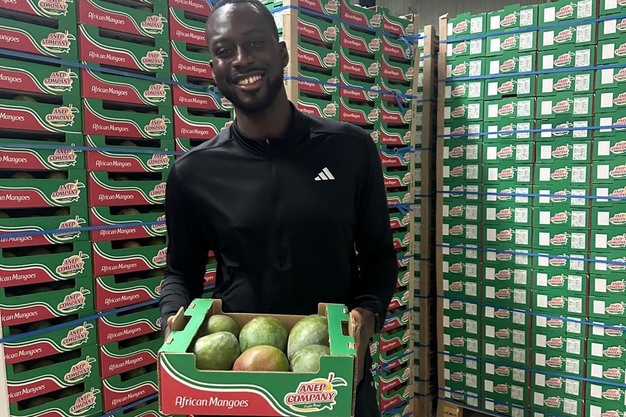

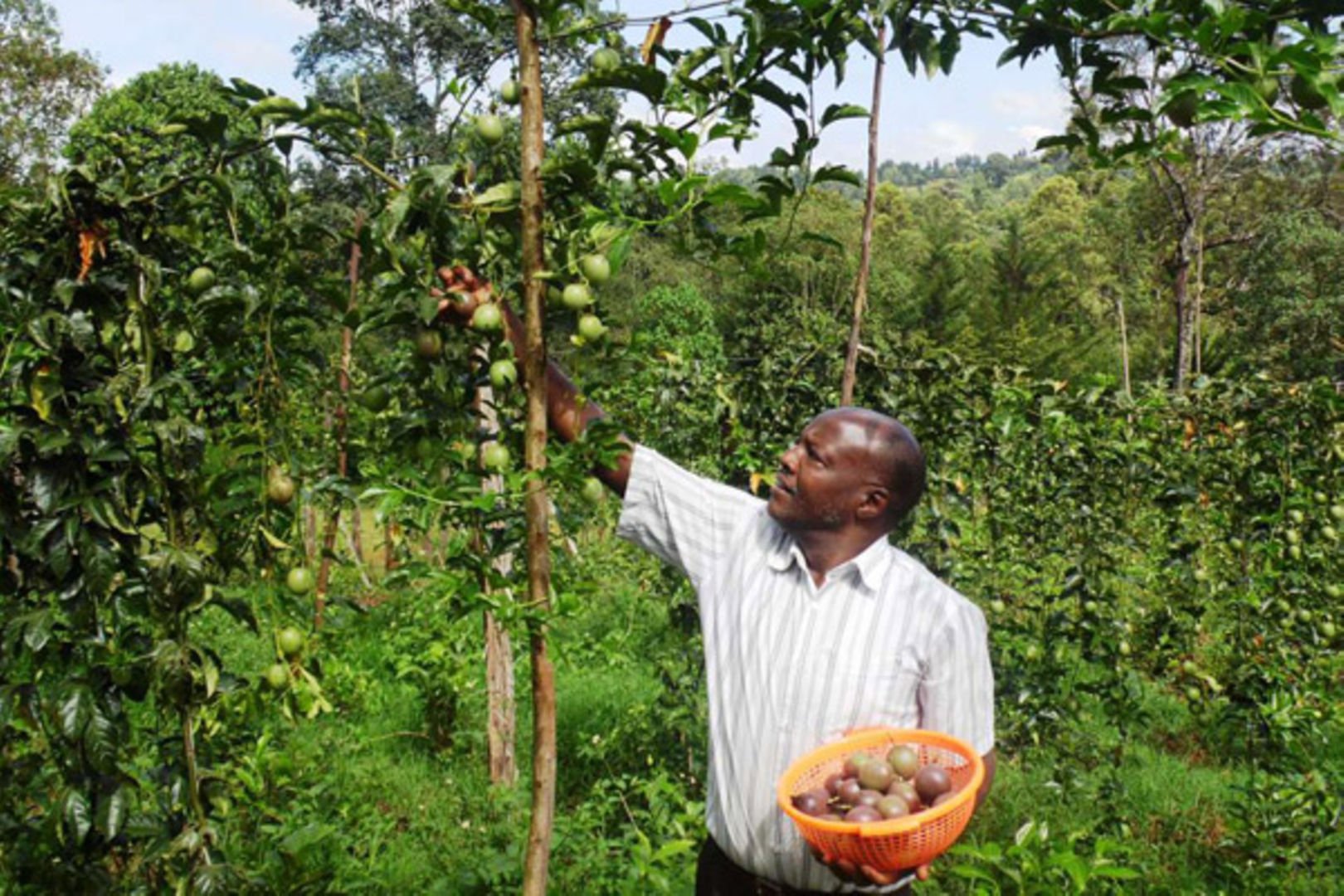
The global demand for fresh, organic, and tropical fruits is growing rapidly. Businesses around the world are increasingly looking to connect with African fruit exporters to access high-quality produce such as mangoes, avocados, pineapples, bananas, passion fruits, and citrus fruits. Africa’s favorable climate, fertile soil, and expanding agricultural sector make it one of the most promising regions for fruit export.
Whether you are an importer, wholesaler, supermarket chain, or food distributor, building reliable partnerships with African fruit exporters can open doors to consistent supply, competitive pricing, and premium quality products.
This guide explores how to connect with African fruit exporters, the benefits of sourcing fruit from Africa, the top exporting countries, and the best strategies for establishing long-term trade relationships.
Why Global Buyers Want to Connect with African Fruit Exporters
Africa produces some of the world’s most flavorful tropical fruits. Countries such as Kenya, South Africa, Ghana, Egypt, Morocco, and Ivory Coast export millions of tons of fruit annually.
Here are the main reasons why international buyers are looking to connect with African fruit exporters.
1. High-Quality Tropical Fruits
African farms produce premium tropical fruits known for their natural sweetness and freshness. Many exporters follow international standards such as:
-
GlobalG.A.P certification
-
Organic certification
-
Fair Trade standards
-
HACCP food safety compliance
These certifications ensure fruits meet strict quality and safety requirements for export markets.
2. Year-Round Production
Africa’s diverse climates allow fruits to be grown throughout the year. This means international buyers can rely on consistent supply even when other regions are out of season.
For example:
-
Kenya supplies avocados during European off-season
-
Egypt exports citrus during winter months
-
Ghana exports pineapples throughout the year
This makes Africa an essential supplier for global fruit markets.
3. Competitive Pricing
Compared to many regions, production costs in Africa are lower, allowing exporters to offer competitive prices without compromising quality.
Buyers who connect directly with African fruit exporters often benefit from:
-
Lower procurement costs
-
Better margins
-
Direct farm sourcing
-
Flexible order quantities
Popular Fruits Exported from Africa
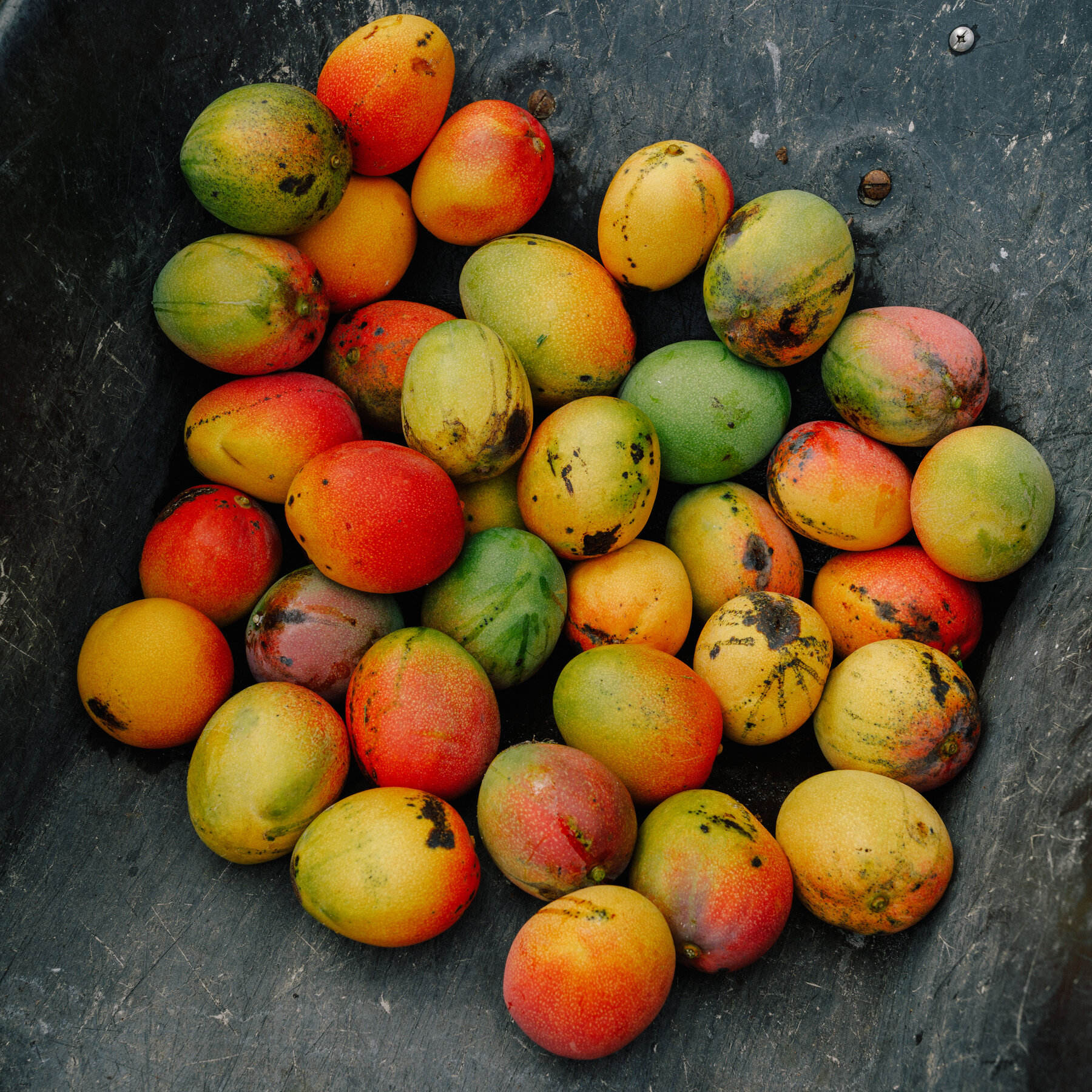
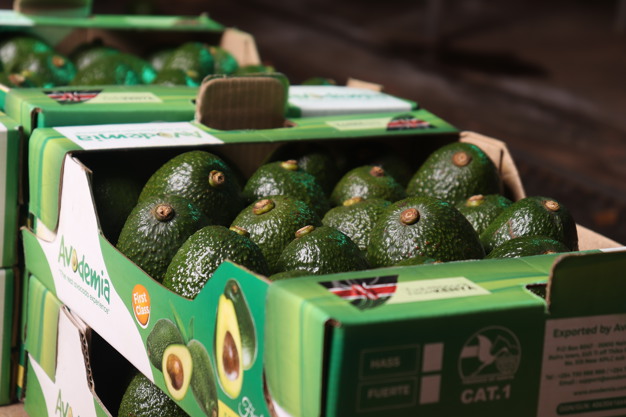

African fruit exporters supply a wide range of fruits to international markets.
Mangoes
African mangoes are widely exported to Europe, the Middle East, and Asia. Popular varieties include:
-
Kent
-
Keitt
-
Tommy Atkins
These mangoes are prized for their sweetness and fiber-free texture.
Avocados
Africa has become one of the largest avocado exporting regions. Kenyan and South African avocados, particularly Hass avocados, are in high demand.
Avocados are exported to:
-
Europe
-
China
-
Middle East
-
Russia
Pineapples
African pineapples are known for their vibrant flavor and high juice content. Ghana and Ivory Coast are among the top exporters.
They are widely used in:
-
Fresh fruit markets
-
Juice production
-
Hospitality industry
Bananas
Bananas from Africa are exported to many international markets. They are popular due to:
-
Strong shelf life
-
Uniform size
-
Sweet taste
Passion Fruits
Passion fruits are increasingly exported from Kenya and Uganda to Europe for use in beverages, desserts, and culinary dishes.
Top African Countries Exporting Fruits
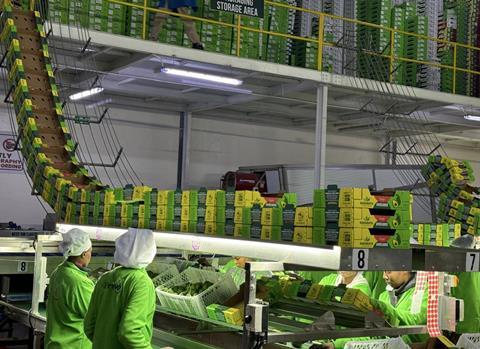
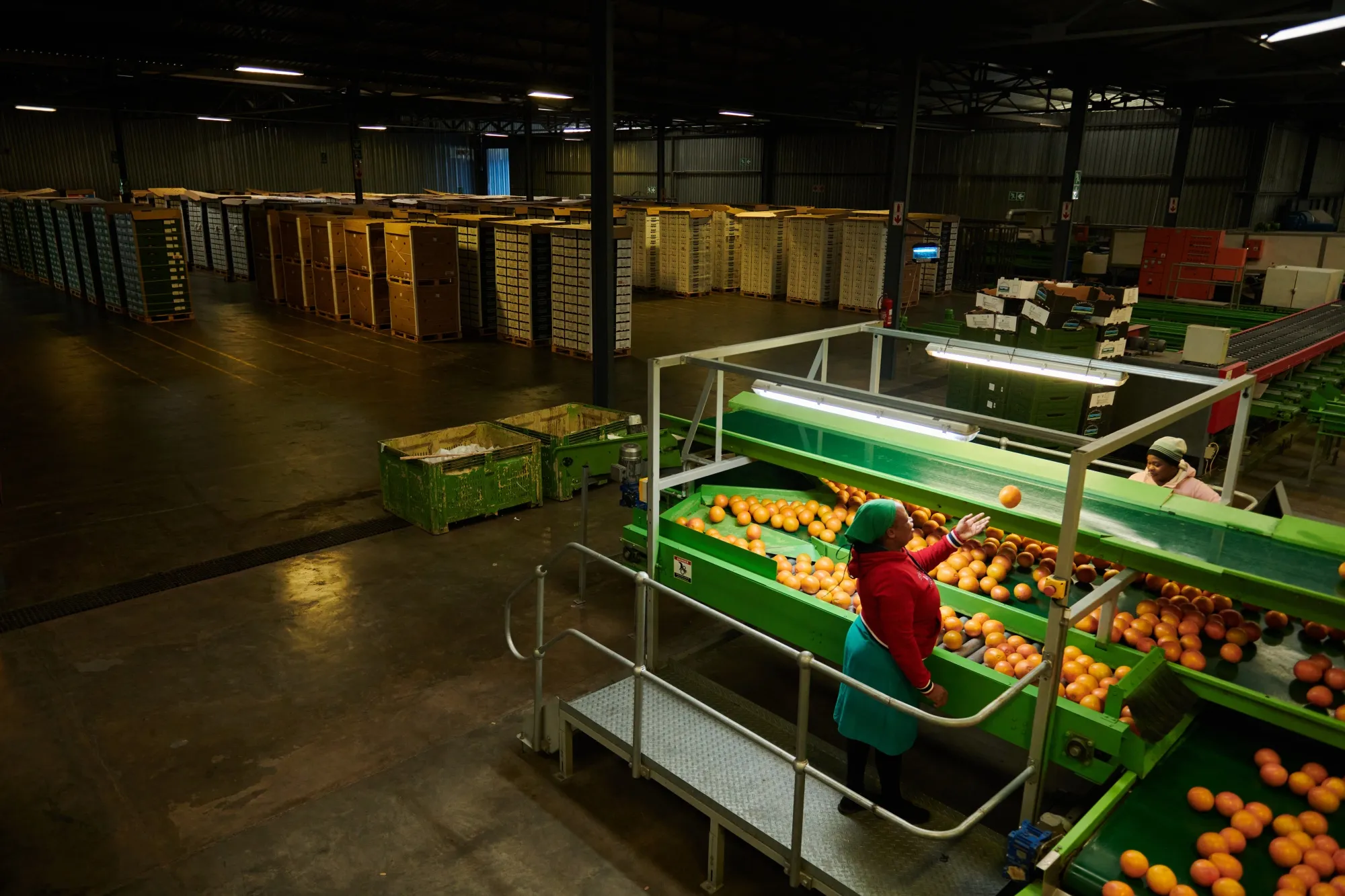
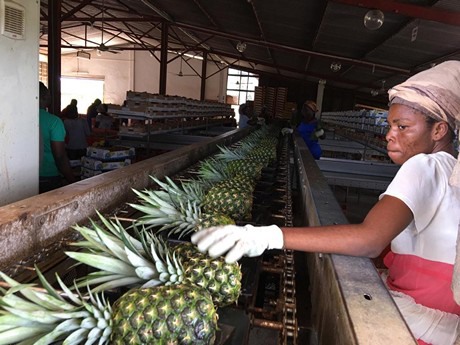
Several African countries have established themselves as reliable fruit exporters.
Kenya
Kenya is a major exporter of:
-
Avocados
-
Mangoes
-
Passion fruits
-
French beans
Kenyan exporters have strong logistics connections to Europe and the Middle East.
South Africa
South Africa is one of Africa’s largest fruit exporters. Key exports include:
-
Citrus fruits
-
Grapes
-
Apples
-
Pears
The country has advanced cold chain infrastructure and strict export standards.
Ghana
Ghana is globally known for pineapple exports and is rapidly expanding its mango and coconut exports.
Egypt
Egypt dominates citrus exports, especially oranges, which are shipped worldwide.
How to Connect with African Fruit Exporters
Finding reliable fruit exporters in Africa requires the right approach and platforms.
1. Use African Export Marketplaces
Online export platforms make it easier to connect with verified exporters. These platforms allow buyers to:
-
Browse exporter profiles
-
Compare products and pricing
-
Send direct inquiries
-
Request samples
This helps buyers quickly identify trustworthy suppliers.
2. Attend Trade Shows and Export Events
Trade exhibitions are excellent places to meet African fruit exporters in person.
Popular international events include:
-
Fruit Logistica
-
Gulfood
-
Africa Food Show
-
Fresh Produce Export Conferences
These events allow buyers to build relationships with suppliers and negotiate contracts.
3. Work With Export Agents
Export agents and trade consultants can help buyers connect with reputable exporters and handle logistics, documentation, and compliance.
4. Verify Export Certifications
Before finalizing any deal, buyers should verify that exporters meet international export requirements such as:
-
Phytosanitary certificates
-
Export licenses
-
Quality certifications
-
Food safety compliance
This ensures smooth customs clearance and avoids shipment delays.
Logistics and Shipping Considerations
Once buyers connect with African fruit exporters, efficient logistics become essential.
Important factors include:
Cold Chain Transport
Fresh fruits require refrigerated transport to maintain freshness during long-distance shipping.
Packaging Standards
Export fruits are packaged in:
-
Ventilated cartons
-
Plastic crates
-
Protective liners
Proper packaging prevents bruising and spoilage.
Export Documentation
Exporters must provide essential documents such as:
-
Commercial invoice
-
Packing list
-
Certificate of origin
-
Phytosanitary certificate
These documents ensure smooth international trade.
Benefits of Direct Partnerships With African Fruit Exporters
Businesses that build direct partnerships with exporters gain several advantages.
Consistent Supply
Reliable exporters ensure stable fruit supply throughout the year.
Better Pricing
Eliminating middlemen reduces procurement costs.
Quality Assurance
Direct sourcing allows buyers to maintain strict quality control.
Long-Term Business Relationships
Strong partnerships lead to better contracts, priority supply, and improved negotiation terms.
The Future of African Fruit Exports
Africa’s fruit export industry is expanding rapidly due to:
-
Growing global demand for tropical fruits
-
Improved farming technology
-
Better logistics infrastructure
-
Increased investment in agriculture
Many African governments are also promoting agricultural exports to boost economic growth.
As a result, more international businesses are seeking to connect with African fruit exporters to secure reliable fruit supply chains.
Final Thoughts
The opportunity to connect with African fruit exporters has never been greater. With abundant agricultural resources, competitive pricing, and expanding export infrastructure, Africa is becoming a major hub for global fruit trade.
Importers, wholesalers, retailers, and food distributors who build partnerships with African exporters gain access to high-quality tropical fruits while supporting sustainable agricultural development.
By using export marketplaces, verifying certifications, and building long-term relationships, global buyers can successfully integrate African fruit suppliers into their supply chains and benefit from one of the fastest-growing agricultural export markets in the world.