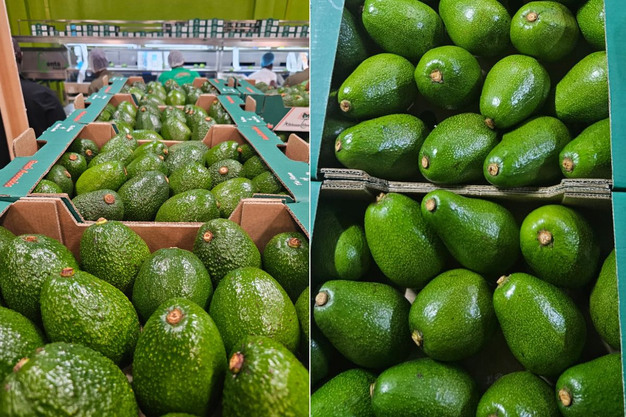
Buy Avocados from Africa: A Complete Guide to Premium African Avocados
In a world where healthy eating and sustainability are top priorities, avocados have become one of the most sought‑after fruits globally. If you’re looking to buy avocados from Africa, you’re tapping into a booming market known for premium quality, ethical sourcing practices, and some of the most nutrient‑rich avocados available. Africa’s fertile soils and ideal climate make it an emerging leader in avocado production — especially for export markets in Europe, the Middle East, and beyond.
In this comprehensive guide, we’ll explore everything you need to know about buying avocados from Africa, including production regions, quality standards, export opportunities, sustainable practices, and why African avocados are quickly becoming the world’s favorite choice.
1. Why Buy Avocados from Africa?
Africa is rapidly gaining recognition as a major hub for high‑quality avocado production. Several key advantages make African avocados attractive to both buyers and consumers:
1.1 Optimal Growing Conditions
African countries such as Kenya, South Africa, Ethiopia, and Tanzania benefit from ideal climates — moderate temperatures, plenty of sunlight, and fertile volcanic soils. These conditions help produce avocados with rich taste, creamy texture, and higher oil content — qualities that international consumers value highly.
1.2 Increasing Global Demand
Worldwide avocado consumption has surged in recent years, driven by rising health awareness and expanding culinary trends. African producers are uniquely positioned to meet this demand thanks to increasing investment in farming technologies and export logistics.
1.3 Strategic Access to Markets
Africa’s proximity to Europe and the Middle East provides logistical advantages, including shorter shipping times and reduced transportation costs compared to some other global suppliers. This makes it easier and more cost‑effective to buy avocados from Africa and distribute them to major global markets.
1.4 Commitment to Sustainability
Many African avocado farms are now adopting sustainable farming practices — from organic cultivation to water‑efficient irrigation systems. Buyers increasingly prefer suppliers who show environmental responsibility, and Africa’s avocado sector is rising to that challenge.
2. Top African Countries to Buy Avocados From
When exploring options to buy avocados from Africa, the following countries stand out for their production quality, export capacity, and agricultural infrastructure:
2.1 Kenya
Kenya is one of the fastest‑growing avocado exporters in Africa. The country produces mostly the Hass variety, which is highly preferred in international markets for its creamy texture and consistent quality. Kenyan avocados are exported mainly to Europe, the Middle East, and Asia.
2.2 South Africa
South Africa is renowned for both the volume and quality of its avocados. The country’s avocado industry adheres to strict quality control and phytosanitary standards, ensuring safe and reliable shipments.
2.3 Ethiopia
Ethiopia’s avocado production has expanded significantly, with farmers increasingly focusing on export‑oriented cultivation. The country’s highland climate produces avocados with unique flavor profiles sought after by niche markets.
2.4 Tanzania
Tanzania’s avocado farms are mostly smallholder‑based but collectively contribute substantial volumes to export markets. The focus on sustainable and organic farming adds to the appeal for buyers seeking ethically sourced produce.
3. Choosing the Right Avocado Variety
Not all avocados are created equal. When you buy avocados from Africa, understanding the different varieties helps you match your purchase with your specific market needs.
3.1 Hass Avocados
The Hass avocado is the most popular commercially traded variety worldwide. It has:
-
A creamy, rich texture
-
A higher oil content
-
Excellent shelf life
-
A dark green skin that turns nearly black when ripe
Hass avocados are the preferred choice for most export orders due to their popularity in food service and retail.
3.2 Fuerte and Other Varieties
While Hass dominates exports, other varieties like Fuerte and local cultivars are also grown. These varieties may offer unique flavors and market differentiation, especially in regional or specialty markets.
4. How to Buy Avocados from Africa — Step by Step
If you’re ready to source African avocados, the following steps will guide you through the process:
4.1 Identify Reliable Suppliers
Start by researching growers, exporters, and cooperatives in your target country. Look for suppliers with:
-
Good reputation and reviews
-
Certifications (e.g., GLOBALG.A.P., organic, Fairtrade)
-
Proven export experience
4.2 Request Samples and Specifications
Before placing a large order, request product samples or visual inspections. Confirm:
-
Variety
-
Size grade
-
Dry matter content
-
Packaging standards
4.3 Discuss Logistics and Shipping
Shipping details matter. When buying avocados from Africa, negotiate:
-
Shipping method (air vs. sea)
-
Delivery schedule
-
Packaging type (clamshell, bulk, boxes)
-
Insurance and temperature control
4.4 Review Payment and Contract Terms
Make sure payment terms protect both you and the supplier. Common arrangements include:
-
Letter of credit (L/C)
-
Advance payment with balance on delivery
-
Escrow services
4.5 Ensure Compliance and Certifications
Exports must comply with local and international food safety standards. Verify that your supplier provides:
-
Phytosanitary certificates
-
Organic or sustainability certifications
-
Traceability documentation
5. Packaging and Shipping Best Practices
Ensuring your avocados arrive in excellent condition matters. Packaging and shipping influence both quality and customer satisfaction.
5.1 Optimal Packaging
Avocados should be packed in ventilated boxes or trays to allow airflow. Cushioning materials prevent bruising and preserve freshness during transit.
5.2 Controlled Atmosphere Shipping
For sea freight, controlled atmosphere containers help:
-
Delay ripening
-
Reduce decay
-
Extend shelf life
5.3 Air Freight for Premium Markets
If rapid delivery is critical, air freight ensures freshness — particularly for markets that demand the highest quality fruit.
6. Quality and Safety Standards When Buying Avocados from Africa
International markets require stringent quality and safety controls. Here’s what buyers need to focus on:
6.1 Phytosanitary Standards
Avocado shipments must meet phytosanitary requirements to prevent disease and pests. These standards vary by destination but are essential for export clearance.
6.2 Food Safety Certifications
Certifications such as GLOBALG.A.P., HACCP, and organic verification ensure your product meets international food safety norms.
6.3 Third‑Party Inspections
Before shipment, many buyers opt for independent inspections to verify:
-
Fruit quality
-
Counting and sizing accuracy
-
Packaging integrity
7. Sustainability and Ethical Sourcing
More consumers are asking: Where does my food come from and how was it grown? Buying avocados from Africa can support sustainable agriculture when done right.
7.1 Organic and Regenerative Farming
Many African producers are adopting organic and regenerative practices — reducing chemical inputs and prioritizing soil health.
7.2 Fair Trade and Smallholder Support
Working with fair trade cooperative structures ensures that smallholder farmers receive equitable payment and support.
7.3 Water and Climate Considerations
Avocado farming can be water intensive. Look for suppliers who use efficient irrigation systems and climate‑smart practices.
8. Market Trends and Future Outlook
The avocado market is evolving rapidly. Here’s what buyers should know:
8.1 Rising Demand in Asia and the Middle East
While Europe has traditionally been the biggest importer, demand in Asia and the Middle East is expanding — creating new opportunities for African exporters.
8.2 Investment in Cold Chain Infrastructure
Improved cold storage and transport systems are reducing post‑harvest losses and enabling African farmers to compete globally.
8.3 Value‑Added Products
Beyond fresh fruit, African avocados are starting to be used for:
-
Avocado oil
-
Purees and spreads
-
Skincare products
This adds new revenue streams for exporters and new options for buyers.
9. Tips for Retailers and Importers
If you plan to sell avocados sourced from Africa, these tips can help optimize your business:
9.1 Understand Your Target Market
Know whether your customers prefer firm or ready‑to‑eat avocados. Educate them on ripening and storage.
9.2 Offer Traceability
Consumers increasingly value transparency. Provide:
-
Farm origin
-
Harvest date
-
Certification info
9.3 Invest in Marketing
Promote your avocados with compelling branding focused on:
-
African origin story
-
Sustainability
-
Nutritional benefits
10. Final Thoughts: Buying Avocados from Africa with Confidence
The global appetite for avocados shows no signs of slowing, and Africa’s role in satisfying that demand is expanding fast. Whether you’re an importer, retailer, wholesaler, or health‑focused business owner, choosing to buy avocados from Africa offers a combination of quality, sustainability, and strategic market advantage.
By partnering with reputable suppliers, understanding logistics, and emphasizing quality and ethical practices, you can tap into one of the most dynamic segments of the global produce market.
Frequently Asked Questions (Bonus for SEO)
Q1: Why should I buy avocados from Africa instead of other regions?
A1: Africa offers competitive pricing, excellent climate conditions, and increasing adherence to sustainability and food safety standards.
Q2: What variety is most commonly exported?
A2: The Hass avocado is the most widely exported variety due to its texture, oil content, and global consumer preference.
Q3: How are African avocados shipped internationally?
A3: They are shipped mainly by sea freight in controlled atmosphere containers or by air freight for faster delivery.
Q4: Are African avocados organic?
A4: Many producers grow avocados using organic and sustainable methods, and certification may be available upon request.
Q5: Can small businesses buy avocados from Africa?
A5: Yes — many exporters accommodate orders both large and small, subject to minimum order quantities and logistics agreements.