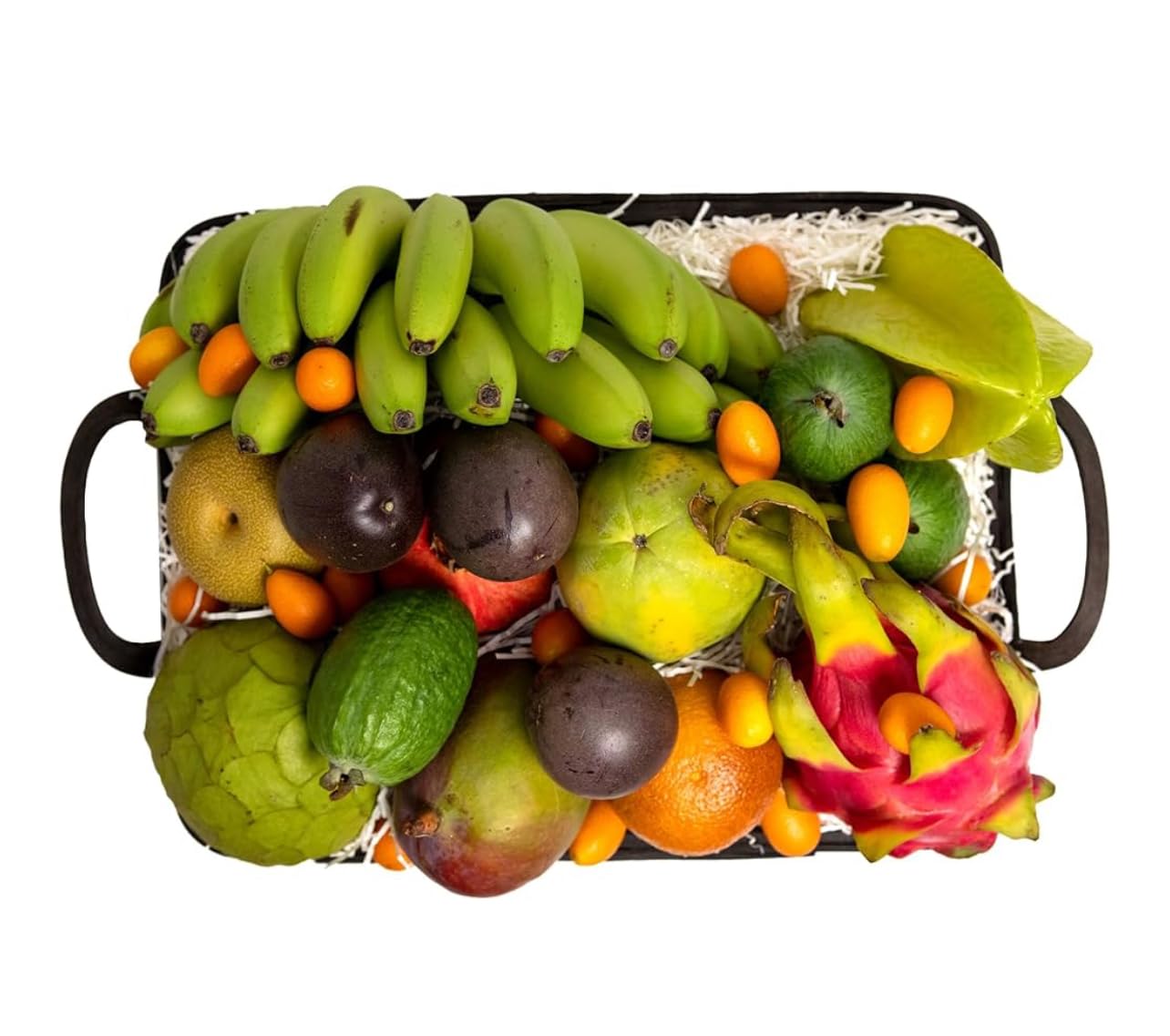
B2B Fruit Marketplace: Transforming the Global Fresh Produce Trade
Introduction to the B2B Fruit Marketplace
The B2B fruit marketplace is revolutionizing how fresh produce is traded across the globe. Traditionally, fruit trading relied on middlemen, local wholesale markets, and physical inspections. Today, digital B2B platforms are enabling farmers, exporters, wholesalers, and retailers to connect directly, improving efficiency and reducing costs.
A B2B fruit marketplace is an online platform where businesses buy and sell fruits in bulk. These platforms connect growers, distributors, importers, exporters, and retailers in a single ecosystem. With the rise of digital commerce and global trade, the demand for reliable fruit sourcing has increased significantly.
Companies across regions—from Africa and Asia to Europe and North America—are increasingly relying on B2B fruit marketplaces to streamline procurement, ensure quality, and expand market reach.
What Is a b2b fruits?
A B2B fruit marketplace is a digital platform designed to facilitate bulk fruit transactions between businesses rather than individual consumers. Unlike traditional retail marketplaces, B2B platforms focus on large-volume transactions, logistics coordination, and supplier verification.
These platforms allow:
- Farmers to showcase their produce
- Exporters to find international buyers
- Importers to source reliable suppliers
- Retail chains to procure fruits in bulk
- Restaurants and hospitality businesses to maintain steady supply
A typical B2B fruit marketplace includes features such as product listings, bulk pricing, negotiation tools, logistics management, and secure payment options.
How B2B Fruit Marketplaces Work
Understanding how a B2B fruit marketplace operates helps businesses maximize its potential.
1. Supplier Registration
Fruit growers, exporters, and wholesalers create profiles and upload product listings. These listings typically include:
- Fruit type (e.g., mangoes, bananas, apples)
- Quantity available
- Harvest dates
- Quality certifications
- Pricing details
- Shipping capabilities
Verified suppliers gain more trust from buyers.
2. Buyer Search and Selection
Buyers browse listings or post sourcing requests. Advanced search filters help locate:
- Specific fruit varieties
- Seasonal availability
- Geographic location
- Certification requirements
Buyers can compare multiple suppliers before making purchasing decisions.
3. Negotiation and Ordering
Many B2B fruit marketplaces offer negotiation features that allow buyers and sellers to:
- Discuss pricing
- Confirm quantities
- Set delivery timelines
- Establish payment terms
This flexibility supports customized business deals.
4. Logistics and Delivery
Logistics management is a core feature of modern fruit marketplaces. These platforms coordinate:
- Cold chain logistics
- Freight booking
- Shipment tracking
- Customs documentation
Efficient logistics ensure fruits arrive fresh and on time.
5. Payment Processing
Secure payment gateways help reduce financial risks. Payment models may include:
- Escrow payments
- Credit terms
- Bank transfers
- Digital payment systems
Key Benefits of Using a B2B Fruit Marketplace
Businesses are increasingly adopting B2B fruit marketplaces because of their numerous advantages.
1. Access to Global Markets
One of the biggest benefits is the ability to connect with international buyers and sellers. Farmers can export their produce beyond local markets, while buyers can source fruits from multiple regions.
2. Reduced Costs
By minimizing intermediaries, businesses can:
- Lower procurement costs
- Increase profit margins
- Improve supply chain efficiency
Direct communication between suppliers and buyers leads to transparent pricing.
3. Improved Quality Control
Quality is critical in fruit trading. Many B2B fruit marketplaces require:
- Quality certifications
- Inspection reports
- Compliance documentation
This ensures consistent standards across transactions.
4. Real-Time Market Insights
Modern platforms provide valuable data such as:
- Price trends
- Demand forecasts
- Seasonal availability
- Market analytics
These insights help businesses make informed decisions.
5. Faster Transactions
Digital communication speeds up negotiation and order processing, reducing delays common in traditional fruit trading.
Features to Look for in a B2B Fruit Marketplace
Not all platforms are the same. Choosing the right B2B fruit marketplace requires evaluating its features carefully.
Verified Supplier Network
Trust is essential in bulk trading. A good platform should verify suppliers through:
- Identity checks
- Business registration validation
- Certification verification
Advanced Search Filters
Powerful search tools help buyers quickly locate specific fruit varieties and suppliers.
Logistics Support
Reliable logistics support ensures proper storage and transportation.
Key logistics features include:
- Cold chain support
- Freight integration
- Real-time tracking
Secure Payment System
Secure payment mechanisms protect both buyers and sellers.
Look for platforms offering:
- Escrow services
- Fraud protection
- Flexible payment terms
Mobile Accessibility
Mobile-friendly platforms allow users to manage transactions from anywhere.
The Role of Technology in B2B Fruit Marketplaces
Technology plays a central role in the evolution of the B2B fruit marketplace.
Artificial Intelligence (AI)
AI helps optimize supply chains by:
- Predicting demand
- Suggesting optimal pricing
- Identifying trusted suppliers
AI-powered recommendations improve efficiency.
Blockchain Technology
Blockchain enhances transparency in fruit trading.
It enables:
- Traceability from farm to buyer
- Tamper-proof transaction records
- Reduced fraud risks
Traceability is especially important for export markets.
Internet of Things (IoT)
IoT devices monitor:
- Temperature
- Humidity
- Storage conditions
These sensors help maintain fruit quality during transportation.
Types of Fruits Commonly Traded on B2B Marketplaces
A B2B fruit marketplace supports a wide variety of fruit categories.
Tropical Fruits
Popular tropical fruits include:
- Mangoes
- Pineapples
- Bananas
- Papayas
- Avocados
These fruits are widely exported across continents.
Citrus Fruits
Citrus fruits commonly traded include:
- Oranges
- Lemons
- Limes
- Grapefruits
They are used in beverages, cooking, and processing industries.
Berries
Berries are in high demand due to their nutritional value.
Examples include:
- Strawberries
- Blueberries
- Raspberries
Exotic Fruits
Exotic fruits attract premium markets.
Examples include:
- Dragon fruit
- Passion fruit
- Durian
Who Uses a B2B Fruit Marketplace?
Multiple industries rely on B2B fruit marketplaces.
Farmers and Growers
Farmers benefit by:
- Accessing larger markets
- Securing better prices
- Reducing dependence on local intermediaries
Smallholder farmers especially gain new income opportunities.
Exporters
Exporters use marketplaces to:
- Connect with global buyers
- Manage large shipments
- Build long-term partnerships
Importers
Importers rely on verified suppliers to maintain consistent supply chains.
Retail Chains
Supermarkets and grocery chains use B2B platforms to ensure:
- Regular stock availability
- Competitive pricing
- High-quality produce
Food Processing Companies
Processing companies source bulk fruits for:
- Juices
- Frozen foods
- Packaged products
Challenges in the B2B Fruit Marketplace Industry
Despite its benefits, the B2B fruit marketplace industry faces several challenges.
Supply Chain Complexity
Fresh fruits require specialized logistics.
Challenges include:
- Temperature control
- Transit delays
- Handling damage
Quality Assurance
Maintaining consistent quality across regions can be difficult.
Standardized inspection systems are essential.
Regulatory Compliance
International fruit trade involves:
- Export permits
- Phytosanitary certificates
- Customs documentation
Compliance requirements vary by country.
Price Volatility
Fruit prices fluctuate due to:
- Weather conditions
- Seasonal changes
- Market demand
How to Choose the Best B2B Fruit Marketplace
Selecting the right B2B fruit marketplace requires careful evaluation.
Check Platform Reputation
Look for:
- Verified reviews
- Established partnerships
- Positive industry feedback
Evaluate Product Range
Choose a platform offering a wide selection of fruit varieties.
Assess Customer Support
Reliable support ensures quick resolution of issues.
Review Logistics Capabilities
Strong logistics networks ensure timely delivery.
Trends Shaping the Future of B2B Fruit Marketplaces
The B2B fruit marketplace sector continues to evolve.
Digital Transformation
More businesses are adopting digital platforms to streamline operations.
Sustainability Focus
Sustainable farming and packaging practices are gaining importance.
Buyers increasingly prefer:
- Organic fruits
- Eco-friendly packaging
- Ethical sourcing
Expansion of Cross-Border Trade
Globalization is increasing demand for imported fruits.
Emerging markets are playing a major role in trade growth.
Integration with Financial Services
Many marketplaces are introducing:
- Trade financing
- Insurance
- Credit facilities
These services support business growth.
Benefits of B2B Fruit Marketplaces for Small Farmers
Small-scale farmers are among the biggest beneficiaries of B2B fruit marketplaces.
Increased Market Visibility
Farmers can showcase their products to global buyers.
Better Pricing Opportunities
Direct sales reduce reliance on middlemen.
Improved Income Stability
Consistent demand ensures stable revenue streams.
Access to Market Information
Real-time data helps farmers plan production cycles.
How B2B Fruit Marketplaces Improve Supply Chain Efficiency
Efficient supply chains are essential for fruit distribution.
A B2B fruit marketplace improves supply chains by:
- Reducing manual processes
- Automating order management
- Enhancing shipment visibility
- Minimizing delays
Automation reduces operational errors.
Marketing Strategies for Sellers on a B2B Fruit Marketplace
To succeed on a B2B fruit marketplace, sellers must adopt strong marketing strategies.
Optimize Product Listings
Include:
- High-quality images
- Accurate descriptions
- Certification details
Use Competitive Pricing
Analyze market trends to set attractive prices.
Maintain Consistent Quality
Reliable quality builds long-term trust.
Offer Flexible Logistics
Flexible delivery options attract more buyers.
The Future Outlook of B2B Fruit Marketplaces
The future of the B2B fruit marketplace industry looks promising.
Key growth drivers include:
- Rising global fruit consumption
- Increased internet penetration
- Growing demand for fresh produce
- Expansion of e-commerce platforms
Businesses that adopt digital trading solutions early will gain competitive advantages.
Conclusion
The B2B fruit marketplace is transforming the way fruits are traded worldwide. By connecting farmers, exporters, wholesalers, and retailers on a single digital platform, these marketplaces improve efficiency, reduce costs, and expand market opportunities.