African Fruit Export Marketplace: Connecting Africa’s Fresh Produce to Global Buyers

Introduction
The African fruit export marketplace is rapidly transforming how fresh fruits from Africa reach global markets. With fertile soils, diverse climates, and year-round production, Africa is one of the world’s most promising suppliers of tropical and exotic fruits. From mangoes and avocados to pineapples, bananas, and passion fruits, African countries are becoming key players in the international fruit trade.
An African fruit export marketplace is a digital or physical platform that connects fruit farmers, exporters, wholesalers, and international buyers. These platforms simplify trade by enabling buyers from Europe, Asia, the Middle East, and North America to source fresh African fruits directly from trusted suppliers.
With growing global demand for organic and exotic fruits, the African fruit export marketplace provides opportunities for farmers, exporters, and agribusiness investors to expand their reach and increase profits.
What is an African Fruit Export Marketplace?
An African fruit export marketplace is an online or B2B trading platform where fruit producers and exporters list their products for international buyers. It functions similarly to an e-commerce marketplace but focuses specifically on agricultural exports.
These platforms allow:
-
Farmers to showcase export-quality fruits
-
Exporters to connect with global buyers
-
Buyers to source fruits directly from Africa
-
Logistics providers to facilitate shipping and delivery
Through these marketplaces, buyers can browse available fruits, compare suppliers, request quotes, and place bulk orders.
Popular African Fruits Exported Worldwide
Africa exports a wide variety of fruits that are highly demanded in global markets. Some of the most popular include:
1. Avocados
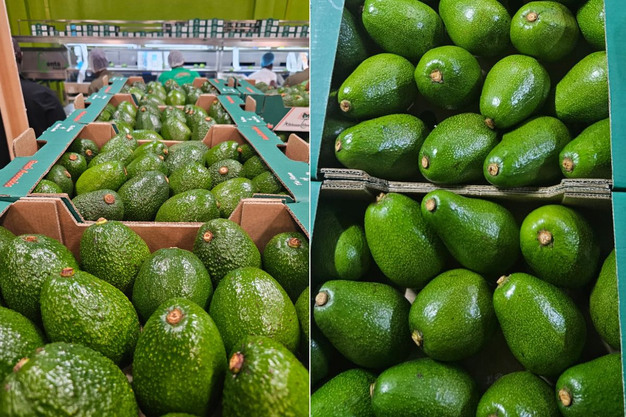
Avocados are among the most exported fruits from Africa, especially from Kenya, South Africa, and Tanzania. The Hass avocado variety is particularly popular due to its high oil content and rich flavor.
Key export markets include:
-
Europe
-
United Arab Emirates
-
China
-
Russia
2. Mangoes
African mangoes are prized for their sweetness and aroma. Countries like Egypt, Ivory Coast, Mali, and Kenya are leading exporters.
Popular varieties include:
-
Kent
-
Keitt
-
Tommy Atkins
These mangoes are widely exported to Europe and the Middle East.
3. Pineapples
Pineapples from Ghana and Costa regions are known for their sweetness and quality. Many international supermarkets prefer African pineapples due to their flavor and shelf life.
4. Bananas
Bananas are another major export crop from African countries like Uganda, Cameroon, and Côte d’Ivoire.
They are exported mainly to:
-
European Union
-
Middle East
-
Asia
5. Passion Fruits
Passion fruits from Kenya and Rwanda are widely exported due to their high quality and strong flavor.
These fruits are often used in:
-
Juice production
-
Desserts
-
Cocktail mixes
Benefits of an African Fruit Export Marketplace
1. Direct Access to International Buyers
One of the biggest advantages of an African fruit export marketplace is direct access to global buyers. Farmers and exporters can connect with importers without relying heavily on middlemen.
This increases profits and transparency in trade.
2. Expanded Market Reach
Export marketplaces allow African fruit suppliers to reach buyers in multiple continents, including:
-
Europe
-
Asia
-
North America
-
Middle East
This helps businesses diversify their markets and reduce risk.
3. Transparent Pricing
Online marketplaces provide real-time pricing and demand insights. Sellers can see current market rates and adjust their prices competitively.
4. Increased Visibility for African Produce
Digital marketplaces promote African fruits globally. Buyers searching online for tropical fruits can easily discover African suppliers.
5. Simplified Export Process
Many fruit export platforms integrate services such as:
-
Export documentation
-
Quality certification
-
Freight forwarding
-
Cold chain logistics
This simplifies international trade for farmers and exporters.
Key Features of a Successful African Fruit Export Marketplace
A well-designed fruit export marketplace should include several important features.
Product Listings
Suppliers should be able to list fruits with detailed information, including:
-
Fruit type
-
Variety
-
Harvest season
-
Minimum order quantity
-
Packaging options
High-quality photos also help attract buyers.
Supplier Verification
Verification systems ensure that buyers work with reliable exporters. This increases trust in the marketplace.
Buyer Request System
Buyers should be able to post sourcing requests for specific fruits and quantities. Exporters can then respond with offers.
Logistics Integration
Export platforms should connect users with logistics providers who handle:
-
Cold chain transport
-
Air freight
-
Sea freight
-
Customs clearance
Secure Payment Options
Safe payment systems protect both buyers and sellers during international transactions.
Role of Technology in African Fruit Export Marketplaces
Technology is transforming the fruit export industry in Africa.
Digital Trading Platforms
Online marketplaces allow suppliers to showcase products globally without needing expensive physical trade exhibitions.
Mobile Applications
Many farmers use smartphones to upload product listings, communicate with buyers, and manage orders.
Supply Chain Tracking
Modern export marketplaces integrate supply chain tracking to monitor fruit shipments from farm to destination.
Data Analytics
Analytics tools help exporters understand:
-
Market demand
-
Price trends
-
Seasonal opportunities
This helps suppliers make informed decisions.
Opportunities for Farmers and Exporters
The African fruit export marketplace opens significant opportunities for various stakeholders.
Smallholder Farmers
Small farmers can access international markets that were previously unreachable. By joining cooperatives or export groups, they can supply fruits for global trade.
Export Companies
Export companies can use marketplaces to expand their buyer networks and increase sales volume.
Agribusiness Investors
Investors can participate in:
-
Fruit processing
-
Cold storage facilities
-
Export logistics
-
Digital marketplaces
These investments support the growth of Africa’s fruit export industry.
Challenges in the African Fruit Export Marketplace
Despite its opportunities, the fruit export industry faces several challenges.
Quality Standards
International buyers require strict quality standards such as:
-
GlobalG.A.P certification
-
Organic certification
-
Phytosanitary compliance
Farmers must meet these requirements to access premium markets.
Cold Chain Infrastructure
Maintaining freshness during transportation is essential. Many regions still lack adequate cold storage and refrigerated transport systems.
Logistics Costs
Shipping fruits internationally can be expensive, especially for air freight.
Market Competition
African exporters compete with suppliers from:
-
Latin America
-
Southeast Asia
-
Europe
Maintaining quality and competitive pricing is essential.
Future of the African Fruit Export Marketplace
The future of the African fruit export marketplace is extremely promising. Global demand for healthy and organic foods continues to grow, and African fruits are gaining popularity in international markets.
Several trends will drive growth:
-
Expansion of digital agriculture platforms
-
Increased investment in cold chain logistics
-
Rising demand for organic fruits
-
Growth of direct-to-buyer export platforms
Countries like Kenya, Ghana, South Africa, and Morocco are already strengthening their fruit export industries through technology and modern farming practices.
How to Start an African Fruit Export Marketplace
Entrepreneurs interested in launching a fruit export marketplace should consider the following steps:
-
Build a digital platform or website
-
Partner with fruit farmers and exporters
-
Verify suppliers and quality standards
-
Integrate logistics and payment systems
-
Market the platform to international buyers
With the right strategy, an African fruit export marketplace can become a powerful platform connecting Africa’s farmers to the world.
Conclusion
The African fruit export marketplace plays a vital role in promoting Africa’s agricultural exports. By connecting farmers, exporters, and international buyers, these platforms simplify trade and unlock new opportunities for economic growth.
With strong demand for tropical fruits worldwide and increasing digital adoption across Africa, the fruit export marketplace is set to become a major driver of agricultural trade in the coming years.
Farmers, exporters, and investors who embrace these platforms will benefit from global exposure, better pricing, and sustainable growth in the international fruit market.