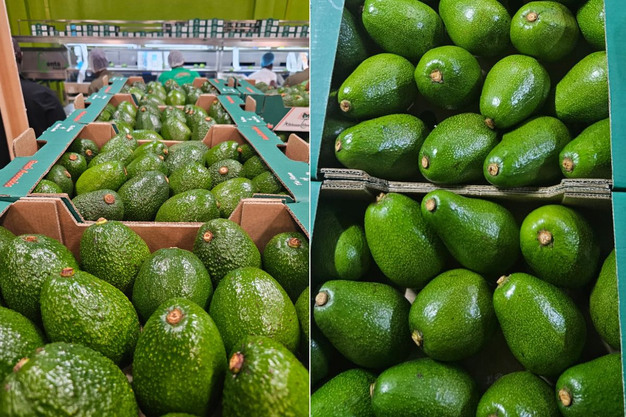
International Shipping Fruits: A Complete Guide to Safe and Efficient Global Fruit Delivery
International shipping fruits has become an essential part of global trade, enabling fresh produce to reach consumers across continents. From tropical mangoes to fresh apples and berries, fruits are transported worldwide every day to meet increasing demand. However, shipping fruits internationally requires careful planning, proper packaging, compliance with regulations, and reliable logistics.
In this comprehensive guide, we explore everything you need to know about international shipping fruits, including methods, requirements, costs, packaging techniques, and tips for maintaining freshness during transit.
What Is International Shipping Fruits?
International shipping fruits refers to the process of transporting fresh or processed fruits from one country to another using air, sea, or land transportation. This process involves handling perishable goods that require temperature control, careful packaging, and compliance with international agricultural laws.
Businesses involved in international fruit shipping include:
- Fruit exporters
- Importers
- Wholesalers
- Retailers
- E-commerce sellers
- Agricultural producers
With globalization and increased demand for exotic fruits, international fruit shipping has grown significantly in recent years.
Why International Shipping Fruits Is Important
International shipping fruits plays a crucial role in ensuring that consumers worldwide have access to fresh and diverse produce year-round.
1. Global Access to Seasonal Fruits
Different regions produce fruits at different times of the year. International shipping allows:
- Access to seasonal fruits year-round
- Import of exotic fruits not grown locally
- Increased consumer choice
For example, tropical fruits like mangoes, pineapples, and papayas are shipped globally to meet international demand.
2. Economic Growth and Trade
International fruit shipping contributes significantly to global economies by:
- Supporting farmers and exporters
- Creating employment opportunities
- Increasing agricultural exports
- Boosting foreign exchange earnings
Countries known for fruit exports depend heavily on international shipping systems.
3. Meeting Consumer Demand
Consumers today expect fresh fruits regardless of location or season. International shipping ensures:
- Availability of fresh produce
- Supply chain continuity
- Reduced shortages
This demand has driven innovations in cold chain logistics and packaging technologies.
Methods of International Shipping Fruits
Choosing the right transportation method is critical in international shipping fruits. The most common methods include:
1. Air Freight Shipping
Air freight is the fastest method for shipping fruits internationally.
Advantages:
- Quick delivery
- Reduced spoilage risk
- Ideal for highly perishable fruits
- Maintains freshness
Best Fruits for Air Shipping:
- Berries
- Mangoes
- Cherries
- Strawberries
- Exotic fruits
Disadvantages:
- Higher cost
- Limited cargo space
- Requires specialized packaging
Air freight is commonly used when freshness and speed are top priorities.
2. Sea Freight Shipping
Sea freight is the most cost-effective method for large shipments.
Advantages:
- Lower transportation costs
- Suitable for bulk shipments
- Ideal for durable fruits
- Large cargo capacity
Best Fruits for Sea Shipping:
- Apples
- Oranges
- Bananas
- Pears
- Citrus fruits
Disadvantages:
- Longer transit times
- Requires advanced refrigeration
- Risk of spoilage if poorly managed
Refrigerated containers (reefers) are commonly used in sea freight to maintain temperature control.
3. Land Transportation
Land transportation supports international fruit shipping between neighboring countries.
Advantages:
- Flexible delivery routes
- Suitable for short distances
- Cost-effective for regional trade
Common Uses:
- Cross-border fruit shipments
- Regional distribution
- Local market supply
Temperature-controlled trucks are essential for maintaining fruit quality.
Packaging Requirements for International Shipping Fruits
Proper packaging is one of the most important factors in successful international shipping fruits.
1. Use Ventilated Packaging
Fruits need airflow to prevent moisture buildup.
Recommended packaging materials:
- Corrugated fiberboard boxes
- Plastic crates
- Ventilated cartons
Ventilation helps prevent mold growth and extends shelf life.
2. Cushioning Materials
Fruits are delicate and easily bruised.
Common cushioning materials:
- Foam nets
- Paper wraps
- Bubble wrap
- Molded trays
Cushioning prevents damage during transportation.
3. Temperature-Control Packaging
Many fruits require cold storage.
Temperature control methods:
- Insulated containers
- Ice packs
- Gel packs
- Refrigerated units
Maintaining the correct temperature ensures freshness.
4. Labeling Requirements
Proper labeling is mandatory in international shipping fruits.
Labels should include:
- Fruit name
- Country of origin
- Weight
- Handling instructions
- Export/import information
Clear labeling reduces delays and ensures regulatory compliance.
Temperature Control in International Shipping Fruits
Temperature management is critical in preventing spoilage.
Different fruits require different temperature ranges.
Typical Temperature Ranges:
- Apples: 0°C to 2°C
- Bananas: 13°C to 15°C
- Mangoes: 10°C to 13°C
- Berries: 0°C to 1°C
Maintaining consistent temperature prevents:
- Ripening too quickly
- Mold formation
- Fruit decay
Cold chain logistics play a major role in maintaining fruit quality during international shipping.
International Regulations for Shipping Fruits
Shipping fruits internationally requires compliance with strict regulations to prevent pest transmission and protect local agriculture.
1. Phytosanitary Certificates
A phytosanitary certificate confirms that fruits are free from pests and diseases.
Issued by:
- Agricultural authorities
- Government inspection agencies
This certificate is mandatory in most countries.
2. Import and Export Permits
Different countries require specific permits before fruits can be shipped.
Permits help regulate:
- Agricultural imports
- Plant safety
- Food quality standards
Always verify destination country requirements before shipping.
3. Customs Documentation
Common documents required:
- Commercial invoice
- Packing list
- Certificate of origin
- Bill of lading
- Airway bill
Accurate documentation ensures smooth customs clearance.
Cost Factors in International Shipping Fruits
The cost of international shipping fruits varies depending on several factors.
1. Shipping Method
Air freight is typically more expensive than sea freight due to speed and handling requirements.
2. Distance
Longer shipping distances increase transportation costs.
Factors affecting distance costs:
- Fuel charges
- Transit duration
- Handling fees
3. Packaging Costs
High-quality packaging materials increase costs but reduce damage risk.
4. Temperature Control
Refrigeration and cold storage increase shipping expenses but protect product quality.
5. Customs Duties and Taxes
Import duties vary by country and fruit type.
These costs should be factored into pricing strategies.
Challenges in International Shipping Fruits
Despite technological advancements, international shipping fruits presents several challenges.
1. Perishability
Fruits have a limited shelf life.
Risks include:
- Spoilage
- Mold growth
- Over-ripening
Proper handling minimizes losses.
2. Regulatory Compliance
Different countries have different agricultural regulations.
Failure to comply may result in:
- Shipment delays
- Fines
- Product rejection
3. Logistics Delays
Unexpected delays can affect fruit freshness.
Common causes:
- Weather disruptions
- Customs inspections
- Transportation breakdowns
Reliable logistics planning reduces risks.
4. Temperature Fluctuations
Inconsistent temperature levels can damage fruits.
Using real-time monitoring systems improves quality control.
Best Fruits for International Shipping
Some fruits travel better than others due to durability and shelf life.
Highly Suitable Fruits
- Apples
- Oranges
- Bananas
- Grapes
- Pineapples
These fruits have longer shelf lives and tolerate transportation well.
Moderately Suitable Fruits
- Mangoes
- Pears
- Peaches
- Plums
Require careful packaging and temperature control.
Highly Perishable Fruits
- Strawberries
- Raspberries
- Cherries
Typically shipped via air freight to prevent spoilage.
Tips for Successful International Shipping Fruits
Implementing best practices increases success rates in international fruit shipping.
1. Choose Reliable Shipping Partners
Work with experienced logistics providers specializing in perishable goods.
Look for:
- Cold chain capabilities
- Global coverage
- Regulatory expertise
2. Use Proper Packaging Techniques
High-quality packaging reduces fruit damage.
Key packaging tips:
- Avoid overpacking
- Ensure ventilation
- Use cushioning materials
3. Monitor Temperature
Install temperature sensors to track conditions during transit.
Real-time monitoring prevents losses.
4. Understand Destination Requirements
Each country has different import rules.
Research requirements such as:
- Quarantine regulations
- Permitted fruit types
- Documentation standards
5. Insure Your Shipment
Shipping insurance protects against financial loss due to:
- Damage
- Theft
- Delays
Insurance provides peace of mind.
Technologies Used in International Shipping Fruits
Modern technology has improved efficiency and safety in international fruit shipping.
1. Refrigerated Containers (Reefers)
Reefers maintain constant temperatures during transit.
They are widely used in sea freight shipments.
2. GPS Tracking Systems
GPS tracking allows real-time monitoring of shipment location.
Benefits include:
- Improved visibility
- Better planning
- Reduced delays
3. Smart Packaging
Smart packaging includes:
- Temperature sensors
- Humidity indicators
- Freshness monitoring devices
These technologies help maintain fruit quality.
Environmental Impact of International Shipping Fruits
International shipping fruits can impact the environment due to fuel usage and packaging waste.
Reducing Environmental Impact
Sustainable practices include:
- Using eco-friendly packaging
- Optimizing shipping routes
- Reducing waste
- Using energy-efficient refrigeration
Sustainability is becoming increasingly important in the fruit shipping industry.
Future Trends in International Shipping Fruits
The future of international shipping fruits looks promising due to technological advancements and growing global demand.
1. Automation in Logistics
Automation improves:
- Efficiency
- Speed
- Accuracy
Warehouses and distribution centers increasingly use automated systems.
2. Blockchain Technology
Blockchain improves transparency in supply chains.
Benefits include:
- Enhanced traceability
- Reduced fraud
- Improved documentation
3. Sustainable Packaging
Biodegradable packaging materials are becoming more common.
They help reduce environmental impact.
Conclusion
International shipping fruits is a complex but essential process that supports global food supply and trade. Successful fruit shipping requires proper packaging, temperature control, regulatory compliance, and reliable transportation methods.
By understanding shipping methods, costs, regulations, and best practices, businesses can ensure fruits reach their destination fresh and in excellent condition. With advances in technology and logistics, international fruit shipping continues to improve, making fresh fruits more accessible worldwide.