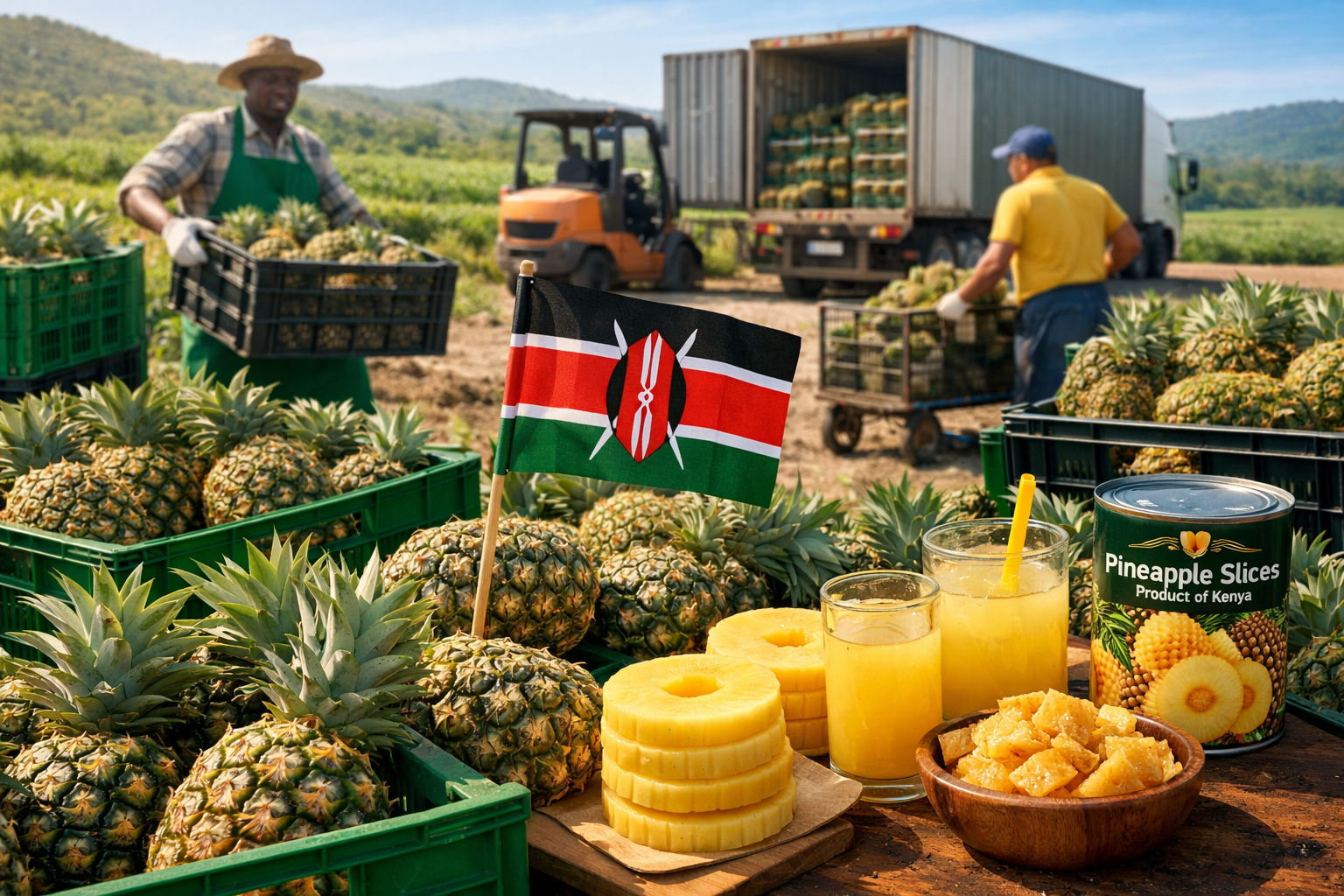
Agricultural Export Marketplace: The Ultimate Guide to Global Agricultural Trade
Introduction to Agricultural Export Marketplaces
An agricultural export marketplace is a digital or physical platform where farmers, exporters, suppliers, and buyers connect to trade agricultural products across international borders. These marketplaces play a crucial role in global food supply chains by enabling seamless trade of crops, livestock products, and processed agricultural goods.
With globalization and digital transformation, agricultural export marketplaces have evolved into sophisticated ecosystems that support logistics, quality assurance, financing, and market intelligence. Businesses worldwide now rely on these platforms to access international markets, negotiate pricing, and streamline export operations.
Whether you are a farmer, agribusiness owner, or importer, understanding how agricultural export marketplaces function can unlock significant growth opportunities.
What Is an Agricultural Export Marketplace?
An agricultural export marketplace is a platform—often online—that connects agricultural product suppliers with international buyers.
These marketplaces facilitate:
- Product listing and discovery
- Price negotiation
- Export documentation
- Logistics coordination
- Payment processing
- Market data analysis
They serve as intermediaries that reduce trade barriers and improve transparency in global agricultural trade.
Examples of Products Traded
Agricultural export marketplaces typically handle:
- Fresh fruits and vegetables
- Grains and cereals
- Coffee and tea
- Spices
- Nuts and seeds
- Livestock products
- Processed foods
- Organic produce
These platforms support both bulk shipments and smaller specialty exports.
Importance of Agricultural Export Marketplaces in Global Trade
Agricultural export marketplaces have become essential tools in the modern agricultural economy. They provide access to global markets and help farmers and exporters scale their operations.
1. Expanding Market Access
Small and medium-scale farmers can now reach buyers across continents without needing physical presence in foreign markets.
Benefits include:
- Increased customer base
- Reduced reliance on local markets
- Higher revenue potential
- Improved price discovery
2. Improving Price Transparency
Marketplaces provide real-time pricing information, helping exporters negotiate fair deals.
Transparency leads to:
- Competitive pricing
- Reduced exploitation
- Better profit margins
3. Enhancing Supply Chain Efficiency
Integrated logistics and tracking tools streamline shipping and reduce delays.
Efficiency benefits include:
- Faster delivery
- Lower transportation costs
- Reduced product spoilage
How Agricultural Export Marketplaces Work
Understanding the operational model of an agricultural export marketplace helps exporters maximize their success.
Step 1: Supplier Registration
Exporters create accounts and verify their business credentials. This step ensures trust between buyers and sellers.
Typical requirements:
- Business registration documents
- Export licenses
- Product certifications
Step 2: Product Listing
Suppliers upload product details such as:
- Product type
- Quality specifications
- Quantity available
- Pricing
- Packaging details
- Certifications
High-quality product listings increase visibility and attract buyers.
Step 3: Buyer Search and Negotiation
Buyers search for products based on:
- Country of origin
- Quality standards
- Price range
- Delivery timelines
Negotiations take place through secure communication tools.
Step 4: Order Placement
Once terms are agreed upon, buyers place orders through the marketplace.
This includes:
- Payment terms
- Shipping method
- Delivery schedule
Step 5: Logistics and Delivery
The marketplace may provide logistics support such as:
- Freight booking
- Customs clearance
- Shipment tracking
Step 6: Payment Settlement
Secure payment systems ensure that both parties fulfill their contractual obligations.
Payment options may include:
- Bank transfers
- Escrow services
- Trade financing
Types of Agricultural Export Marketplaces
There are several types of agricultural export marketplaces designed to serve different trading needs.
1. B2B Agricultural Marketplaces
Business-to-business marketplaces connect suppliers directly with wholesale buyers.
Key features:
- Bulk trading
- Long-term contracts
- Industrial-scale shipments
Common users include:
- Exporters
- Importers
- Food processors
2. Commodity Trading Platforms
These marketplaces focus on standardized agricultural commodities such as:
- Wheat
- Corn
- Soybeans
- Rice
They often include price forecasting tools and futures trading options.
3. Specialty Product Marketplaces
Specialty marketplaces target niche products such as:
- Organic produce
- Fair-trade goods
- Exotic fruits
- Specialty coffee
These platforms cater to premium buyers seeking unique products.
Key Features of a Successful Agricultural Export Marketplace
Not all marketplaces are equal. The most successful ones provide robust tools that support global trade operations.
User-Friendly Interface
A well-designed platform makes it easy to:
- Upload product listings
- Communicate with buyers
- Track orders
Ease of use increases adoption among farmers and exporters.
Secure Payment Systems
Security is essential in international trade.
Reliable marketplaces offer:
- Escrow payment services
- Fraud detection
- Currency conversion
Quality Assurance Mechanisms
Quality control builds trust among buyers.
Common quality features include:
- Product certifications
- Inspection reports
- Quality grading systems
Integrated Logistics Support
Efficient logistics systems reduce delivery risks.
Typical logistics features:
- Freight management
- Shipment tracking
- Customs documentation
Data Analytics and Insights
Market data helps exporters make informed decisions.
Analytics tools provide:
- Price trends
- Demand forecasts
- Buyer behavior insights
Benefits of Using an Agricultural Export Marketplace
Agricultural export marketplaces offer numerous advantages for exporters and buyers alike.
Increased Sales Opportunities
Exporters can connect with multiple buyers worldwide, increasing the likelihood of securing profitable deals.
Reduced Marketing Costs
Digital marketplaces eliminate the need for expensive trade shows and physical marketing campaigns.
Faster Transactions
Automated workflows reduce delays and speed up order processing.
Access to Global Buyers
Marketplaces remove geographical barriers and allow exporters to reach international customers.
Improved Brand Visibility
Consistent product listings help exporters build recognizable brands.
Challenges in Agricultural Export Marketplaces
Despite their benefits, agricultural export marketplaces also face several challenges.
Regulatory Compliance
Exporters must comply with:
- Food safety regulations
- Import/export laws
- Quality standards
Failure to meet requirements can result in shipment rejection.
Logistics Constraints
Transportation challenges include:
- Delayed shipments
- High freight costs
- Limited cold-chain infrastructure
Quality Consistency
Maintaining consistent product quality across shipments is critical.
Quality issues can damage business relationships.
Payment Risks
Cross-border payments may involve currency fluctuations and fraud risks.
Secure payment systems help mitigate these risks.
Role of Technology in Agricultural Export Marketplaces
Technology has transformed agricultural export marketplaces into highly efficient ecosystems.
Blockchain Technology
Blockchain enhances transparency by recording transactions on immutable ledgers.
Benefits include:
- Reduced fraud
- Improved traceability
- Enhanced trust
Artificial Intelligence
AI-powered systems analyze market trends and predict demand.
AI applications include:
- Price forecasting
- Demand analysis
- Inventory optimization
Internet of Things (IoT)
IoT devices monitor storage conditions and shipment environments.
Use cases include:
- Temperature tracking
- Humidity monitoring
- Real-time shipment updates
How to Choose the Right Agricultural Export Marketplace
Selecting the right marketplace is essential for business success.
Consider Market Reach
Choose platforms with strong international buyer networks.
Evaluate Fees and Pricing
Compare:
- Subscription fees
- Transaction fees
- Listing costs
Assess Platform Security
Look for marketplaces with strong cybersecurity measures.
Check Customer Support
Reliable support ensures smooth operations during transactions.
Best Practices for Success in an Agricultural Export Marketplace
To succeed in agricultural export marketplaces, exporters should adopt proven strategies.
Optimize Product Listings
Use:
- High-quality images
- Detailed descriptions
- Clear specifications
Well-optimized listings improve search visibility.
Maintain Consistent Quality
Consistency builds trust and encourages repeat business.
Build Strong Buyer Relationships
Communication is key to long-term partnerships.
Regular updates and transparency strengthen buyer confidence.
Monitor Market Trends
Stay informed about demand changes and pricing fluctuations.
Data-driven decisions improve profitability.
Future Trends in Agricultural Export Marketplaces
The agricultural export marketplace industry continues to evolve.
Growth of Digital Trade Platforms
Online marketplaces are expected to dominate global agricultural trade.
Increased Demand for Traceability
Consumers demand transparency regarding product origin.
Traceability technologies will become standard.
Sustainability Focus
Sustainable farming practices are gaining importance.
Eco-friendly products will attract premium buyers.
Expansion of Emerging Markets
Developing regions are becoming major contributors to global agricultural exports.
This expansion creates new opportunities for exporters.
Agricultural Export Marketplace Opportunities in Africa
Africa holds significant potential in the agricultural export sector due to its vast natural resources and favorable climate conditions.
Key export products include:
- Coffee
- Tea
- Cocoa
- Fruits
- Vegetables
- Grains
Benefits for African Exporters
Agricultural export marketplaces provide:
- Access to global buyers
- Improved pricing transparency
- Reduced middlemen costs
Infrastructure Development
Investments in infrastructure will further strengthen Africa’s export capabilities.
Key developments include:
- Improved transportation networks
- Expanded cold storage facilities
- Enhanced port infrastructure
How Agricultural Export Marketplaces Support Small Farmers
Smallholder farmers benefit significantly from access to digital marketplaces.
Increased Income Opportunities
Farmers can sell directly to international buyers, reducing reliance on intermediaries.
Access to Market Information
Real-time market data helps farmers make better production decisions.
Improved Financial Inclusion
Digital payment systems allow farmers to access secure financial services.
SEO Strategies for Agricultural Export Marketplace Businesses
Businesses operating in agricultural export marketplaces should implement strong SEO strategies.
Keyword Optimization
Target keywords such as:
- Agricultural export marketplace
- Global agricultural trade
- Agricultural exporters
- International agricultural trade
Use keywords naturally throughout content.
Content Marketing
Publish informative content including:
- Industry guides
- Market insights
- Export tutorials
Educational content attracts organic traffic.
Link Building
Acquire backlinks from reputable industry websites.
Quality links improve search rankings.
Mobile Optimization
Ensure platforms are mobile-friendly.
Many users access marketplaces via smartphones.
Conclusion
An agricultural export marketplace is a powerful tool that enables seamless global trade in agricultural products. By connecting suppliers and buyers across borders, these platforms enhance efficiency, transparency, and profitability in the agricultural sector.
As digital technologies continue to transform the industry, agricultural export marketplaces will play an even greater role in shaping the future of global food trade. Businesses that leverage these platforms effectively will gain competitive advantages, expand their reach, and achieve sustainable growth in international markets.