Fruit Export Business: A Comprehensive Guide to Success
The fruit export business has emerged as one of the most profitable sectors in the global agricultural market. With increasing demand for fresh fruits worldwide, countries with favorable climates and quality produce are capitalizing on international trade opportunities. If you are considering starting a fruit export business, this guide will take you through essential steps, strategies, and insights to thrive in this competitive industry.
Understanding the Fruit Export Business
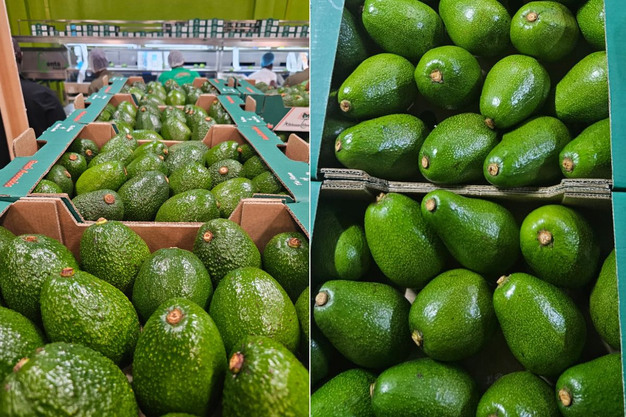
A fruit export business involves growing, sourcing, and shipping fruits to international markets. Unlike domestic sales, exporting requires understanding foreign market standards, compliance with regulations, and efficient logistics. Key fruits commonly exported include mangoes, bananas, pineapples, avocados, and berries.
Benefits of the Fruit Export Business
-
High-profit potential: Exporting fruits often generates higher revenue compared to local sales due to international demand.
-
Market diversification: Expanding to global markets reduces reliance on a single domestic market.
-
Seasonal advantage: Some countries import fruits that are out of season locally, creating year-round business opportunities.
-
Global recognition: Establishing an export brand enhances credibility and allows entry into premium markets.
How to Start a Fruit Export Business
Starting a fruit export business requires careful planning, investment, and compliance with international standards. Here’s a step-by-step approach:
1. Conduct Market Research
Before exporting, identify target markets for your fruits. Analyze consumer preferences, import regulations, tariffs, and competitors in each country. Popular markets for tropical fruits include Europe, North America, and the Middle East.
2. Source Quality Fruits
Quality is crucial in the fruit export business. Partner with reliable farmers or establish your own farms to ensure consistent supply. Consider organic and pesticide-free fruits, as many international buyers prefer high-quality, certified products.
3. Understand Export Regulations
Compliance with local and international regulations is mandatory. Familiarize yourself with:
-
Phytosanitary certificates
-
Food safety standards
-
Packaging and labeling requirements
-
Customs documentation
4. Establish Logistics and Supply Chain
Efficient logistics are critical in the fruit export business. Perishable goods require cold storage, refrigerated transport, and quick shipping methods to maintain freshness. Partner with experienced freight forwarders and exporters to streamline operations.
5. Create a Strong Brand
Branding differentiates your fruits in competitive international markets. Invest in professional packaging, consistent labeling, and a marketing strategy that highlights your product’s quality and origin.
Marketing Strategies for the Fruit Export Business
Marketing is a vital component for success in the fruit export business. Here are proven strategies to expand your reach:
Digital Marketing
-
Build a professional website showcasing your fruit products.
-
Use SEO to rank for keywords like fruit export business, fresh fruit exporters, and tropical fruit exports.
-
Leverage social media platforms to connect with buyers, promote your brand, and share customer testimonials.
Trade Shows and Exhibitions
Participate in international food and agriculture trade shows. These events provide networking opportunities, allow you to showcase your fruits, and secure bulk buyers.
Collaborate with Importers
Partner with wholesalers, distributors, and retailers in target markets. Long-term collaborations ensure consistent demand and reliable revenue streams.
Certifications and Quality Assurance
Obtaining certifications such as GlobalGAP, ISO 22000, or organic certification boosts credibility. Certified exporters are often preferred by international buyers, allowing access to premium markets.
Challenges in the Fruit Export Business
While the fruit export business is lucrative, it comes with challenges:
-
Perishability: Fruits are highly perishable, requiring efficient logistics and timely delivery.
-
Regulatory compliance: Each country has strict import rules that must be adhered to.
-
Currency fluctuations: International transactions are affected by changing exchange rates.
-
Competition: The market is competitive, especially for popular fruits like mangoes and bananas.
Tips for Success in Fruit Export
-
Focus on niche markets: Exotic or organic fruits often fetch higher prices.
-
Invest in cold chain technology: Proper storage and transport ensure quality.
-
Stay updated on market trends: Monitor demand, pricing, and regulations regularly.
-
Build relationships with buyers: Trust and reliability lead to repeat business.
Future Trends in the Fruit Export Business
The global fruit trade is evolving rapidly. Emerging trends include:
-
Increased demand for organic fruits: Health-conscious consumers are driving the growth of organic produce.
-
Technological integration: Digital tools like blockchain for traceability and AI for demand forecasting are gaining popularity.
-
Sustainable practices: Eco-friendly packaging and reduced carbon footprint in transport appeal to conscious consumers.
-
E-commerce expansion: Online B2B marketplaces are simplifying international trade and connecting exporters with global buyers.
Conclusion
The fruit export business offers immense potential for profit and growth. By understanding market demand, sourcing quality produce, ensuring compliance with regulations, and leveraging modern marketing strategies, you can establish a successful export enterprise. Whether you are a small-scale farmer or a large exporter, consistent quality, strategic planning, and strong branding are the keys to long-term success.
Starting a fruit export business today could position you for global recognition, increased revenue, and sustainable growth in the ever-expanding agricultural export market.