

Below is a fully SEO‑optimized ~2000‑word article focused on the keyword “farm to freight export solutions” — written for search engines and human readers.
Table of Contents
ToggleFarm to Freight Export Solutions: The Ultimate Guide for Agricultural Exporters
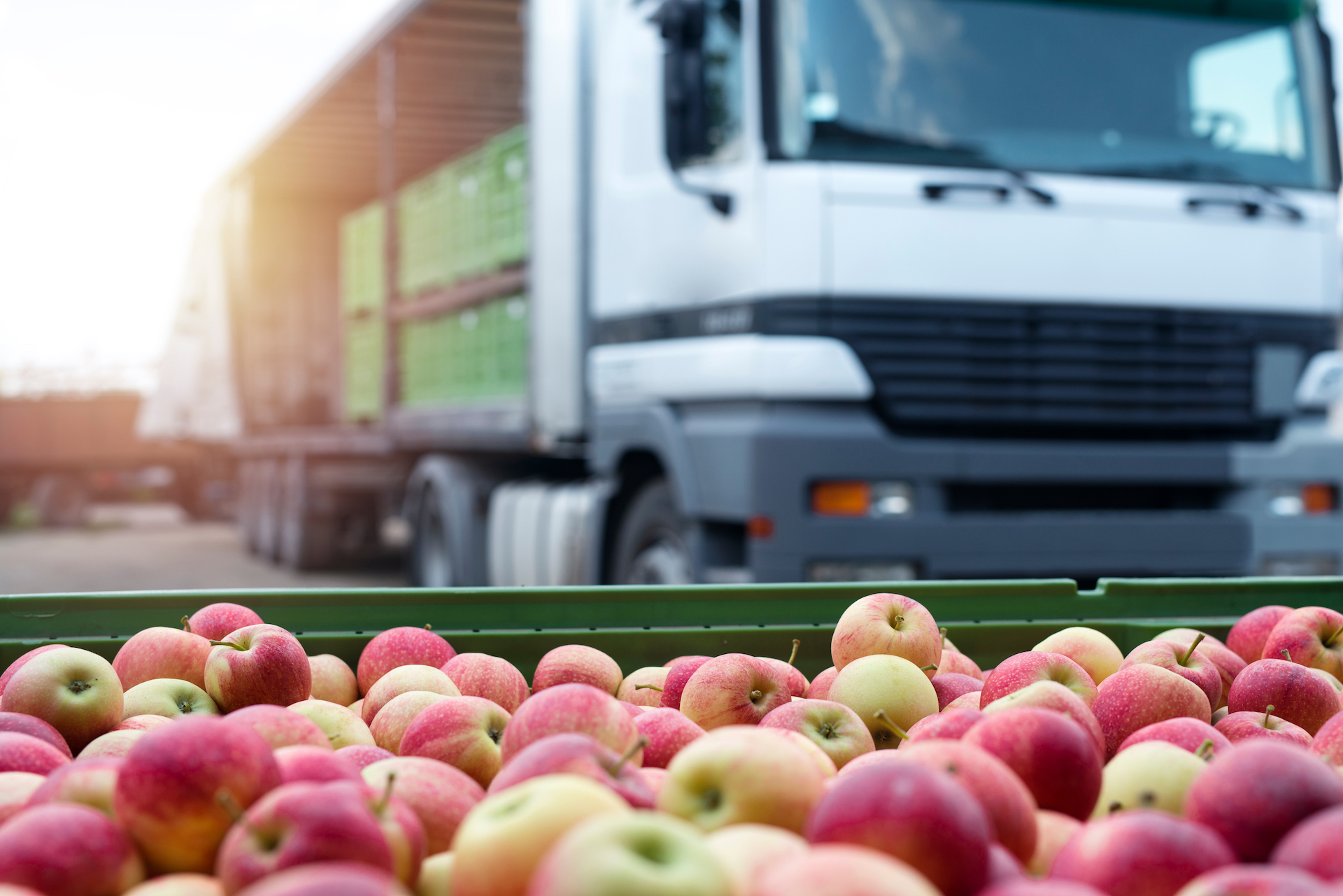
In today’s global economy, the agricultural export market is rapidly expanding. From fresh produce and grains to value‑added food products, exporters face complex challenges in moving goods from farms to international markets. That’s where farm to freight export solutions come in — an integrated approach that optimizes every step of the supply chain, reduces waste, ensures compliance, and maximizes profitability.
This comprehensive guide explains what farm to freight export solutions are, why they matter, how they work, and best practices you can implement to scale your export operations.
What Are Farm to Freight Export Solutions?
Farm to freight export solutions refer to the end‑to‑end logistics systems that manage the movement of agricultural products from farms or production facilities all the way to international buyers. This includes:
-
Harvesting coordination
-
Post‑harvest handling and processing
-
Packaging and quality assurance
-
Domestic transport to ports or airports
-
Customs clearance and export documentation
-
International freight (air/sea/land)
-
Delivery to final destination or distribution partner
The goal is to create a seamless, traceable, cost‑efficient export supply chain that meets global compliance standards and maintains product quality.
Why Farm to Freight Export Solutions Matter
1. Protect Product Quality
Agricultural goods are often perishable. Without the right logistics solutions, products can deteriorate before they reach overseas markets. Cold chain management, proper packaging, and timely transportation are vital to retain freshness and value.
2. Ensure Regulatory Compliance
Each country has export and import regulations. Compliance with standards like phytosanitary certificates, food safety certifications, and customs filings is essential to avoid delays and penalties.
3. Increase Profitability
Inefficient logistics equals lost revenue. Optimizing every step from farm to freight ensures lower costs, reduced waste, and better market pricing.
4. Build Global Market Competitiveness
Exporters with strong supply chain solutions can serve international buyers consistently, build trust, and expand into high‑value markets.
Key Components of Farm to Freight Export Solutions
To build an effective export chain, businesses must focus on these core areas:
1. Harvest Planning and Post‑Harvest Handling
Good export logistics begin at the farm.
-
Monitor crop readiness for ideal harvest times
-
Use controlled environments (coolers, shaded storage)
-
Sort and grade produce to meet target market standards
-
Apply best practices to prevent contamination and spoilage
These early steps shape the final export quality.
2. **Efficient Packaging and Labeling
Packaging isn’t just about boxes — it’s about preservation and compliance.
-
Use materials suitable for long transport
-
Optimize packaging to minimize weight and cost
-
Include clear labels with origin, handling instructions, and regulatory information
-
Apply traceability systems like barcodes or QR codes to improve transparency
Well‑designed packaging protects goods and enhances brand credibility.
3. **Cold Chain & Temperature Control
For fresh produce, dairy, seafood, and other temperature‑sensitive products, maintaining the cold chain is crucial.
-
Refrigerated trucks (reefer transport)
-
Cold storage facilities near farms and ports
-
Real‑time temperature monitoring systems
-
Contingency plans for equipment failures
Consistent temperature control reduces spoilage and elevates product quality at delivery.
4. **Transport Logistics: Road, Rail & Inland Solutions
Once products are ready for export, efficient domestic transport gets them to seaports or airports.
-
Road transport coordination
-
Rail freight options where feasible
-
Multimodal solutions (combining truck, rail, and cargo services)
-
GPS tracking for delivery visibility
Transport solutions tailored to different regions improve speed and cost efficiency.
5. **Export Documentation & Compliance
International shipping requires complex documentation:
-
Commercial invoices
-
Bills of lading
-
Certificates of origin
-
Phytosanitary certificates
-
Export permits
Experienced export logistics providers help prepare and verify all regulatory requirements, preventing costly hold‑ups.
6. **Freight Forwarding & International Shipping
Freight forwarding companies manage the actual export movement:
-
Booking cargo space on ships or planes
-
Consolidating small shipments (LCL)
-
Offering full container loads (FCL) for larger volumes
-
Managing freight insurance and risk mitigation
Freight service choice affects delivery time, cost, and reliability — key factors in maintaining strong buyer relationships.
7. **Tracking, Visibility & Technology Integration
Today’s best export solutions include advanced tech:
-
GPS tracking
-
IoT sensors for temperature and humidity
-
Cloud‑based dashboards
-
Automated alerts
Transparency builds buyer confidence and allows exporters to respond quickly to exceptions.
The Benefits of Optimized Farm to Freight Export Solutions
🔹 Improved Product Quality at Destination
Temperature control and careful handling mean products arrive fresh and compliant with import requirements.
🔹 Faster Export Cycle Times
Efficient planning and logistics reduce delays — saving money and preserving product integrity.
🔹 Reduced Costs and Waste
Optimized packaging, smart routing, and consolidated freight options cut unnecessary expenses.
🔹 Stronger Market Access
Reliable logistics opens doors to new buyers, regions, and premium pricing tiers.
🔹 Better Data and Decision‑Making
Tracking and reporting systems provide insights into performance, cost drivers, and bottlenecks.
How to Create a Farm to Freight Export Strategy
Step 1 — Analyze Your Products & Target Markets
Not all products are the same. Understand perishability, packaging needs, and market regulations.
Step 2 — Partner with Experts
Collaborate with logistics partners that specialize in agricultural exports — especially for cold‑chain freight and documentation.
Step 3 — Invest in Technology
Use logistics software for order management, tracking, and reporting. Real‑time visibility reduces surprises.
Step 4 — Optimize Packaging & Storage
Make sure packaging protects quality and meets destination requirements.
Step 5 — Monitor Compliance Standards
Stay updated on export/import regulations and align your documentation processes.
Choosing the Right Logistics Partner
Selecting a reliable partner is one of the most critical decisions you’ll make as an exporter. A competent logistics provider should offer:
✔ Extensive experience with agricultural exports
✔ Transparent tracking systems
✔ Comprehensive documentation support
✔ Multiple freight options (air, sea, road)
✔ Cold chain expertise
✔ Cost‑effective rate structures
Ask potential partners about:
📌 Their handling processes for perishable goods
📌 Customs compliance success rate
📌 Technology capabilities
📌 Network coverage in your target markets
Real‑World Use Cases
📍 Case 1: Fresh Produce Export
A farm cooperative wanted to export avocados to Europe. By integrating cold chain logistics, digital tracking, and fast ocean freight booking, the exporter reduced spoilage by 20% and increased customer satisfaction through improved delivery visibility.
📍 Case 2: Value‑Added Foods
A dried fruit producer needed compliance with strict North American food import laws. A freight partner handled paperwork, pre‑export inspections, and temperature‑controlled transport — enabling faster border clearance and repeat business.
Common Challenges & How to Solve Them
Challenge: Perishable Goods Spoilage
Solution: Cold chain integration + real‑time monitoring.
Challenge: Export Documentation Errors
Solution: Expert freight forwarder support + pre‑shipping checklists.
Challenge: High Freight Costs
Solution: Consolidate shipments, review modal options (air vs sea), and negotiate long‑term contracts.
Challenge: Lack of Tracking Transparency
Solution: Implement IoT sensors and logistics dashboards.
Trends in Farm to Freight Export Solutions
🚚 Smart Supply Chain Technologies
Automation, AI forecasting, and blockchain for traceability are accelerating export visibility.
🌍 Sustainability Focus
Shippers are optimizing routes and using eco‑friendly packaging to reduce carbon footprints.
🛃 Digitized Export Documentation
E‑customs platforms reduce delays and simplify compliance.
📦 Demand for Cold Chain Services
As global demand for fresh foods grows, refrigerated solutions become more mainstream.
Frequently Asked Questions (FAQ)
What is “farm to freight logistics”?
It’s the complete process of moving agricultural goods from production to export, including handling, documentation, freight booking, and delivery.
Why are farm to freight export solutions important?
They ensure quality, compliance, cost efficiency, and market access for global agricultural exports.
What industries benefit the most?
Fresh produce, dairy, meat, seafood, grains, and processed food producers all benefit greatly.
How long does an export cycle take?
It varies by product, destination, and transport mode — air freight vs sea freight timelines differ significantly.
Final Thoughts
In a competitive global marketplace, farm to freight export solutions are no longer optional — they’re essential. From preserving product quality to ensuring regulatory compliance, smart logistics strategies increase profitability, open new markets, and build stronger relationships with international buyers.
Whether you’re a small farmer or a large agribusiness, investing in an optimized export supply chain will future‑proof your operation and boost export performance.